

Souness calls for Man City titles to be stripped, but Liverpool cannot reclaim lost moments
For Liverpool, the difficult question is not simply whether another Premier League trophy could arrive years after the final whistle. It is what that trophy could ever replace.
Graeme Souness has put that dilemma at the centre of the debate surrounding Man City’s financial case. His argument is uncompromising: if the outcome goes against City, their honours should be questioned and a financial penalty would offer little meaningful punishment.
Yet even the possibility of retrospective recognition cannot recreate a title celebration, a player’s defining afternoon or the satisfaction of finishing a season as champions.
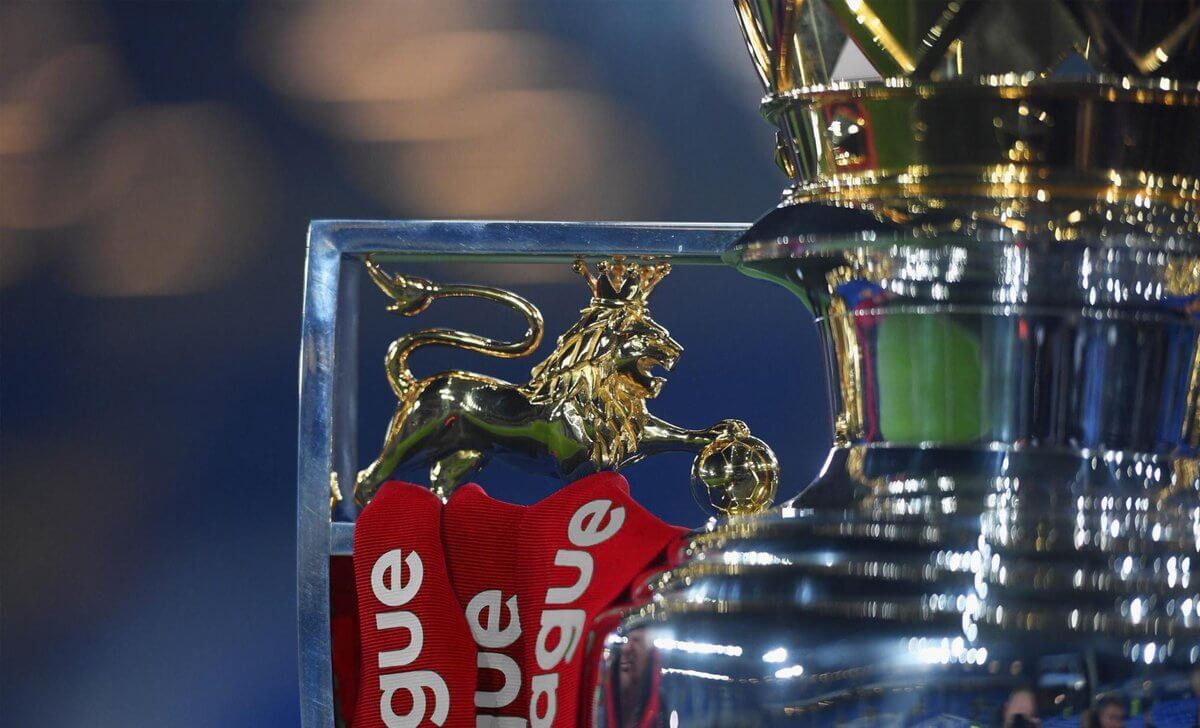
Souness delivers his verdict on Man City’s legacy
Speaking to We Are Track Radio in an interview shared on the broadcaster’s X account, Souness addressed both City’s reputation and the implications for Liverpool.
“The legacy is gone. If it goes the wrong way for them, they’ll be consigned to history as cheats, and whatever they did, whatever they won in that period, should not count,” he said.
“There’s an argument for Liverpool to have a couple of Premier Leagues given to them. For City to be stripped of whatever they’ve won in that period of time… money’s not an issue for them, so whatever fine they get is just a scratch on the surface.”
Those words frame the dispute as a question of sporting legitimacy. For Souness, punishment must reach beyond a balance sheet if it is to reflect the significance of any wrongdoing ultimately established.
His remarks are also conditional. That distinction matters when discussing a process whose final consequences remain unsettled.
Man City case requires clarity over reported findings
According to Associated Press reporting on 28 September, several outlets had reported that City were found guilty of almost all the charges. However, there had been no official announcement of the verdict, and sanctions remained undecided. City continued to maintain their innocence.
That leaves an essential distinction between reported findings and a settled outcome with confirmed punishment.
Suggestions that titles could be removed should therefore be presented as possible consequences, rather than decisions already made. Equally, Souness’s call for Liverpool to receive additional championships is his argument, not an announced Premier League policy.
The seriousness of the reporting does not remove the need for precision. Supporters deserve clarity about what has been reported, what has been confirmed and what remains unresolved.
Liverpool face questions that medals cannot answer
Liverpool’s interest reaches beyond the contents of a trophy cabinet. Under Jürgen Klopp, competing with City demanded extraordinary consistency and left precious little room for error.
That experience explains why this debate carries such emotional weight. A championship is lived across months: through anxious afternoons, late goals, away journeys and the gradual belief that something lasting is taking shape.
Revising a record book could acknowledge an injustice if the eventual findings and decisions warranted it. It could not give those seasons back to the people who played in them or watched them unfold.
There is also no automatic connection between removing one club’s honours and awarding them to another. Until the relevant decisions are published, Liverpool supporters cannot reasonably treat additional titles as guaranteed.
Premier League credibility depends on a convincing resolution
Souness’s broader challenge concerns what an effective sanction should achieve. His view that a fine would barely register for City raises a legitimate debate about deterrence, although the appropriate punishment must depend on the established findings.
For the Premier League, the task is to deliver a process and outcome that clubs and supporters can understand.
For Liverpool, any retrospective honour would carry an unavoidable complication. Recognition might change how a season is recorded, but it would arrive without the moments that normally make a championship feel complete.
That is why this argument cannot be reduced to counting trophies. Whatever happens next, the years themselves cannot be replayed.