
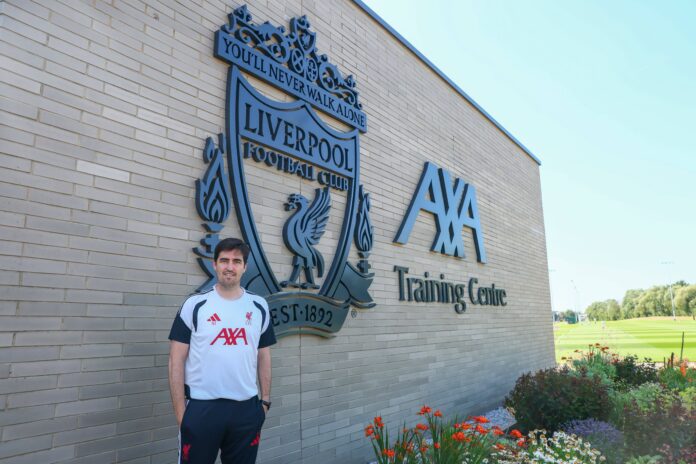

Summer friendlies are where top-tier football clubs like Liverpool quietly sort out their tactical flaws before the real matches kick off. For any side trying to compete at the very highest level across Europe, these matches are never truly about the final scoreline; they are purely about getting the internal mechanics right. Many fans spend a big part of their time searching for the latest news about their club, whether it be transfer rumours or other news. Behind the scenes, managers feel the heat as they try to twist simple training ground patterns into a sharp matchday reality. Finding that flexibility early on is what stops a squad from falling apart when opponents shift their setups mid-game.
Establishing Defensive Stability
No team challenges for silverware without a backline that can absorb a hit when possession turns over. The staff spends the summer glued to video clips and player tracking metrics, trying to calculate how far forward the defensive line can push without leaving the centre-backs completely stranded. Obviously, having Alisson standing between the sticks provides a massive insurance policy, but individual saves do not paper over structural cracks forever. The real puzzle is fixing the gap right ahead of the penalty box when the central midfielders go wandering up the pitch.
Midfield Configurations and Final Third Fluidity
Getting the central midfield dynamic wrong completely kills a team’s transition play into the attacking third. If the balance isn’t right there, the whole shape locks up and becomes incredibly predictable, which inevitably forces the front players to wander miles out of position just to get a touch of the ball. Large groups of Liverpool supporters spend hours debating which personnel combinations offer the best blend of defensive coverage and creative output in the final third. The technical staff utilizes real-time tracking data to evaluate how returning players adapt to specific passing patterns under pressure.
Maximizing the Data Advantage
These days, there’s almost no room for luck; it’s all about the sheer volume of data being crunched during even the simplest training drill. You’ve got sports scientists keeping a constant eye on physical workloads to ensure every player is at their absolute best when the whistle blows. Meanwhile, analysts are busy mapping out every pressing trigger, showing teams exactly how to squeeze an opposing defender into a mistake.
This mountain of intel completely changes how experts and bookmakers calculate football odds, since everything from squad fitness to tactical prep now dictates the outlook before a season even begins. Managers don’t really have to guess anymore; they have the stats they need to rotate players and adjust tactics on the fly.
Long-Term Consistency Framework
Sorting your framework out in July saves you from an absolute disaster when winter brings the usual heavy legs and hamstring pulls. If the fringe players actually understand the system, you can drop someone new into the side without the whole machine breaking down completely. Drilling those basics early creates an easier environment where a new signing or some academy kid can just get on with it. The clubs that handle their identity issues now won’t be forced into those panicked, desperate tactical resets that completely ruin a promising season.