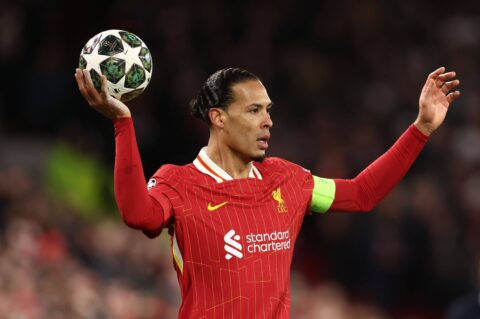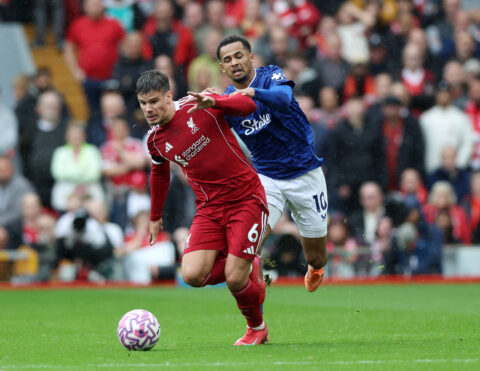






Society often views footballers as symbols of physical resilience, discipline, and immense strength, with their lives measured in endurance, speed, and recovery. However, a cancer diagnosis often breaks that illusion, plunging athletes into an off-field battle.
While most players quickly scale the physical battle through treatment, the psychological battle rages on silently. The emotional toll of these diagnoses often challenges their core identity, taking a toll on the individual and their support system. This article reviews the effects of cancer diagnosis on athletes and their families and explores some coping strategies that can help.
The Identity Crisis: From Athlete to Patient
Through years of training, many players have developed a mindset of control, performance, and overcoming physical limitations. However, when a cancer diagnosis comes, this solid foundation is significantly disrupted.
Moving from a strong competitor to a patient often creates a profound psychological shock. These athletes often struggle with anxiety and a loss of self as they are unable to handle their daily routines or meet athletic goals, which are forms of stress relief.
Managing cancer is far more complex than managing type 2 diabetes or other chronic diseases as a footballer. It often leaves diagnosed individuals with intense feelings of helplessness. Navigating this mental struggle usually needs an approach of confronting vulnerability that few athletes have been trained with.
The Ripple Effect on Families
When cancer shows up in the life of a footballer, the burden is never the individual’s alone. It affects all members of his inner circle, especially his family. Spouses, children, and parents immediately take on new roles as caregivers, struggling to balance their suppressed fears with their new responsibilities.
This sudden change can overwhelm loved ones as they try to remain solid pillars of support while battling physical and emotional exhaustion. With rare, aggressive conditions such as mesothelioma, the burdens intensify. These conditions often bring significant clinical and financial challenges.
Navigating these complex situations often requires reliable information and guidance. Families can benefit from dedicated support networks like MesotheliomaHope.com that provide specialized resources, practical insight, and emotional support during these difficult times.
Coping Strategies for the Long Run
For players to overcome the mental weight of a cancer diagnosis, they must redefine what strength truly means. Consider some practical strategies an athlete can use to redefine strength and adjust their mindset:
Embracing Vulnerability Over Aggression
While footballers are accustomed to the warrior mode that pushes through pain, coping with cancer requires another archetype. True emotional recovery requires allowing yourself to grieve the lost seasons, acknowledge fear, and rest without guilt.
Leveraging Specialized Support
Sports psychologists, psycho-oncologists, and peer support groups offer robust and tailored guidance. These professionals can help players and their loved ones process possible trauma and mental burdens.
Rebuilding Purpose Beyond Sport
You can rebuild your sense of purpose with a new daily routine. Focus on non-athletic activities, creative outlets, and personal connections to rebuild your identity and sense of control throughout treatment. This keeps you happy and grounded in the moment, not lost in thoughts and reminiscence.
Endnote
Treatment after a cancer diagnosis is not just a matter of physical treatment; your psychology also needs rehabilitation. To cope, footballers and their loved ones must embrace vulnerability, leverage support, and rebuild purpose beyond sport. This can help both parties navigate this tough time with unity and enduring grace.