






FIVE KEY TAKEAWAYS FROM DAVID LYNCH
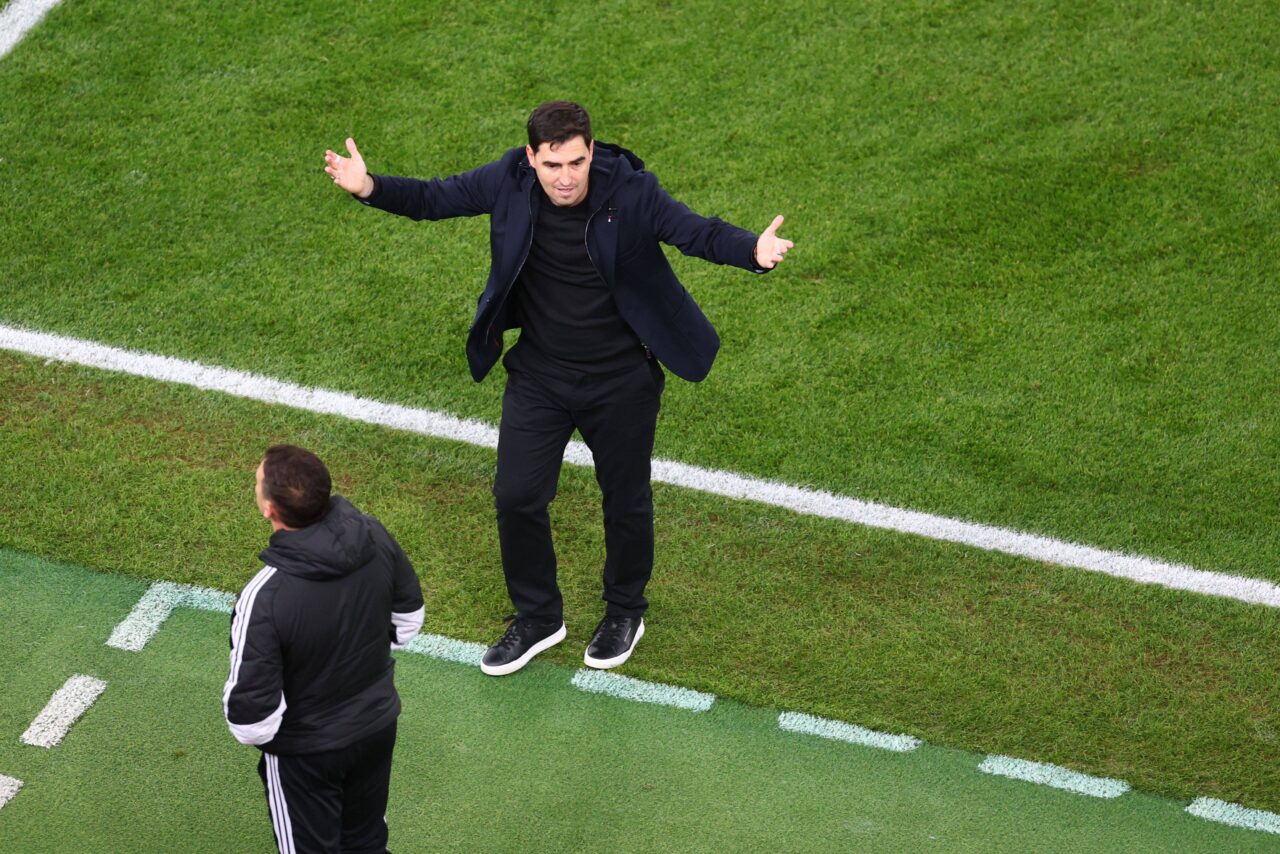
Liverpool’s defeat to Arsenal left Andoni Iraola with more to consider than a nine-point gap to the champions. There was encouragement in the performance, but also evidence of why his side remain a work in progress.
In his post-match analysis, David Lynch highlighted Liverpool’s attacking shortcomings, questioned the way the contest was refereed and explained why Trey Nyoni’s contribution deserved particular attention.
Arsenal had not delivered a footballing masterclass. They had, however, survived Liverpool’s strongest spell and found a way to win. Here are five key takeaways from Lynch’s assessment.
1. Nine-point gap changes Liverpool’s title outlook
The opportunity before kick-off was significant. Victory would have brought Liverpool within three points of Arsenal and added substance to the feeling that Iraola’s team were gathering momentum.
Instead, a 1–0 defeat stretched the deficit to nine.
“Nine points is a massive gap to a side like Arsenal,” Lynch said.
His concern extended beyond the standings. Liverpool are still developing under a new manager, which makes the consistency required to recover that ground difficult to envisage.
“Particularly when you think Liverpool, they’re undergoing a development under Iraola. There are going to be further bumps along the road, aren’t there?”
That does not mean there is little left to play for. Lynch suggested the season may now be more about securing Champions League qualification, exploring what is possible in Europe and preparing for a stronger domestic challenge next term.
Liverpool can become a better team over the coming months without necessarily becoming champions. The disappointment is that this defeat makes the distinction harder to ignore.
2. Liverpool’s attack remains the biggest area for improvement
Lynch did not see a match in which Arsenal demonstrated overwhelming superiority.
“It was an incredibly tight game,” he said, highlighting Liverpool’s 17 shots to Arsenal’s 10 and an expected-goals advantage of 1.15 to 0.96.
Those figures supported his view that a draw would have been a reasonable outcome. Another statistic exposed the limitation of Liverpool’s performance.
“Liverpool take zero shots on target today at Anfield.”
For Lynch, that was the clearest indication of where Iraola’s work must now concentrate.
“I think that shows you that the attack is exactly where Liverpool have got an awful lot of room to grow if they are to be a side that is up there challenging for the Premier League on a consistent basis.”
This was not simply a case of one forward having a poor afternoon. Liverpool had attacking options available, yet the changes failed to produce the necessary improvement.
“I think it shows for me that it’s a collective issue,” Lynch explained.
He also cited four goals from Liverpool’s opening five home league matches as evidence that the problem extends beyond Arsenal’s defensive quality.
The next step requires better relationships between the forwards, more precise movement and greater success in finding players inside compact defensive structures.
3. Liverpool let their strongest spell pass without reward
Arsenal controlled the opening exchanges and took the first four shots. Liverpool then found a way into the contest, with Lynch identifying a change in the press as the turning point.
“Suddenly got a foothold in the game and all of a sudden, not just a foothold, they were controlling Arsenal.”
Liverpool produced the next eight shots, generating the sort of pressure that has so often transformed big matches at Anfield.
The comparison with Jürgen Klopp’s strongest teams was obvious. The difference was what Liverpool achieved with that momentum.
“Liverpool always scored when they were on top, or it certainly felt like that,” Lynch said.
This time, Arsenal survived. Half-time gave the visitors an opportunity to reorganise and interrupt the pattern that had threatened to overwhelm them.
“They’ve weathered the storm. They get to come in, have a look at what they can change, how they can better manage Liverpool.”
Lynch felt Arsenal used that opportunity effectively. Liverpool, by contrast, failed to discover another route through.
Nine second-half shots produced no efforts on target, with Lynch citing just 0.66 expected goals during that period. Pressure had not become sufficient danger, and the chance to make Arsenal chase the game had disappeared.
4. Arsenal’s control of the game’s rhythm frustrated Liverpool
Lynch’s criticism of Andy Madley focused on the type of contest that developed.
“If he comes off and he thinks that Liverpool made 13 fouls to just four for Arsenal, does he really believe that that’s how this game played out?”
In his assessment, Arsenal were effective at drawing decisions and breaking up Liverpool’s momentum.
“It was very easy for Arsenal to buy free kicks and very difficult for Liverpool to do so.”
That mattered because the teams wanted different conditions. Liverpool needed turnovers and sustained pressure. Arsenal benefited from interruptions that allowed them to reset.
“Arsenal, they needed disruption, they needed it to be bitty, they needed it to be difficult for Liverpool to build any momentum in the game and get the crowd behind them.”
Lynch also questioned a shirt pull on Alexander Isak, saying it “looked a little bit of a penalty to me”. That was his assessment of the incident, rather than a confirmed refereeing error.
Crucially, he did not make the referee an excuse for everything.
“Liverpool absolutely have themselves to blame, I think, for the fact that they end up losing this game.”
The lesson is that Liverpool must threaten opponents even when the rhythm is uncomfortable. Arsenal managed those conditions more effectively.
5. Trey Nyoni’s passing makes him difficult to leave out
Nyoni was the individual Lynch most wanted to discuss.
Starting the teenager alongside Alexis Mac Allister represented a substantial show of faith from Iraola, even if recent performances justified the decision.
“It was a deserved call from the manager to put him in, but still a huge one.”
Lynch acknowledged shortcomings in the physical contests, citing one ground duel won from four. There were also early challenges that could have brought a booking.
With possession, however, Nyoni gave Liverpool something valuable.
“Fourteen line-breaking passes,” Lynch noted, alongside 11 passes into the final third.
The significance became clearer after his substitution.
“Liverpool’s ability to progress the ball into more dangerous areas just completely died.”
Lynch understood the decision to introduce Dominik Szoboszlai, but felt Liverpool lost an important means of playing through Arsenal.
“This is the special thing about Trey Nyoni, is he’s so, so good at progressing the ball.”
That leaves Iraola with a decision extending beyond the next team sheet. Nyoni is still developing physically, but his passing already addresses a need within this Liverpool side.
“Are we going to end the season with him in the team? It would not surprise me at all.”
On an afternoon defined by attacking frustration, that was a meaningful endorsement.