






Liverpool’s midfield transitions reveal Andoni Iraola’s strongest attacking weapon
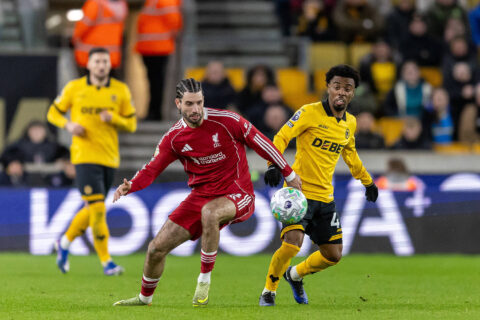
Liverpool are becoming particularly dangerous in the seconds after winning possession in midfield, with Andoni Iraola’s approach producing some striking early numbers.
The familiar image is of attackers accelerating into space before opponents can recover. What distinguishes this Liverpool side is where those moves begin and how quickly they become shooting opportunities.
Ahmed Walid’s analysis for The Athletic identifies midfield transitions as Liverpool’s most effective attacking tool this season. After 11 Premier League matches, the figures suggest Iraola has already established a clear strength, even while other aspects of his team remain under development.
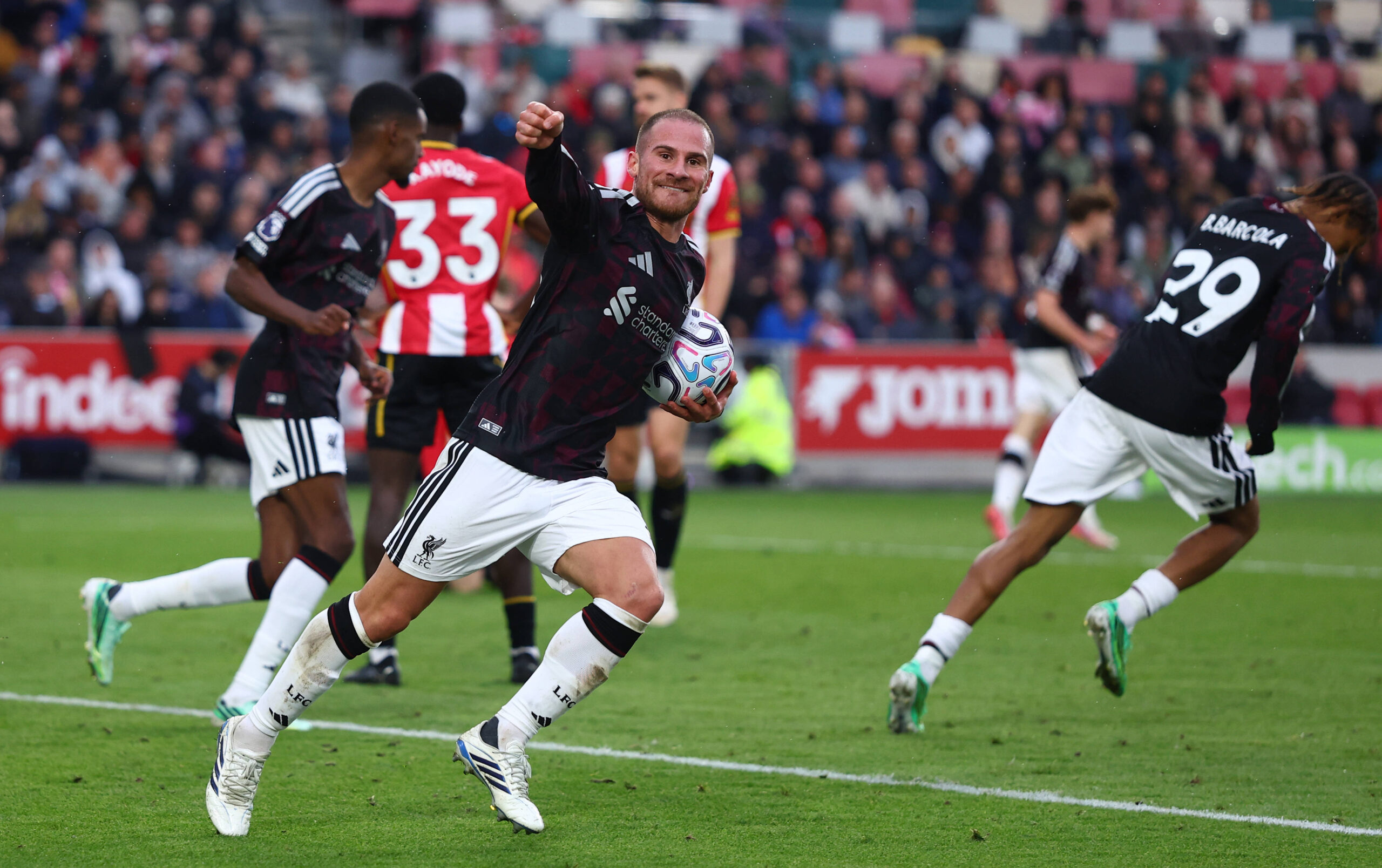
Photo: IMAGO
Midfield regains give Liverpool a rapid route forward
Not every quick attack is the same.
A conventional counter-attack typically begins deeper, with a team escaping its own half and exploiting the space left by opponents. Liverpool average four direct attacks per 90 minutes this season, broadly comparable with previous sides under Jürgen Klopp and Arne Slot.
Walid’s analysis isolates a different category: possessions beginning in the middle third that produce a shot or reach the level of the opposition penalty area within seven seconds.
Liverpool average 2.5 of these midfield transitions per 90 minutes. Among their seasons since 2018-19, only Klopp’s 2023-24 side recorded a higher figure, at 2.6.
That suggests the speed supporters are seeing has a measurable foundation. Liverpool are regularly turning a midfield challenge or interception into an immediate opportunity to attack an unsettled defence.
Shot creation sets Iraola’s side apart
The more revealing measure concerns what Liverpool do with the possession they recover.
Across their opening 11 league matches, 7.9 per cent of midfield regains became quick transitions under the definition used in the analysis. That placed them joint-top of the Premier League alongside Brighton.
The figure helps account for changes in the wider competition. More midfield duels can naturally create more opportunities to break, so looking at the proportion of regains used this way gives a clearer indication of attacking intent.
Liverpool stand alone when the measure is narrowed to moves producing a shot within seven seconds.
They have converted 5.1 per cent of their midfield regains into those shooting sequences, the highest rate in the Premier League this season. It is also the highest figure in the league-wide comparison stretching back to 2018-19.
These are early-season numbers, but they identify something Liverpool are doing exceptionally well: recognising and exploiting the brief period before a defence reorganises.
Attacking profiles suit quick changes of possession
Liverpool have several players equipped to make those moments count.
Bradley Barcola, Victor Munoz and Rio Ngumoha can carry possession at speed. Cody Gakpo offers another outlet, while Florian Wirtz and Alexander Isak can help turn an opening into a decisive pass or finish.
The approach also depends on work behind them. Walid highlights Alexis Mac Allister’s midfield influence, alongside the ability of Virgil van Dijk and Jérémy Jacquet to defend the spaces that an open contest can create.
Isak’s opening goal against Ipswich provided a clear example. Milos Kerkez recovered the ball in midfield, Gakpo drove forward and the striker controlled the resulting pass before scoring.
The move did not require a prolonged spell of possession. Liverpool recognised that the opportunity existed immediately and acted before Ipswich could close it down.
Deep defences remain the next challenge
Liverpool’s effectiveness in transition does not mean their attacking development is complete.
These situations offer space precisely because opponents are temporarily disorganised. A team already defending close to its own goal presents a different problem, with fewer gaps available for runners.
Walid identifies finding more reliable solutions against those deep defensive structures as the next stage of Iraola’s work.
Liverpool also have further progress to make without the ball. The analysis argues that they have not yet reached the defensive standards of Iraola’s Bournemouth, while the manager is adapting his methods to a team that spends more time in possession.
The encouragement is that Liverpool already possess a productive attacking method while that work continues. Their midfield regains are becoming chances at an unusually high rate.
Adding greater control and more invention against settled opponents would make them less dependent on those moments and considerably harder to contain.