

Liverpool 4-3 Villarreal: Andoni Iraola Dissects Champions League Fightback
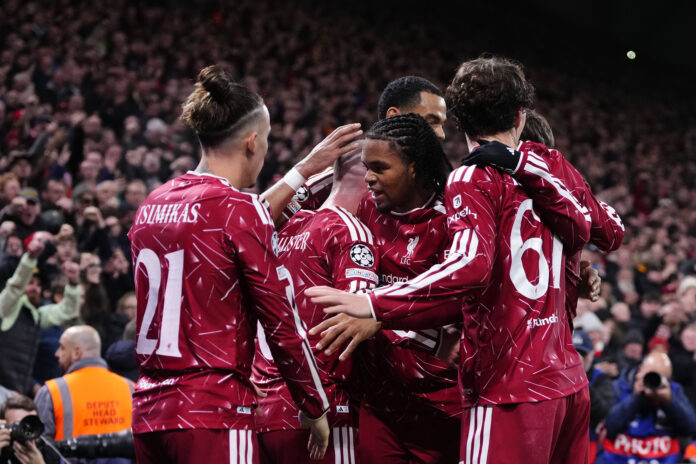
Liverpool made it three wins from three in the Champions League league phase after a thrilling 4-3 victory over Villarreal at Anfield, recovering from a two-goal deficit to seize control before surviving a late scare.
For long spells, this was a game of sharp swings in momentum. Villarreal were excellent early on and exposed Liverpool’s shape, racing into a 2-0 lead through Georges Mikautadze and Sergi Cardona inside the opening half-hour. Yet by the interval the contest had been turned on its head emotionally, with Alexis Mac Allister and Ronald Araujo both scoring headers to bring Liverpool level.
The second half then belonged largely to the home side. Liverpool raised the tempo, pressed with far greater conviction and forced Villarreal deeper and deeper. That pressure eventually told when Mac Allister struck again before Florian Wirtz added another just three minutes later. Tani Oluwaseyi’s late goal ensured an anxious finish, but Liverpool had already done enough.
After the match, Andoni Iraola gave a detailed explanation of how the game changed, why his side struggled early on and which tactical decisions helped produce another major European result.
Iraola Pinpoints Slow Start and Strong Response
The Liverpool head coach made clear he had little interest in dressing up the opening stages. His side, in his view, began too passively and paid for it against an opponent he regards as one of the strongest possession teams in Spain.
Villarreal’s midfield structure caused immediate problems. They found space centrally, overloaded Liverpool between the lines and made it difficult for the home side to regain the ball cleanly. Iraola felt it took his team too long to strike the right balance, both with and without possession, and by then they were already 2-0 down.
What followed, though, underlined the resilience in this Liverpool side. Rather than panic, they played their way back into the match. Mac Allister’s influence grew, Trey Nyoni helped settle the structure and Liverpool regained enough territorial control to swing momentum before half-time. The equalising goals came from headers, but they were rooted in a wider shift, more authority in midfield, better spacing and a greater sense of urgency.
Iraola’s assessment was that once Liverpool felt the pressure of the scoreline, they released the handbrake. From that point, the intensity changed and so did the match.
Tactical Changes That Turned Liverpool v Villarreal
One of the key decisions arrived at the break. Ronald Araujo was withdrawn, Florian Wirtz was introduced and Ryan Gravenberch was moved to right-back in a tweak that addressed Liverpool’s issues against Villarreal’s inside movements.
Araujo had found it uncomfortable having to track runners and deal with the constant rotations in central areas. Gravenberch, by contrast, offered a more natural blend of mobility and composure for the specific demands of the role. Iraola believed the Dutchman could defend narrower spaces, hold up in one-against-one situations on the outside and also improve Liverpool’s attacking support on the right flank.
That proved significant. Liverpool became more connected, more aggressive in the press and far more effective at pinning Villarreal back. Iraola’s reading of the game was that against opponents of this technical quality, a half-press is rarely enough. He felt Liverpool needed to go fully man-for-man in spirit, increase the risk and attack duels with much greater force.
In the second half, they did exactly that. The rhythm of the game shifted towards Liverpool, and Villarreal struggled to cope physically with the pressure. It was not simply that the home side had more of the ball, it was that they imposed themselves in the decisive zones and repeatedly won second balls, transitions and direct duels.
Alexis Mac Allister and Rio Ngumoha Shape Comeback
Mac Allister was at the heart of the turnaround. His two goals were decisive, but Iraola’s praise extended well beyond the finish. He highlighted the midfielder’s calm, leadership and intelligence when Liverpool were under pressure, pointing to his role in helping the side regain structure and control.
Operating in a more advanced function alongside Nyoni at times, Mac Allister showed why he remains such an important figure in this team. Iraola noted his timing into the box, his threat in the air despite not being the tallest and his experience in moments when games threaten to slip away.
There was also encouragement in the performance of Rio Ngumoha. The 18-year-old had a demanding evening, particularly with the defensive work required against Villarreal’s adventurous left side, but he still found moments to hurt the visitors. His assist for one of Mac Allister’s goals was a standout contribution, and his ability to create danger in one-against-one situations offered Liverpool a different edge.
Iraola appears convinced by Ngumoha’s mentality as much as his talent. The youngster has been used on both flanks recently and is growing in confidence, while also expanding his game in smaller technical areas. There is an acceptance internally that development will not be linear, but the signs remain highly promising.
Squad Management and Champions League Momentum
Iraola also explained his pre-match selection decisions, particularly the choice to leave Florian Wirtz, Bradley Barcola and Alexander Isak on the bench at kick-off. In Isak’s case, caution was essential given a recent muscle issue. With Wirtz and Barcola, the concern was load management after a demanding schedule, with this fixture coming after a physically taxing outing against Brentford.
Those calls reflected the broader challenge Liverpool are managing this season, balancing domestic demands with a packed European calendar. Yet the strength of the squad was evident once the bench was used. Wirtz made a major impact, while the team’s energy levels improved markedly after the interval.
There was also a wider point in Iraola’s post-match analysis about Liverpool’s scoring record. Their output in the Champions League has surged, with 12 goals in three matches, while their Premier League return has been lower. His feeling was that the explanation lies more in the nature of the opposition and the types of games being played than in any clear divide between competitions.
On this evidence, Liverpool’s attacking ceiling in Europe remains extremely high. They can score in bursts, punish teams when momentum swings and overwhelm opponents with pressure. This result also showed something else, the capacity to recover from a poor opening and still produce a high-level performance.
For Iraola, the value of the win was obvious. Villarreal had tested Liverpool seriously, especially in the first half-hour, and the contest remained live until the closing stages. But by adapting quickly, increasing the aggression of the press and leaning on the quality of players such as Mac Allister and Wirtz, Liverpool found a way through.
At Anfield, it finished Liverpool 4-3 Villarreal, another European night defined by pressure, recovery and decisive attacking quality.