
Liverpool Do Not Sack Managers Easily – But Pressure Around Arne Slot Is Growing
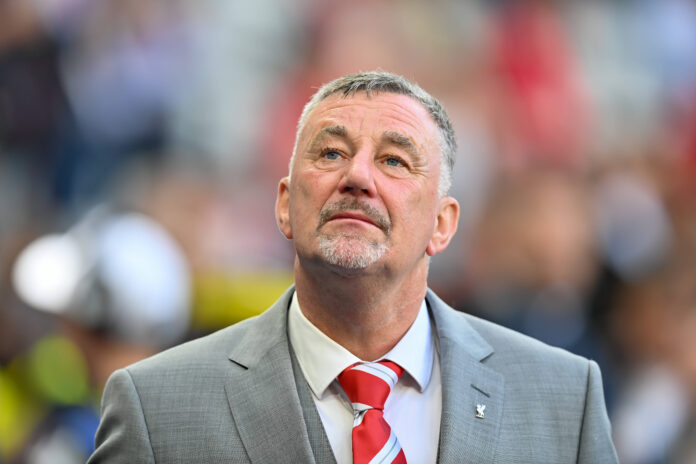
Liverpool have long prided themselves on stability in the dugout, a club identity built on patience rather than panic. Yet as the Premier League season grinds on, questions are beginning to surface around Arne Slot, even within a culture that resists managerial upheaval. That tension sits at the heart of a recent column by John Aldridge, published via the Liverpool Echo, which reflects a growing unease despite outward loyalty from the club’s hierarchy.
Slot’s Liverpool remain competitive, unbeaten across a recent run, and still firmly in the hunt for Champions League qualification. On paper, that is progress. On the pitch, however, performances have often failed to convince. Draws against Leeds United and Fulham have exposed recurring patterns: promising control, followed by deep defensive retreats and moments of costly passivity. It is this contrast between results and process that Aldridge highlights as the real concern.
The former Liverpool striker is clear that the club’s default position remains one of trust. Liverpool do not cycle through managers at the first sign of difficulty, nor do they chase short-term fixes. That principle has defined their modern era. But Aldridge also acknowledges an uncomfortable truth: football ultimately judges outcomes, and even patience has limits.
Slot’s Liverpool Still Searching for Authority
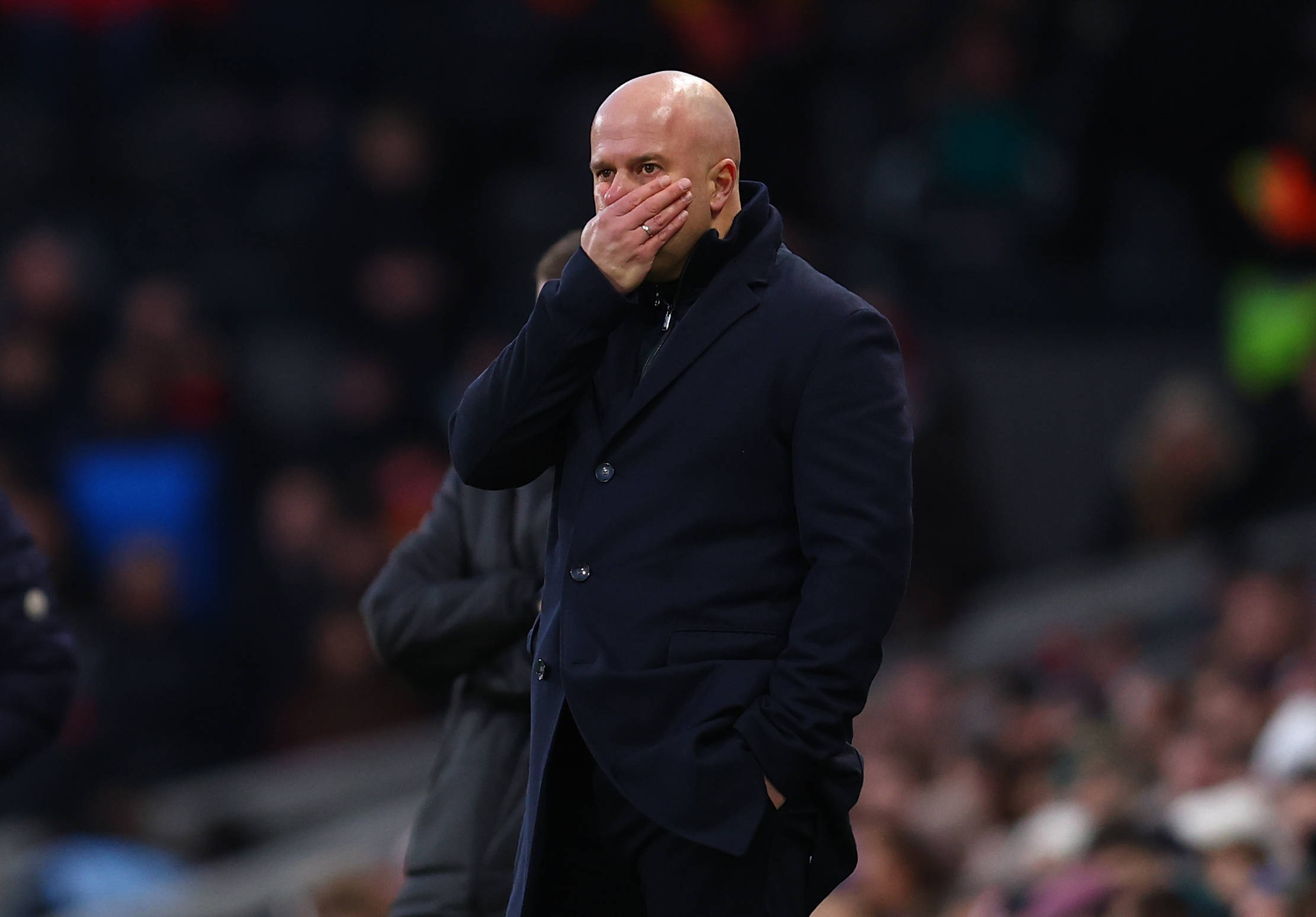
Slot inherited a side shaped by transition, and the early months of his reign have reflected that reality. Structural changes over the summer, combined with injuries and absences, have left Liverpool functioning without consistent rhythm. Aldridge points out that while Slot’s in-game decisions are often logical, the collective execution has not always followed.
Against Fulham, Liverpool retreated too deeply after taking the lead, inviting pressure rather than asserting dominance. That pattern, repeated across multiple fixtures, has turned winning positions into dropped points. Aldridge argues this is not about individual errors, but about an ingrained tendency to protect rather than impose.
Slot’s approach is methodical and considered, yet the Premier League rarely rewards caution. For a Liverpool side accustomed to territorial control, the lack of sustained intensity has become increasingly noticeable.
John Aldridge’s Warning Carries Weight
When John Aldridge speaks on Liverpool, his words resonate beyond nostalgia. His assessment is not reactionary, nor does it call for immediate change. Instead, it offers a warning rooted in experience. Aldridge accepts that Liverpool’s owners have shown faith in Slot and suggests that last season’s success bought him valuable time.
However, he also notes that external pressures are shifting. Rivals have already acted decisively, with managerial changes made in pursuit of top-four security. In that context, Liverpool cannot afford to drift. Stability only works when paired with progress.
Aldridge’s concern is not that Slot lacks ideas, but that those ideas are not translating quickly enough into clear, repeatable performances. The margin for error is shrinking.
Performance Levels Under Increasing Scrutiny
Despite an unbeaten run, Liverpool’s recent matches have felt like narrow escapes rather than statements of intent. Aldridge highlights that while results have kept Liverpool competitive, underlying trends suggest stagnation. Games are often described as a grind, lacking tempo and unpredictability.
Supporters have voiced similar frustrations, questioning the balance between structure and spontaneity. Slot’s system demands precision, but without aggression it risks becoming predictable. Aldridge suggests that unless something shifts, this pattern will persist.
That does not mean wholesale change is imminent. Liverpool remain aligned with Slot’s long-term vision. Yet the Premier League rarely pauses for development cycles, and the coming weeks may define how much patience remains.
Liverpool’s Identity and the Road Ahead
Liverpool’s refusal to sack managers lightly is not a weakness; it is a defining strength. Aldridge makes that clear. Comparisons with rival clubs serve as a reminder of what Liverpool are not. But tradition alone cannot shield a manager indefinitely.
Slot understands the expectations that come with the role. He also understands the club’s history. Delivering Champions League qualification may prove decisive, but so too will the manner in which Liverpool play. Progress must be visible, not merely measurable.
As Aldridge concludes, Liverpool are not a club that panics, but nor are they immune to reality. Faith remains, for now. Whether it endures will depend on whether Slot can turn cautious control into commanding authority.