
Martinelli, Bradley and a Liverpool Draw That Exposed Something Deeper
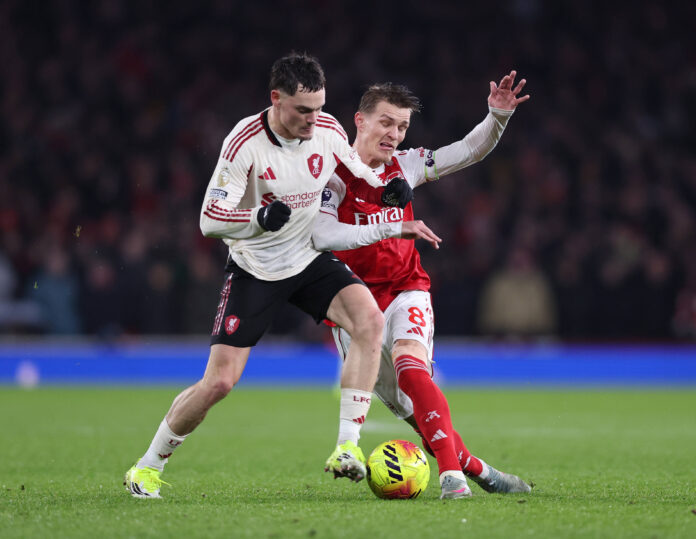
A 0–0 draw away at Arsenal should, on paper, register as a decent result. A clean sheet, control for long spells, tactical discipline against one of the league’s deepest squads. Yet this particular stalemate carried a different emotional weight. It left Liverpool not merely frustrated, but unsettled.
Speaking on the post-match raw from Anfield Index, the reaction was less about the scoreline and more about what unfolded around one pivotal moment involving Gabriel Martinelli and Conor Bradley — an incident that seemed to strip the evening of its tactical calm and expose something rawer underneath. As discussed on the Anfield Index post-match show, the match became a prism through which wider questions about character, togetherness and edge were sharply refracted.
First-Half Control and Second-Half Authority
Liverpool’s approach was clear. Sit deep early, deny Arsenal their two most reliable routes to goal — moments of individual brilliance and set pieces — and then grow into the contest. Dave Hendrick described it as a plan that worked almost exactly as designed.
“I actually thought the tactical setup was spot on,” he said. “We limited their set pieces, doubled up where we needed to, and they didn’t get a corner until stoppage time.”
That discipline bred confidence. After a scrappy opening, Liverpool began to dominate possession in the second half, circulating the ball calmly and pushing Arsenal backwards. “Second half, we dominated territory and possession exactly where we wanted,” Hendrick added. “They didn’t have any real opportunities.”
Trev Denny echoed that sense of quiet authority. “I was proud of the team tactically,” he said. “We went to their ground and took control of the game.”
And yet, control without incision carries its own frustration. Liverpool’s shape often left a glaring absence in the penalty area. “We had all the ball,” Denny noted, “but nothing to aim at — a huge empty chasm in front of us.”
Martinelli, Bradley and a Moment That Changed Everything
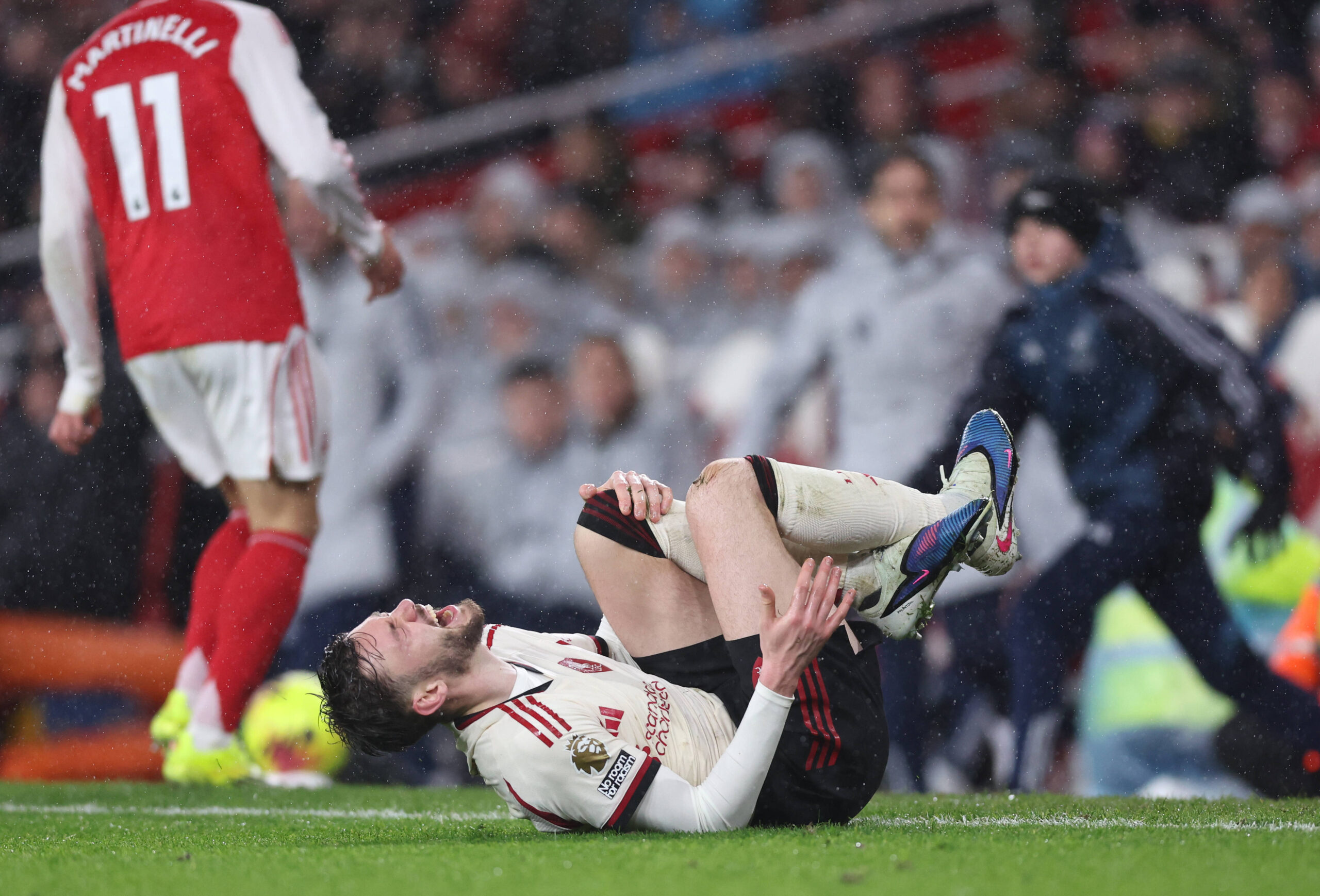
Late in the game, with Conor Bradley injured and being treated on the pitch, Gabriel Martinelli’s actions triggered fury among the Liverpool contingent — on the pitch and in the stands, but especially among those watching from afar.
“I’ve gone full outrage mode by the end of that game,” Denny admitted. “Someone shoved an injured lad being stretched off, and nobody went to war for him. That is not acceptable.”
The incident cut deeper than a single flashpoint. For Denny, it symbolised a broader unease. “That moment speaks to a greater malaise,” he said. “Something intangible that’s been wrong all season. There isn’t the same togetherness in this group.”
Hendrick was even more forthright. “That incident should have resulted in one of our lads taking a red card,” he argued. “Even Gary Neville said it — someone has to step in and make a point.”
“There are moments in football where the game stops being about tactics,” he continued. “Someone should have dealt with it immediately.”
Character Questions Beyond the Result
Jim Boardman took a more reflective view, acknowledging both the performance and the lingering disappointment. “Liverpool have always had this habit of raising their level against elite opposition,” he said. “Tonight was another example of that.”
But the frustration, he argued, lies in the contrast. “If you look back, we’ve taken four points off them,” Boardman noted. “It’s the other games that kill us.”
Still, there were signs of something rebuilding. “The passing tonight was sharp for long spells,” he said. “There was more looking after each other, even if the big moment let us down.”
Denny, though, could not shake the comparison with past Liverpool sides. “Rewind a few years and that doesn’t happen,” he said. “Someone puts their stamp on the game, sometimes literally.”
Pride, Penalties and Perspective
Hendrick insisted that Liverpool were not merely competitive, but unfortunate. “There were two blatant penalties for us,” he said. “If we get one of those, we’re calling this our second-best performance of the season.”
Boardman agreed that context matters. “You can come away proud of the performance,” he said, “even with the frustrations.”
Yet pride and progress do not always travel together. This was a night that offered reassurance about Liverpool’s tactical structure and resilience, while simultaneously raising uncomfortable questions about edge, authority and response.
A goalless draw may fade quickly from the table, but moments like the Martinelli–Bradley incident linger longer. They invite reflection not just on what Liverpool are doing well, but on what they might still be missing.