
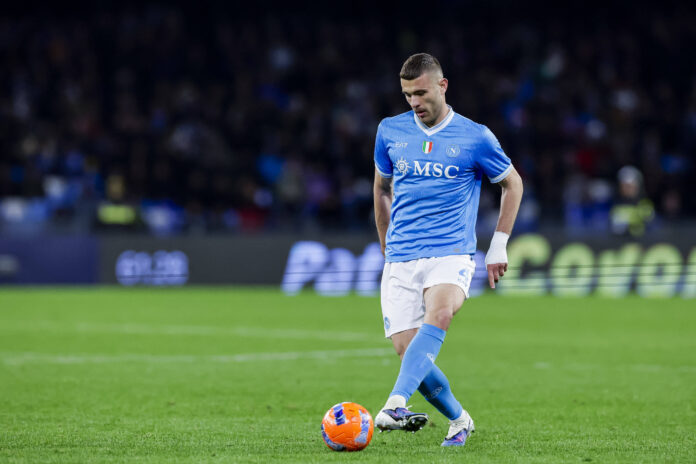

Alessandro Buongiorno, Chiesa and Napoli: A Transfer Idea That Speaks to Modern Football
Italian football has a habit of circling back on itself. Players leave, return, and leave again, driven as much by timing and context as by talent. In that sense, the growing conversation linking Alessandro Buongiorno, Federico Chiesa and Napoli feels less like idle transfer gossip and more like a reflection of how carefully balanced the modern game has become.
LiverpoolWorld have floated the idea of Napoli’s interest in Chiesa opening the door to a broader discussion involving Buongiorno. It is not a deal on the table, but it is an idea worth interrogating, because it touches on squad planning, contract realities and the subtle trade-offs elite clubs increasingly have to make.
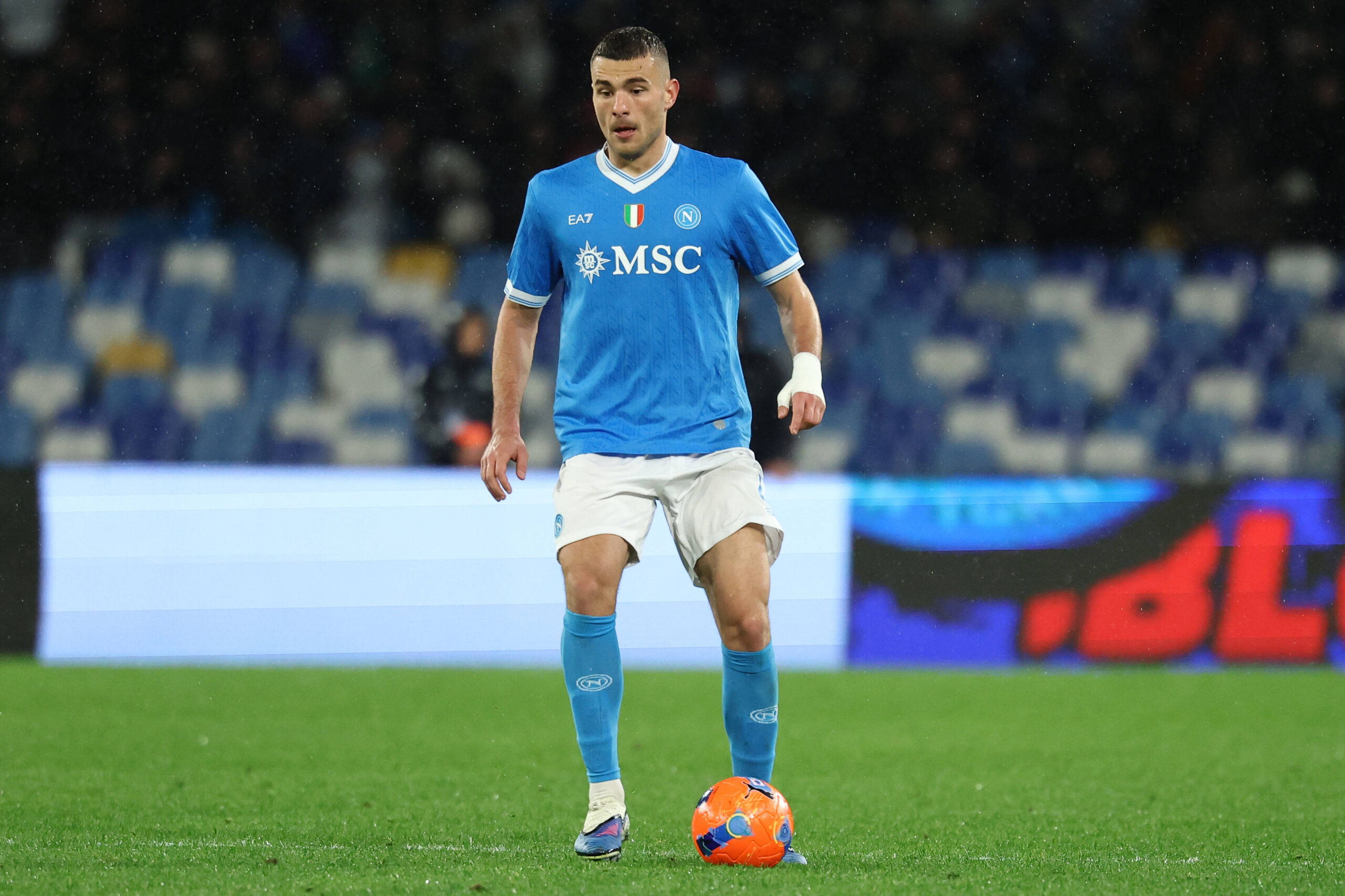
Napoli interest in Chiesa reshapes the conversation
Chiesa’s situation has become one of quiet uncertainty rather than outright crisis. A player of undeniable pedigree, he has found rhythm hard to come by and minutes even harder. Injuries earlier in his career altered his trajectory, and while his talent remains intact, football rarely waits patiently.
Napoli’s interest makes sense on several levels. A return to Serie A offers familiarity, tactical comfort and a league that understands his strengths. For Napoli, Chiesa represents proven quality rather than potential, a forward capable of deciding matches and coping with pressure. For the player, it is a chance to recalibrate his career without stepping down in ambition.
This is where discussions naturally broaden. High-level clubs seldom operate in isolation when assessing transfers. One enquiry triggers another, and names begin to circulate not as firm targets but as logical counterweights.
Alessandro Buongiorno as strategic counterbalance
Buongiorno’s rise has been quieter but no less impressive. From his formative years at Torino to his emergence as a dependable, modern centre-back, his development has followed a steady upward curve. At Napoli, he has slotted into a side built to compete domestically and in Europe, contributing to title success and underlining his value.
At 26, Buongiorno sits in that prized bracket: experienced enough to be trusted, young enough to improve. His comfort on the ball and positional intelligence align neatly with contemporary demands placed on central defenders. He is not merely a stopper but a facilitator, someone who can help shape possession from deep.
It is little surprise that his name emerges in speculative conversations. When clubs look to balance outgoing attacking talent, they often seek defensive stability in return. Buongiorno fits that profile not as a like-for-like exchange, but as a piece that addresses a different need.
Why Napoli would hesitate despite logic
Despite the theoretical neatness of any discussion involving Alessandro Buongiorno, Chiesa and Napoli, resistance is inevitable. Napoli are under no pressure to sell Buongiorno. His contract runs comfortably into the future, and his importance within the squad is clear.
From Napoli’s perspective, losing a cornerstone defender to facilitate an attacking addition elsewhere would only make sense if the balance of the deal overwhelmingly favoured them. Defensive continuity matters, particularly for clubs looking to sustain success rather than enjoy it briefly.
That reality is what keeps this story grounded. It is an idea shaped by logic rather than likelihood, a conversation starter rather than a developing negotiation.
Modern transfer logic beyond simple swaps
What makes this discussion compelling is not whether it will happen, but what it reveals about modern transfer thinking. Clubs are increasingly forced to think in layers. Contracts, age profiles, tactical fit and financial sustainability all matter as much as raw ability.
Chiesa’s potential return to Italy highlights how careers can plateau without the right context. Buongiorno’s rise illustrates the value of patience and continuity. Napoli sit at the centre of both narratives, weighing ambition against stability.
For now, Alessandro Buongiorno remains a central figure in Napoli’s plans, and Chiesa’s future is unresolved. Whether their paths intersect in a more concrete way remains uncertain. What is clear is that their names belong in the same conversation, not because of inevitability, but because modern football increasingly demands that every move makes sense on multiple levels.