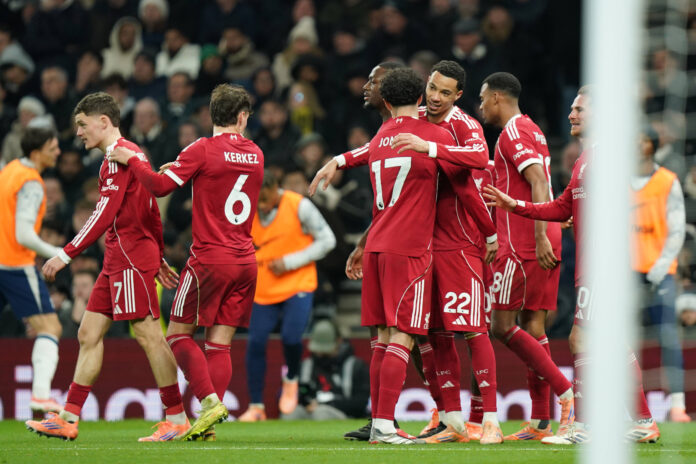

Recent results often trigger emotional reactions. A win sparks optimism. A draw raises questions. A defeat fuels concern. Yet results rarely tell the full story on their own. When viewed across several weeks rather than single matches, they reveal patterns that point toward tactical change rather than simple fluctuations in form. Liverpool’s recent run offers a clear example of this dynamic.
Early in the season, many discussions around Liverpool focused on outcomes rather than performance. However, when observers step back and assess the broader picture, the results highlight a side gradually reshaping how it controls games. This shift has not appeared overnight, nor has it followed a straight line. It reflects adjustment, experimentation, and refinement.
Interestingly, discussions around football analysis increasingly share space online with unrelated topics, from culture to leisure. That mix explains why readers sometimes encounter references far outside football itself, such as casual mentions of platforms like rolldorado casino within broader digital conversations. Football analysis no longer exists in isolation, and neither do the habits of modern fans.
Moving Beyond the High-Intensity Blueprint
For several seasons, Liverpool relied heavily on pace, pressing, and rapid transitions. That model delivered success, but it demanded physical consistency and precise coordination. Recent results suggest a gradual shift away from relentless pressure toward a more controlled approach.
Liverpool still press. They still run. What has changed is how often and where those actions occur. Instead of sustained waves of pressure, the team now selects moments with greater care. This change appears clearly in matches where Liverpool allow longer spells of possession to opponents without appearing stretched.
This adjustment does not signal caution. It reflects an attempt to manage energy and shape across ninety minutes. Results from tightly contested fixtures show Liverpool conceding fewer clear chances even when they control the ball less frequently.
Defensive Shape Over Defensive Volume
One of the clearest messages from recent results involves defensive structure. Liverpool no longer rely on constant defensive interventions to maintain stability. Instead, they prioritise spacing, positioning, and timing.
Rather than chasing the ball aggressively in every phase, players hold compact lines and block central routes. This approach reduces exposure during transitions, an area that previously caused issues against well-organised opponents.
Match data supports this shift:
| Aspect | Earlier Seasons | Recent Matches |
| High turnovers | Frequent | Selective |
| Central compactness | Inconsistent | More stable |
| Defensive transitions | Risk-prone | More controlled |
The results show fewer chaotic defensive moments, even when Liverpool face teams that attempt quick counterattacks.
Midfield Roles Tell the Story
Tactical evolution often appears most clearly in midfield. Liverpool’s recent matches show players operating with clearer role separation rather than interchangeable movement.
Midfielders now balance three key responsibilities:
- Supporting controlled buildup from deeper areas
- Blocking passing lanes rather than chasing aggressively
- Arriving late into attacking spaces instead of starting there
This structure allows Liverpool to progress the ball with fewer risks while still creating attacking pressure. It also explains why some matches appear slower in tempo without losing effectiveness.
The results reflect this balance. Liverpool no longer dominate purely through speed. They dominate by deciding when to accelerate play.
Possession With Purpose
Possession figures alone rarely explain success, but Liverpool’s recent results show an improved relationship between possession and control. Instead of circulating the ball quickly at all times, the team uses shorter phases to draw opponents out of shape.
This approach reduces wasted passes and lowers exposure to counters. Several recent matches featured long spells where Liverpool recycled possession calmly before delivering decisive vertical passes.
This does not mean the team avoids direct play. Rather, they choose moments more carefully. Results against defensively organised sides highlight how patience has replaced urgency without dulling attacking threat.
Adjusting the Pressing Triggers
Liverpool’s pressing system no longer operates as a constant. Instead, pressing triggers appear more situational. Players wait for specific cues, such as poor first touches or backward passes, before committing fully.
This tactical restraint shows in results where Liverpool maintain intensity late in matches. The team now appears fresher in final phases, allowing them to protect leads or push for late goals without structural collapse.
Key pressing changes include:
- Fewer full-team presses from goal kicks
- Increased focus on wide traps rather than central pressure
- Clearer communication on when to drop into shape
These details rarely stand out in highlights, yet they strongly influence match outcomes.
Attacking Width Without Overexposure
Another noticeable evolution involves how Liverpool use width. Instead of relying exclusively on overlapping runs, wide players often hold positions to stretch defensive lines horizontally.
This approach creates central gaps without forcing fullbacks to advance recklessly. It also reduces vulnerability when possession breaks down.
Recent results show Liverpool conceding fewer counterattacks down wide channels, an issue that previously caused concern against fast opponents.
The balance between width and safety now feels deliberate rather than reactive.
Game Management Becomes Central
Results from tight matches often hinge on decision-making rather than dominance. Liverpool’s recent performances suggest a stronger focus on managing scorelines.
When leading, the team slows the game through controlled possession rather than continued attacking risk. When chasing a goal, they commit numbers in waves rather than all at once.
This shift explains why some victories appear less dramatic but more stable. It also clarifies why certain draws feel less alarming when viewed tactically.
Game management now includes:
- Slower restarts when protecting a lead
- Tactical fouls in non-dangerous zones
- Substitutions designed to stabilise shape, not only energy
These choices reflect maturity rather than caution.
Results Reflect Adaptation, Not Decline
Some observers interpret Liverpool’s changing style as regression. The results suggest otherwise. Instead of declining intensity, the team redistributes it.
The tactical evolution aims to extend competitiveness across longer periods. It also prepares Liverpool to handle varied opponents rather than relying on one dominant pattern.
Recent results show resilience against low blocks, improved control against counter-focused sides, and fewer collapses under pressure. These outcomes align with a team learning how to win differently.
Looking Ahead
Tactical evolution rarely appears complete within one season. Liverpool’s recent results indicate a process still unfolding. Mistakes remain. Adjustments continue. Yet the direction looks intentional rather than forced.
The team now prioritises balance over spectacle, structure over chaos, and control over constant acceleration. That shift may not always satisfy those expecting relentless intensity, but it increases sustainability.
If this trajectory continues, future results may reflect not only adaptation to modern football demands but also a blueprint designed for longevity rather than short-term impact.
In that sense, Liverpool’s recent results do more than show points gained or dropped. They reveal a side learning how to win in new ways without losing its identity.