





Alexander Isak Recovery and Liverpool’s Calculated Silence in January
Star forward sidelined at delicate stage
Alexander Isak’s recovery from surgery on a broken leg has unfolded quietly, mirroring Liverpool’s broader approach to January. The club’s record signing remains a central figure in Slot’s attacking blueprint, even while sidelined. His absence has not triggered urgency in the transfer market, a decision rooted in both confidence and context.
As reported by David Ornstein, Liverpool’s approach to this window was set long before injuries accumulated. The champions were prepared to act if opportunity emerged, not to chase solutions born of anxiety.

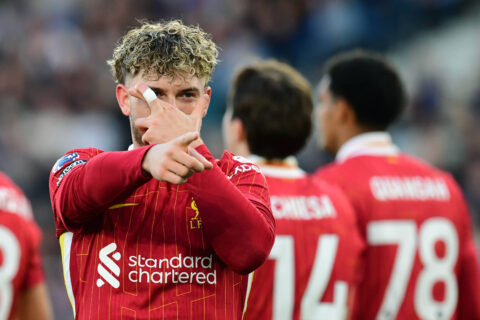
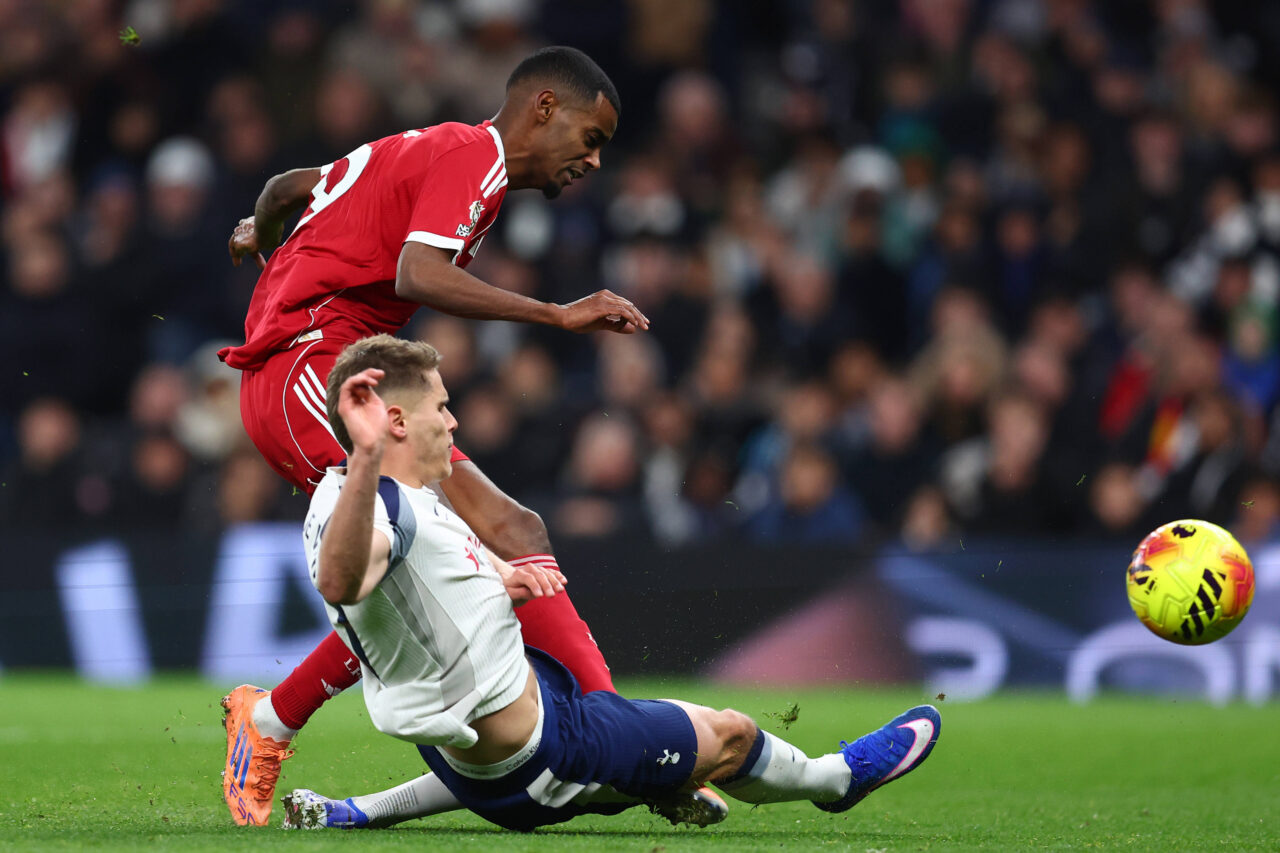
Alexander Isak of Liverpool reacts West Ham United v Liverpool, Premier League, Football, London Stadium,v
Trust in squad balance over panic buying
Liverpool’s forward planning has been shaped by last summer’s extraordinary investment. With £450 million already committed, the club has prioritised consolidation. Isak’s rehabilitation is part of that process, not a catalyst for change.
Internally, there is belief that his return will align with key phases of the season. Slot has emphasised structure and control rather than individual dependency, ensuring Liverpool remain competitive even when key figures are absent.
January restraint reflecting wider philosophy
Ornstein’s reporting reinforces that Liverpool’s calm is deliberate. The market in January rarely rewards impatience, particularly for clubs with title ambitions. Rather than seek short-term attacking cover, Liverpool have leaned into adaptability within their existing group.
This restraint has defined Slot’s early tenure. It is not inactivity, but selectivity. Liverpool remain engaged, watching the market, but refusing to compromise longer-term objectives.
Isak central to future planning
When Isak returns, he will do so as a pillar of Liverpool’s evolving identity. His blend of physical presence and technical intelligence fits Slot’s system, one that prioritises fluid movement and positional interchange.
January, then, becomes less about replacement and more about preservation. Liverpool’s silence is not absence of intent, but clarity of purpose. Ornstein’s insight confirms a club comfortable with its direction, even amid disruption.