
Liverpool vs Burnley: A Test of Patience, Purpose and Progress
Liverpool’s upcoming meeting with Burnley at Anfield is, on paper, the kind of fixture that barely warrants anxiety. Bottom of the form table, short on confidence, short on quality, and drifting towards relegation, Burnley arrive on Merseyside as clear underdogs. And yet, as recent weeks have shown, this Liverpool side has a habit of turning routine assignments into endurance tests.
On Anfield Index Pro, Dave Hendrick and Karl Matchett framed the contest not as a question of whether Liverpool should win, but how — and what such games reveal about a team still searching for fluency.
Burnley, as Hendrick put it bluntly, are “absolutely terrible”. The numbers back him up. Three points from their last ten league games, no wins, and a side conceding twice as many goals as they score. But the danger, as Liverpool know too well, lies not in Burnley’s strengths, but in their willingness to drag opponents into a slow, joyless grind.
Burnley’s bleak identity
Karl Matchett did not mince his words when assessing Burnley’s aesthetic value. “They are a horrible side to watch,” he said, adding that their ability to concede goals while remaining dull is “quite an achievement in itself”.
This is not merely snobbery. It speaks to Burnley’s fundamental problem: an approach that neither mitigates their weaknesses nor plays to any discernible strengths. Hendrick summarised it perfectly: “If you’re going to be crap, you at least have to be fun. Burnley are neither fun nor effective.”
Their recent run has offered no evidence of evolution. “Nothing about what Burnley do now suggests they’re actively trying to make things better,” Matchett observed. “The approach hasn’t really changed at all.” That stubbornness may buy short-term draws, but it rarely delivers sustained Premier League survival.
Lessons from Turf Moor
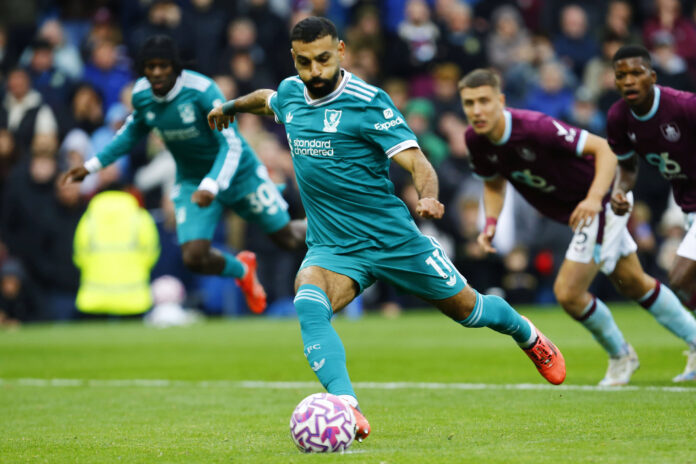
Liverpool have already seen this film once this season. The meeting at Turf Moor in September was awkward, slow, and deeply uncomfortable. Burnley parked the bus, disrupted rhythm, and waited for frustration to creep in. Hendrick recalled that “they parked the bus at Turf Moor, frustrated us, slowed the game down, and it took a very late penalty to win”.
The uncomfortable truth is that Burnley executed their plan more effectively than Liverpool executed theirs. It was a reminder that domination of possession means little without tempo, movement, and incision.
That context matters now. Burnley will arrive at Anfield with no illusions. As Matchett warned, “they might nick a one-off result somewhere, but unless you fundamentally change something, it’s not sustainable — and they haven’t changed anything.” Their aim will be simple: survive as long as possible and hope Liverpool beat themselves.
Liverpool’s responsibility
This is where scrutiny turns inward. Liverpool’s unbeaten run has masked deeper issues. Too often, control has come at the expense of creativity. Too often, safety has replaced ambition. Hendrick cut through the narrative cleanly: “This has to be a win. It’s at home. You can’t have that Fulham- or Leeds-style slowness again.”
Burnley are not a side to admire, but they are a side capable of exposing hesitation. If Liverpool fail to score early, the game risks descending into precisely the kind of slog Burnley crave. “If Liverpool don’t score early,” Matchett warned, “this will become very, very horrible to watch — and Burnley are more than happy to make it that way.”
This fixture is less about Burnley’s deficiencies and more about Liverpool’s intent. Can they move the ball quicker? Can they trust creativity over caution? Can they impose themselves without panic?
A quiet measuring stick
Matches like this rarely define seasons, but they do reveal truths. Burnley represent the Premier League at its bleakest: survival without imagination, resistance without ambition. Liverpool, meanwhile, are still negotiating the balance between control and expression.
At Anfield, against the league’s most joyless side, excuses will be thin. Liverpool should win. More importantly, they should show that they understand why games like this have become uncomfortable — and how to stop them being so.
Because if this becomes another night of sterile dominance and creeping frustration, the problem will not be Burnley.