Liverpool Star Criticised After Frustrating Burnley Draw
Arne Slot arrived at Liverpool amid optimism and, for a while, he delivered on it in emphatic style. Winning the Premier League in his debut season marked him out as a manager who could seamlessly inherit and reshape a heavyweight club. Yet football rarely respects neat narratives. Liverpool’s defence of the title has been distinctly underwhelming, they currently sit 4th, and a return of only five wins from their last 17 Premier League games has placed Slot under intense and uncomfortable scrutiny.
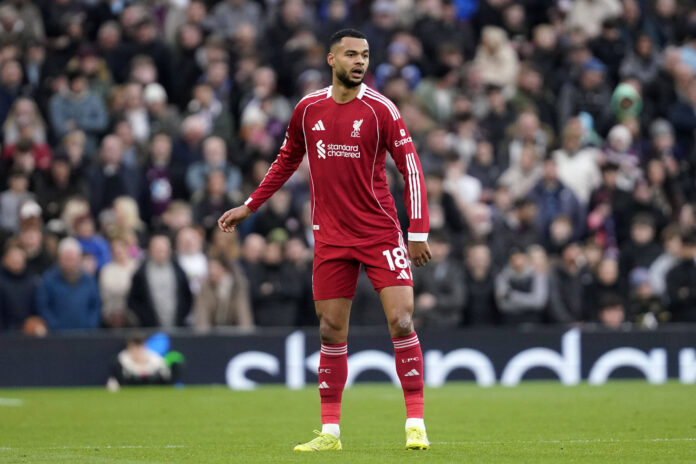
Much of that pressure now ricochets around individual performances as much as collective form, and few players embody that tension more than Cody Gakpo. The Dutch forward has been a valuable contributor in the past, but recent displays have left supporters and pundits asking hard questions about his role, his confidence and his future.
Gakpo under scrutiny
The 1-1 draw with Burnley brought these concerns into sharp focus. Speaking after the game, David Lynch, who spoke to Dave Davis for Anfield Index, did not sugarcoat his assessment of Gakpo.
“I didn’t think he played well. He’s not confident and he’s not playing well at the moment.”
It was a stark verdict, but also one rooted in an understanding of what Gakpo is capable of. This is not a case of a player suddenly being exposed as limited. Rather, it is about a noticeable dip from a previously high standard.
“He played well last season and he’s capable of much more than this, so what can the manager do to get him working better and stop the habits?”
That question lingers over Slot’s reign. Is this a technical issue, a psychological one, or simply a product of Liverpool’s broader malaise?
Burnley draw as symptom
The Burnley result felt less like an isolated slip and more like a snapshot of Liverpool’s wider inconsistency. Against a side they would normally expect to dominate, the Reds lacked fluency, incision and defensive control. Gakpo, positioned to offer width and threat, instead appeared hesitant, reactive and strangely detached from the rhythm of the game.
Lynch’s analysis captured that discomfort perfectly.
“You just think that he’s playing in a way that makes you not want him in the team. I’m a big fan of him and I think he’s a really helpful player to have around the squad, but he’s not having a great season.”
That line speaks volumes about the fine margins in elite football. Gakpo is not a problem in isolation, yet his struggles mirror Liverpool’s own uncertainty.
Slot’s managerial dilemma
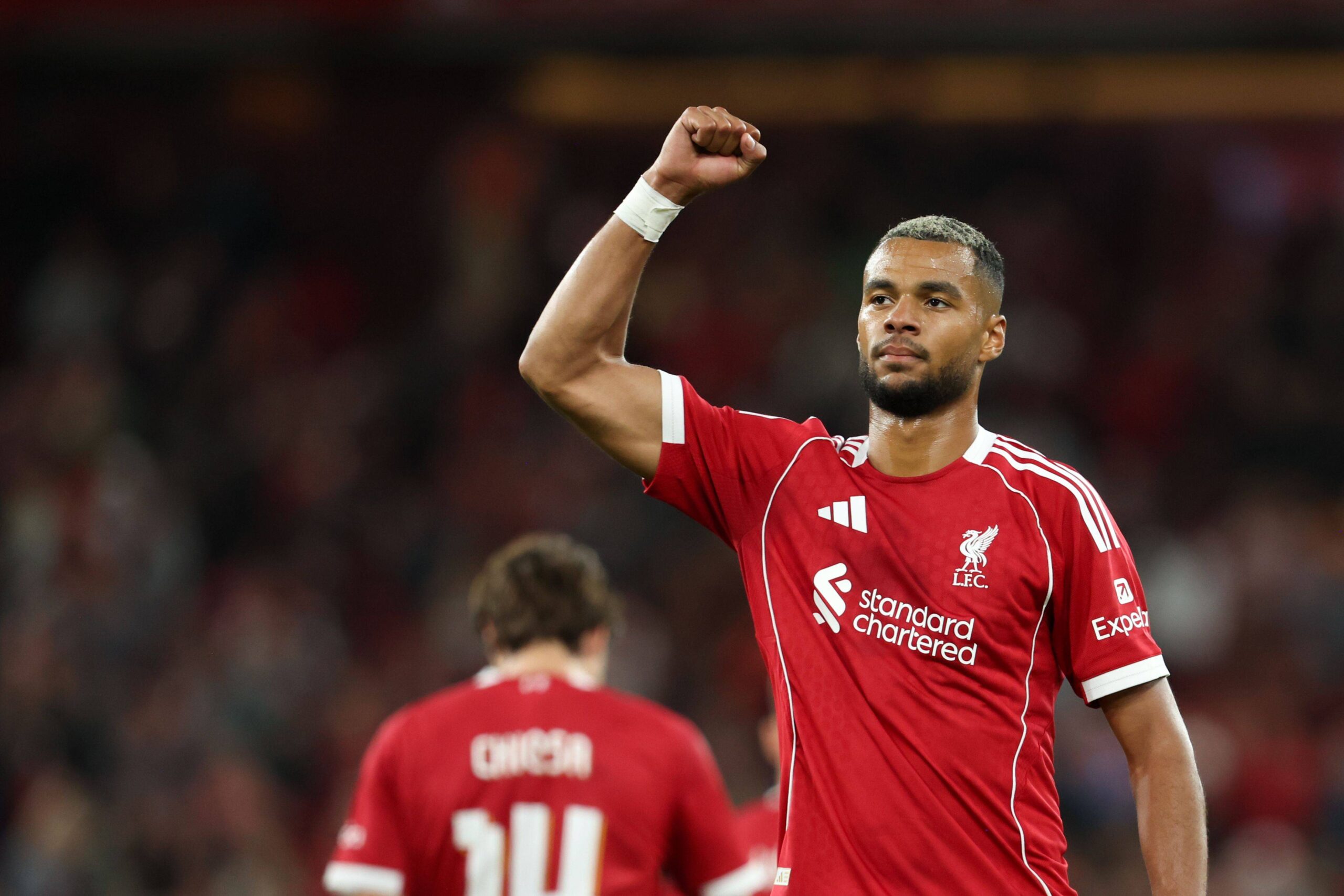
For Slot, the challenge is not merely tactical, it is managerial and psychological. Great coaches do not just pick formations, they revive belief and recalibrate habits. Lynch hinted at that balance between player responsibility and managerial influence.
“Of course part of it is on him to improve his performances, but also can the manager be doing more to get the most out of him?”
This is where Slot’s honeymoon period has truly ended. Winning a title in year one set a sky high benchmark, but now he must show he can navigate adversity, rebuild confidence and extract peak performances from players who have lost their spark.
What comes next for Liverpool
Liverpool’s season now hinges on how they respond to this rough patch. Gakpo’s form will be a litmus test for Slot’s ability to man manage as much as to tactically innovate. If the Dutch forward rediscovers his sharpness, it could signal a wider revival. If not, Liverpool may need to rethink how they use him, or whether they should look elsewhere.
The bigger picture remains clear. Slot has the pedigree, the squad and the club infrastructure to turn this around. Yet football does not grant grace periods on reputation alone. Performances must improve, results must follow, and players like Gakpo must either rediscover their confidence or risk becoming symbols of a faltering title defence.