
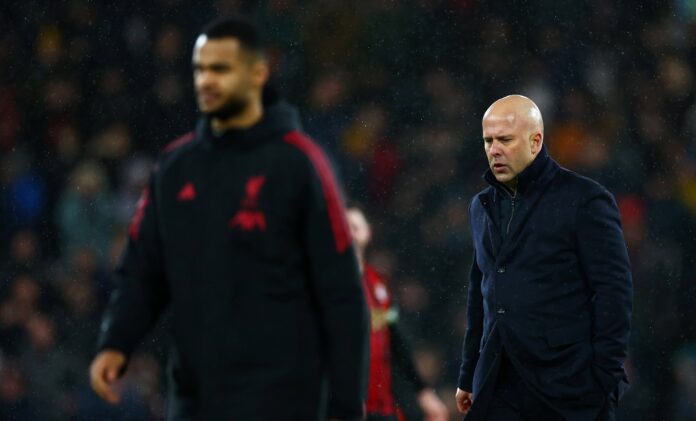

Post-match verdict framed by blunt messaging
Liverpool’s 3-2 defeat at Bournemouth was not simply a bad result, but another data point in a run that has increasingly shaped the conversation around Slot, direction and performance level. On Anfield Index’s Post-Match Raw, the tone was immediate and unsparing, with Trev Downey describing it as a “holding pattern performance” in which familiar issues returned in full view: slow possession, limited incision, and a lack of control once momentum turned.
That assessment, stripped of any melodrama, aligns with what Liverpool’s display looked like for long spells: plenty of ball, little threat, and repeated moments where Bournemouth appeared clearer in their intentions when they did break. The broader concern raised on the show was not isolated errors, but a collective pattern — a side that looks uncertain in key phases of games and fragile when disrupted.
Crucially, the criticism was not delivered as an emotional reaction to a single moment. It was framed as accumulation: recurring problems now hard to dismiss as noise. For a Liverpool team with attacking talent and senior leadership, the questions being asked are sharper because the baseline expectation is higher.
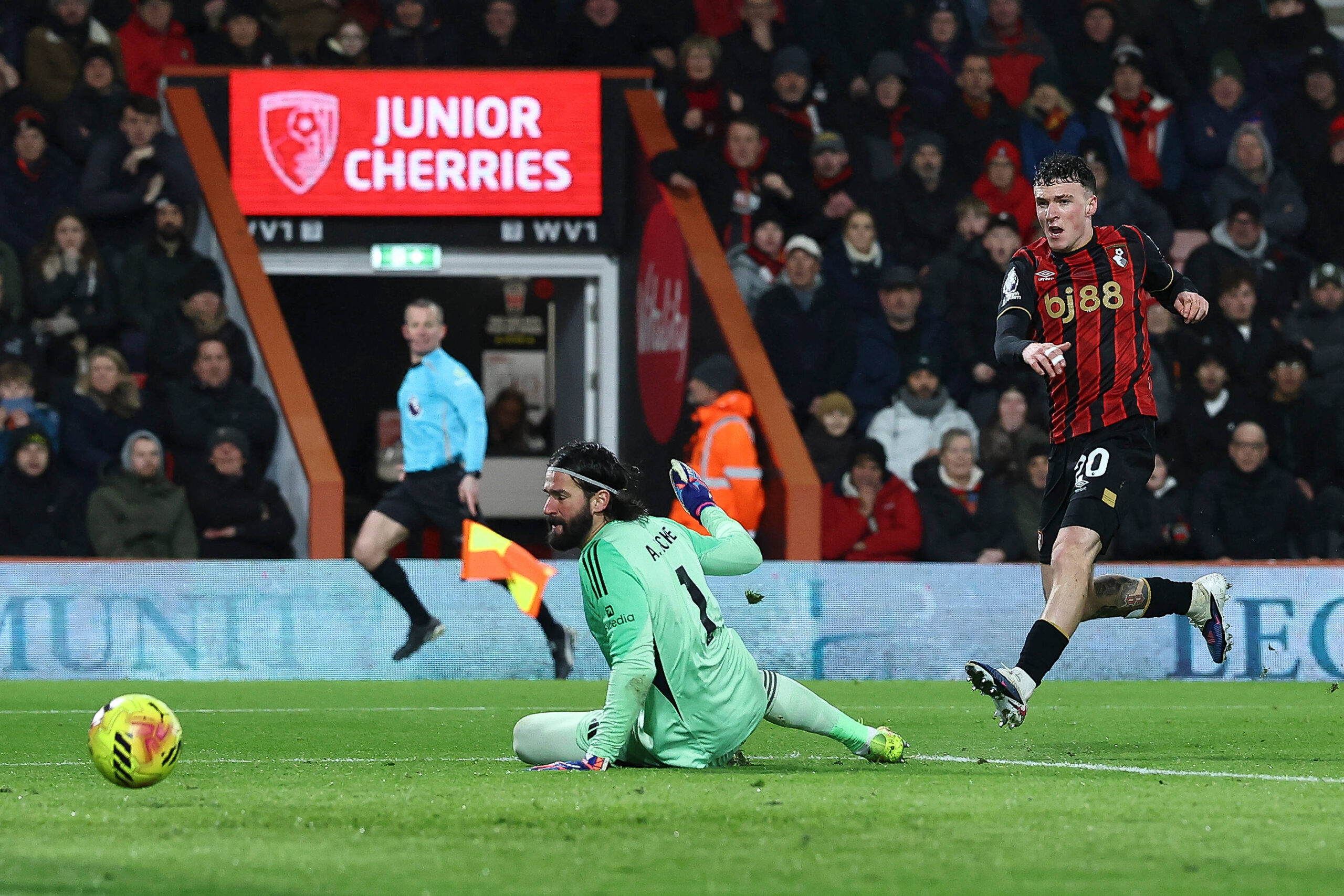
In-game management and intensity questioned again
If one theme from the discussion cut through consistently, it was the sense that Liverpool’s problems are becoming systemic rather than circumstantial. Dave Hendrick’s summary was stark: Liverpool “begin with lots of the ball and do absolutely nothing with it” before conceding and “heads go completely”. That sequencing matters because it suggests a repeatable pattern teams can plan for: stay compact, absorb, then strike into a side that becomes disjointed when it falls behind.
The sharpest critique was aimed at the cohesion between touchline decisions and what was happening on the pitch. Hendrick’s view was that this version of Liverpool has become a difficult watch relative to the level of talent available, describing it as “dreadfully coached” and pointing to an absence of clarity in possession and purpose in attack.
This was matched by frustration at how little Liverpool appeared to change the story of the match after setbacks. There is a difference between losing a game and losing control of the narrative within it. Bournemouth, in that sense, looked more certain of what they were trying to do, while Liverpool’s possession often felt like circulation rather than progression.
That matters for Slot because, fair or not, head coaches are judged on patterns as much as outcomes. When the same themes return — slow tempo, low shot volume, limited penetration, and emotional drop-off after conceding — the debate shifts from “one-off” to “trend”.
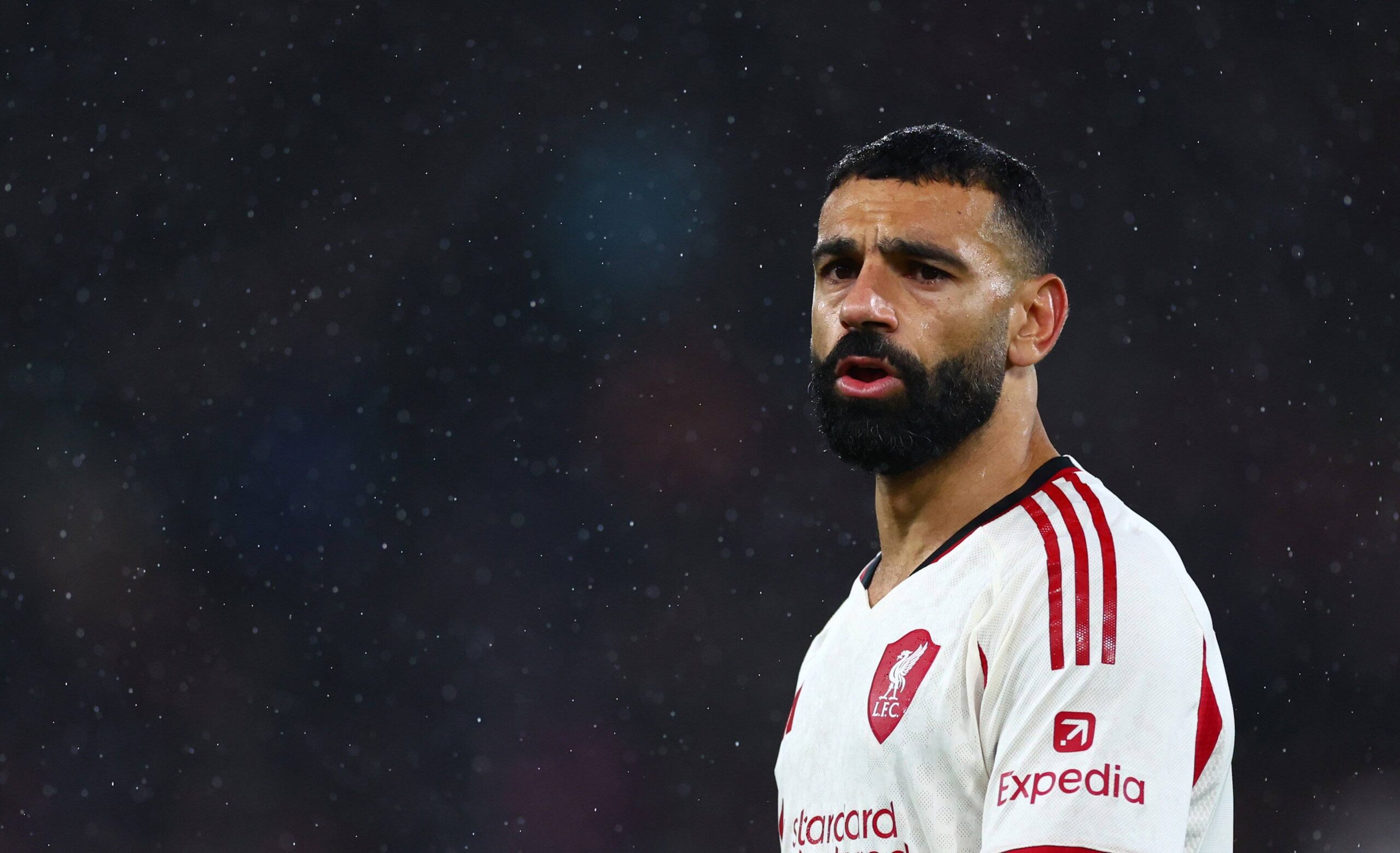
Bournemouth approach exposes familiar Liverpool problems
Bournemouth’s role in this was not to simply wait for Liverpool to implode, but to play with a clear plan: defend with structure, then attack with intent when transitions appeared. Karl Matchett’s line on the podcast captured that dynamic: “Boring is absolutely the word,” he said, before pointing to how Liverpool can dominate possession yet generate little, while still giving up opportunities the other way. That contrast — control without threat — is what made the defeat feel avoidable and, therefore, more damaging.
At 3-2, it is easy to focus on the scoreline and miss the underlying texture of the match. The issue raised repeatedly in the conversation was not just the concession of goals, but Liverpool’s inability to impose themselves in open play. Bournemouth, by contrast, found moments with purpose and punished indecision. That is why the defeat lands as more than an away-day mishap: it reinforces existing concerns about Liverpool’s attacking rhythm and defensive stability.
Trev Downey’s point was more fundamental: you can sense when “it’s not there” in terms of fight and urgency, and, in his view, Liverpool’s display lacked both. When that perception takes hold among supporters and analysts, it becomes difficult to reset quickly without a clear change in performance.
What result means for Slot next stretch
Nobody on the show pretended a single match would determine Slot’s future. But the language used reflected a growing impatience with recurring underperformance, particularly when the squad contains enough quality to be more competitive than this display suggested. The headline takeaway was blunt: this wasn’t a freak defeat, it looked like an extension of familiar weaknesses.
The original source for these quotes and themes is Anfield Index’s Post-Match Raw episode discussing Bournemouth 3 Liverpool 2, featuring Trev Downey, Dave Hendrick and Karl Matchett. Their remarks, paraphrased and contextualised here, speak to a wider mood around Liverpool: frustration not only at results, but at what the football is becoming.
For Slot, the next stretch is less about rhetoric and more about evidence. Liverpool need a response that changes the pattern: quicker ball speed, more shots created from open play, and a more stable structure when games shift. Without that, the noise will only grow, and defeats like Bournemouth will be viewed not as setbacks, but as signals.