
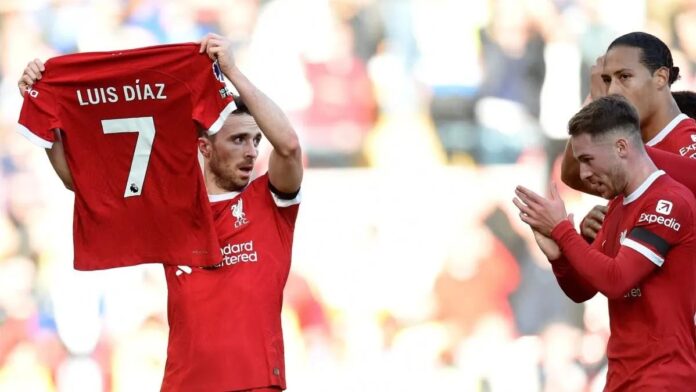

We need to talk about that shirt at the bottom of your drawer. You know the one. It’s probably the 2005 Champions League winner’s kit, or maybe that ecru away top from the mid 90s that everyone suddenly decided was cool again. You love it, but you can’t wear it. Why? Because the crest is hanging off by a thread and the sponsor looks like it’s been attacked by a cheese grater. But you deserve drip.
It’s the curse of the football fan. We spend a fortune on (unhealthy) polyester, only to watch it slowly disintegrate.
For years, the standard advice was just to give up. You’d fold the shirt away, maybe frame it if you were feeling fancy, or worse… charity shop it. But recently, I’ve noticed a subtle change on the terraces and in the forums. People have stopped binning their damaged classics and started fixing them. It’s a bit of a “make do and mend” revival, but for football obsessives.
The “Peeling Vinyl” Nightmare
Let’s be honest with ourselves, kit manufacturing went through a bit of a dark age. While the shirts from the 80s were virtually indestructible (you could probably survive a nuclear blast in a Crown Paints top), the stuff from the 2000s was… temperamental.
The move from stitched badges to heat-pressed vinyl was a disaster for longevity. One wash too hot, or just the passage of time and that iconic Liverbird starts to curl at the edges. It looks tatty. And there is nothing worse than walking into the pub on matchday feeling like the bee’s knees, only for someone to point out that your badge is falling off.
This… is where the fix comes in. It’s not about magic; it’s about covering up the crimes of the past. By getting hold of high-quality custom embroidered patches, you can essentially perform surgery on the shirt. If the original print is fading into a ghostly smear, you don’t try to paint it back on. You stitch a proper, woven patch right over the top.
It sounds simple, but it changes the whole look of the kit. You go from looking like you’ve dug something out of a skip to looking like you’re wearing a “player issue” spec shirt. Because let’s face it, embroidered badges always look better than the plastic ones anyway. It adds a bit of texture, a bit of class. It stops the shirt looking like a cheap knock-off and makes it look like the real deal again.
Why We Bother (The Nostalgia Tax)
You might be thinking, “Why bother? Just buy a new one.”
Have you seen the prices of vintage shirts lately? It’s absolutely mental. A decent condition shirt from the Spice Boys era can set you back hundreds of pounds on eBay. The “retro” market has exploded, meaning your wardrobe is potentially sitting on a goldmine. That is, if the shirts are in nick.
But it’s not just about the money… right? It’s the memories. Every scratch, bobble and stain on an old shirt usually tells a story. That Reebok shirt isn’t just fabric; it’s Michael Owen in Cardiff (before he went and ruined his legacy). That Adidas kit is Torres destroying Vidic at Old Trafford. You can’t just replace that feeling with a shiny new Nike template from the club shop.
Restoring these shirts is a way of holding onto that history. It’s a rejection of the modern football cycle where you’re expected to shell out £80 every August for a shirt that looks slightly different to the last one. Wearing a restored 1984 shirt says something. It says you’ve been here for the long haul. You were here for the glory nights, and you were here when we had Paul Konchesky at left-back. It’s a badge of honour.
Don’t Burn the House Down
Now, a quick word of warning for anyone thinking of grabbing the iron immediately.
If you are going to patch up a shirt, you need to be careful. Vintage football shirts are 100% synthetic. They are basically made of plastic. Do you know what plastic does when it gets too hot? It melts.
I’ve seen it happen. Someone tries to iron on a new patch to cover a damaged sponsor, cranks the heat up to “Cotton,” and melts a permanent iron-shaped hole right through the chest of a 1996 goalkeeper top. Tragedy.
If you’re using an iron-on patch, put a tea towel or a pillowcase between the iron and the shirt. Treat it gently. Or, better yet, get a needle and thread. Stitching is safer, it’s authentic and if you mess it up, you can unpick it. Melting is forever.
The Living Legacy
In a world where football feels increasingly corporate, sanitized and expensive, keeping your old gear alive feels like a tiny act of rebellion. It’s sustainable, it saves you a fortune and frankly, the old kits just looked better.
So, don’t bin that battered shirt. Don’t let the peeling badge defeat you. With a cheap patch and ten minutes of effort, you can get it back in the rotation. And next time you’re at Anfield, you won’t just be another fan in the current season’s strip; you’ll be the one wearing a piece of history that looks brand new.