

Arne Slot Explains Squad Rotation Strategy as Liverpool Balance FA Cup Ambitions and Priorities
Liverpool manager Arne Slot has underlined the delicate balance between squad rotation and competitive ambition as his side prepares to navigate a congested fixture schedule that includes the FA Cup alongside crucial league commitments. With Liverpool competing across multiple fronts, the Dutch coach has made clear that protecting player fitness remains central to his decision-making process, even as supporters and analysts debate where the club’s true priorities lie.
Speaking ahead of Liverpool’s latest run of fixtures, Slot addressed the ongoing challenge of managing player workloads while ensuring performance levels remain high. His comments, originally reported via the club’s media briefing, offered insight into how Liverpool’s squad rotation plans intersect with their FA Cup aspirations and broader seasonal priorities.
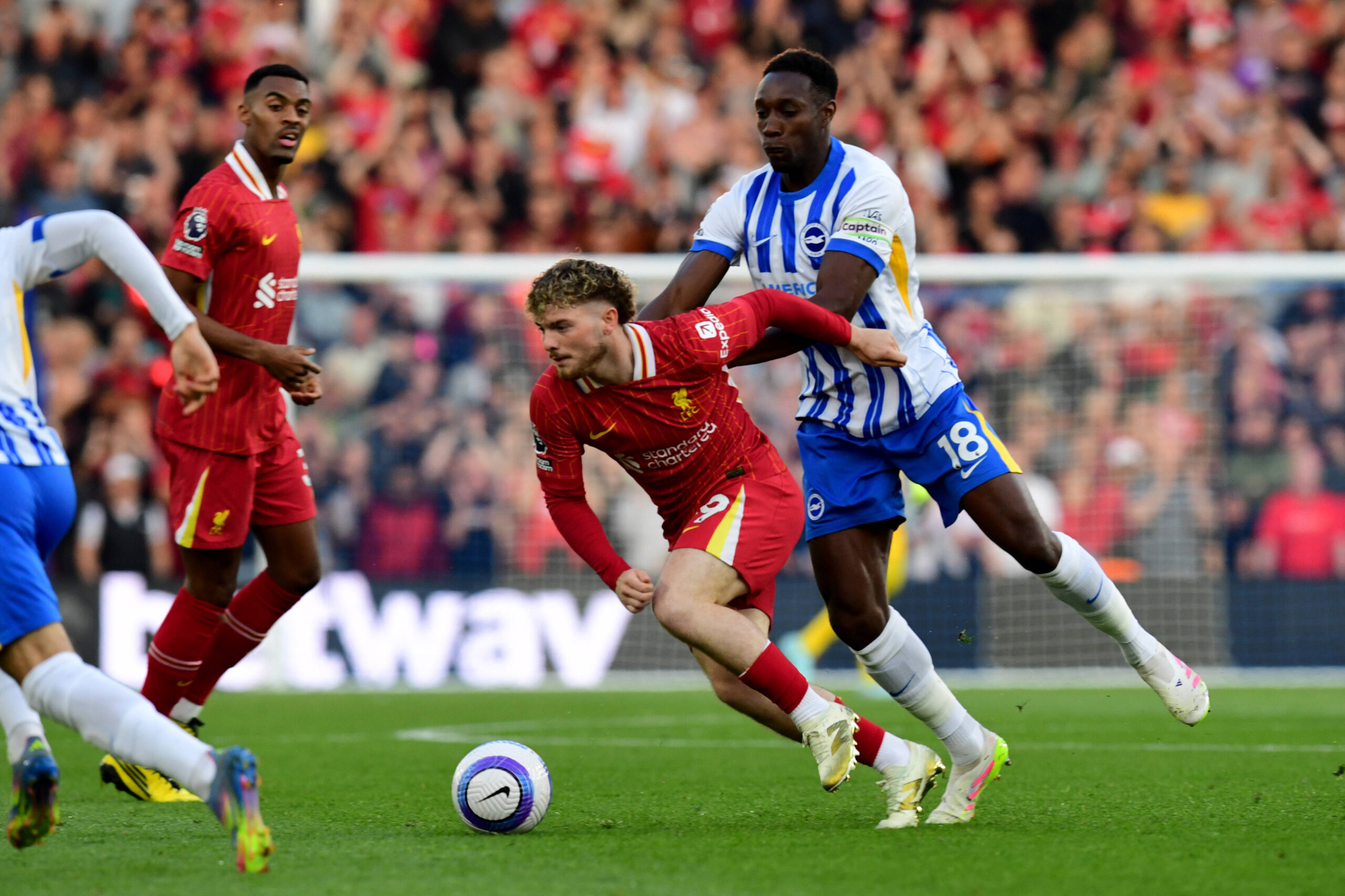
Squad Rotation Decisions Driven by Injury Risk and Player Welfare
Slot began by emphasising that Liverpool’s squad rotation policy is rooted in necessity rather than preference. Injuries have already played a role in shaping selection decisions this season, and the manager made it clear that avoiding further setbacks is paramount.
“The load management is important because the last thing we could use right now is another injury,” Slot said. “That is always the difficult balance for the manager, including his medical staff, what is the best decision to make every single time.”
These remarks reflect a wider shift in modern football, where squad rotation is no longer simply about resting players but about managing cumulative physical stress. Liverpool’s intensity under Slot requires sustained pressing, positional discipline, and high physical output. That makes careful monitoring essential, especially during periods featuring FA Cup ties alongside league fixtures.
The FA Cup, historically one of English football’s most prestigious competitions, remains an objective for Liverpool. However, squad rotation decisions inevitably reflect strategic priorities across all competitions. Slot’s message indicates that protecting player availability is critical to maintaining momentum across the season.
FA Cup Opportunities Balanced Against Wider Priorities
While Liverpool remain committed to competing seriously in the FA Cup, Slot acknowledged that fixture congestion creates complex decisions regarding selection. Managing three matches in quick succession presents risks, particularly for key players who shoulder significant workloads.
“It is also true that a player could get injured if he has to play three games in seven days,” Slot explained. “But it also happened many times that a player could play three games in seven days.”
This statement highlights the unpredictability managers face when weighing squad rotation against competitive demands. There is no guaranteed formula. Some players thrive on rhythm and consistency, while others benefit from rest and recovery. Slot’s approach appears grounded in individualised assessment rather than rigid rotation patterns.
Liverpool’s FA Cup campaign offers opportunities for squad players to contribute, while also enabling the manager to preserve core starters for fixtures that align with broader priorities. That does not diminish the importance of the competition, but it reflects a pragmatic approach aimed at maximising success across the season.
Training Assessments Inform Final Squad Rotation Choices
Slot made clear that Liverpool’s squad rotation decisions are determined through continuous evaluation rather than pre-set planning. The manager emphasised that communication between players, coaching staff, and medical personnel plays a decisive role in shaping selection.
“So that’s the challenge we are having, but the most important thing is we have to train today, see how the players are doing, listen to how they feel and then make the best possible decision,” he said.
This collaborative approach reflects modern sports science practices, where subjective player feedback complements objective medical data. Fatigue monitoring, recovery metrics, and training performance all contribute to the final decision-making process.
For Liverpool, this ensures that squad rotation is not merely reactive but proactive. It allows Slot to respond to evolving physical conditions while maintaining competitive consistency.
Long-Term Priorities Shape Liverpool’s Strategic Planning
Slot’s comments also point to Liverpool’s broader priorities as the season unfolds. Competing in the FA Cup remains important, but the overarching objective is sustained performance across all competitions. Squad rotation is therefore a strategic tool rather than a sign of diminished ambition.
Maintaining player availability will be essential if Liverpool are to achieve their targets. Squad depth provides flexibility, but intelligent management of that depth ultimately determines success. Slot’s emphasis on listening to players and evaluating training responses suggests a measured, adaptable leadership style.
The FA Cup presents opportunities for silverware, squad development, and tactical experimentation. Yet Liverpool’s priorities require balancing immediate competitive demands with long-term sustainability.
As Slot continues to navigate this challenging landscape, his squad rotation decisions will remain central to Liverpool’s campaign. His transparent explanation of the process offers reassurance that every choice is driven by careful consideration of player welfare, competitive ambition, and the club’s wider priorities.