
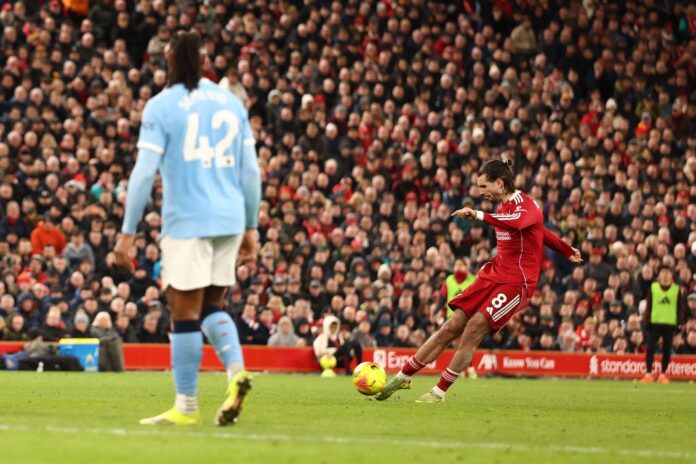

Liverpool’s home ground stands as one of football’s most intimidating venues. The noise, the passion, and the weight of history can shake even the most composed visiting side. But when it comes to matchday betting, does that famous atmosphere actually move the odds? The answer is more nuanced than you might think, and understanding this dynamic could improve how you approach your football wagering.
The Historical Power of Home Advantage
Anfield’s reputation didn’t arrive overnight. Decades of dominant performances, European trophies, and unforgettable nights have built a mystique around Liverpool’s fortress. Visiting teams arrive knowing they’ll face not just eleven players, but thousands of voices creating an almost tangible force. That’s why the Reds’ fans are often called the ‘12th man’ (which is also a popular sports pub near the stadium).
This home advantage translates into real betting patterns. Historically, Liverpool’s odds tighten considerably when they play at Anfield compared to away fixtures. The bookmakers recognise what supporters already know: home teams win more often, score more goals, and concede fewer. At Anfield specifically, these advantages compound.
However, the influence has shifted over time. The roar of ‘You’ll never walk alone’ remains as powerful as ever, but modern football has introduced new variables that complicate the picture.
How Contemporary Betting Markets React
Today’s odds don’t respond solely to atmosphere and tradition. Algorithms, statistical analysis, and vast betting exchanges process information far more quickly than in previous eras. When odds are set for an Anfield fixture, they already account for historical home advantage, current form, team composition, and injury status.
To maximise your value when betting on these matches, explore Sporting Life betting offer options that help you stretch your stake across different matchday angles. Consider also that Liverpool’s strength fluctuates considerably. The roar sounds identical regardless of whether the team enjoys title-winning form or midtable struggle. During seasons when Liverpool’s squad quality dips, no amount of atmosphere compensates for individual defensive vulnerability.
What you’ll notice is that odds for Liverpool at home don’t appear dramatically different from what statistical models predict. The market has already priced in the Anfield factor long before kickoff. This doesn’t mean the roar has lost power on the pitch; rather, it means professional traders have already calculated its value. For savvy punters, this creates both challenges and opportunities.
When the Atmosphere Matters Most
The Anfield roar carries heaviest weight during specific match scenarios. A struggling visitor trailing going into the closing stages will feel the pressure differently than an opponent comfortable with their position. The noise amplifies existing momentum shifts.
European nights bring something different entirely. When Liverpool faces continental opposition in Champions League matches, the psychological impact intensifies. Visiting players unfamiliar with Anfield’s character sometimes struggle more dramatically than domestic rivals accustomed to English football’s intensity.
Recent seasons have shown Liverpool using their home advantage most effectively against top-six rivals and sides fighting relegation. Middle-table teams often remain unintimidated, suggesting that Anfield’s influence correlates with how much visitors value the fixture emotionally. Teams like Forest, Palace, Fulham, Leeds and others have enjoyed moderate success at Anfield.
What This Means for Your Betting Strategy
You shouldn’t dismiss the Anfield factor, but you shouldn’t overvalue it either. The modern betting market prices home advantage efficiently. Instead, focus on situations where circumstance amplifies that advantage: tired visiting squads, teams with psychological baggage at Anfield, or fixtures carrying special significance.
Context matters enormously. A second-string visiting team battling multiple injuries faces the Anfield atmosphere under completely different circumstances than a full-strength challenger pursuing European qualification.
The Bottom Line
The Anfield roar definitely influences matchday betting, but perhaps not how you’d imagine. It’s neither the dominant force some traditionalists claim nor irrelevant as pure numbers suggest. Instead, it represents one of several factors that sophisticated odds compilers weave into their calculations.
Your job involves recognising when those calculations miss the complete picture, accounting for the psychological and emotional dimensions that can’t be graphed on a spreadsheet. Understanding this balance positions you better for informed football wagering.