
Liverpool Sack Decision: What It Could Cost to Dismiss Arne Slot?
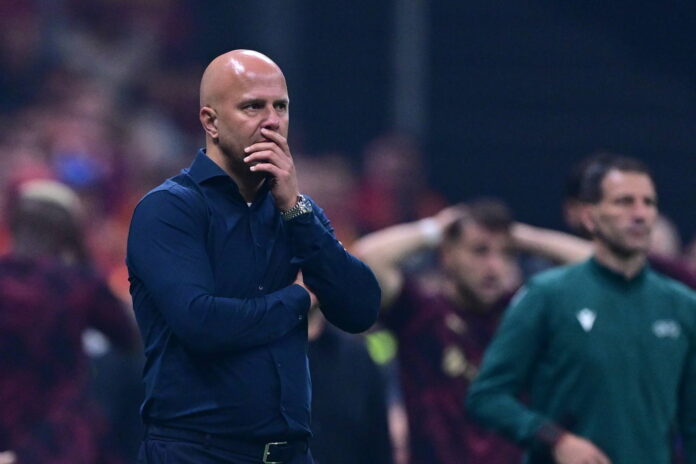
Liverpool’s season has reached a point where uncomfortable questions are being asked, and the man standing in the firing line is Arne Slot. Football, as ever, is a business that rewards momentum and punishes stagnation, and after defeat against Wolves, the debate surrounding whether Liverpool might sack Slot has intensified.
The result was not simply another loss. It was the sort of performance that prompts scrutiny from supporters, pundits and boardrooms alike. Wolves, a team battling near the bottom of the table, arrived with modest expectations yet left with three points and the uncomfortable suggestion that Liverpool’s direction under Slot may be faltering.
That is the reality of management at a club of Liverpool’s stature. The margin between patience and decisive action can be remarkably thin. For owners Fenway Sports Group (FSG), the decision about whether to sack Slot will not hinge on emotion but calculation: footballing ambition weighed against financial cost.
Reports from the original source at Rousing The Kop suggest Slot’s future is uncertain as the 2025/26 campaign approaches its decisive phase. With Liverpool currently outside the Champions League places, the pressure is building.
Failure to secure elite European football has historically been a trigger for change at clubs chasing the summit. If that scenario unfolds, the discussion surrounding the cost of removing Slot from his post may quickly become more than theoretical.
Cost of Sacking Slot Explained
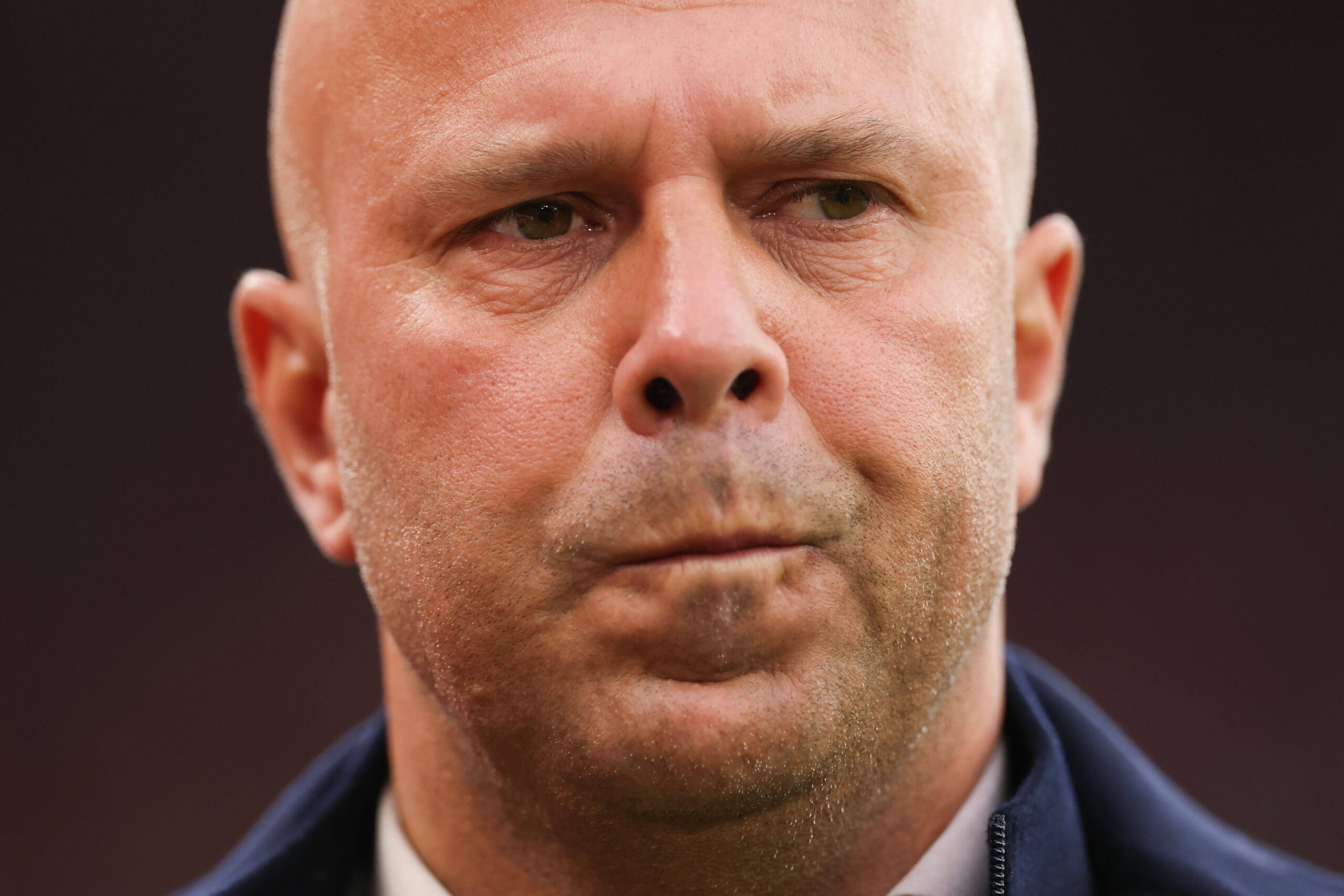
Football supporters often assume dismissing a manager is simply a case of writing a cheque. In truth, contracts, clauses and negotiated settlements shape the final figure.
Financial expert Adam Williams, speaking to Rousing The Kop, provided some insight into what it might cost Liverpool to sack Slot before the expiry of his contract.
“Contracts are complicated,” Williams explained. “The starting point is to assume that a manager will be paid out based on the remaining value of their deal, but it’s rarely that simple in reality.”
Slot reportedly earns between £6 million and £7 million per year and has roughly 18 months remaining on his contract. On the surface, that suggests compensation approaching £10 million.
However, the reality may be less straightforward.
“There is almost always a clause that stipulates that Liverpool can pay a set amount for early dismissal,” Williams continued, “and that will be lower than the remaining value of the deal in order to protect the club.”
Another contractual mechanism could further reduce the sack cost.
“There might also be what is known as a liquidated damage clause, which means FSG pays a significantly reduced amount if Slot fails to achieve a certain objective, such as qualifying for the Champions League.”
In simple terms, the cost of dismissing Slot may sit comfortably below eight figures. Williams summed it up bluntly: “It will be mid-seven figures, probably; not eight. That’s chicken feed to them.”
For a club operating with Liverpool’s revenue streams, the financial barrier to a managerial change appears relatively modest.
Financial Impact on Liverpool Ownership
Fenway Sports Group are many things, but sentimental is not one of them. Their stewardship of Liverpool has always been grounded in financial logic.
Viewed through that lens, the cost of sacking Slot would hardly represent a significant obstacle if the ownership group believe a managerial change would benefit the club’s long-term competitiveness.
Williams reinforced that point clearly.
“I think we can be sure of one thing – the cost of firing Slot won’t factor into FSG’s decision in any meaningful way.”
Liverpool’s annual revenues, commercial partnerships and Champions League ambitions operate on a scale where a compensation payment in the region of £7–10 million becomes a manageable accounting entry rather than a strategic hurdle.
In modern football, managerial turnover is often absorbed as a cost of pursuing success. Clubs chasing titles rarely allow financial considerations alone to prevent decisive action.
For Liverpool, therefore, the debate will revolve around results, direction and belief rather than pure financial arithmetic.
Potential Replacements If Liverpool Sack Slot
Whenever the possibility of a manager being sacked emerges, the conversation inevitably turns to successors.
One name repeatedly mentioned is Xabi Alonso. The former Liverpool midfielder has long been admired at Anfield and, according to reports referenced by the original source Rousing The Kop, remains a candidate after leaving Real Madrid earlier in 2026.
Another figure linked earlier in the season was Oliver Glasner. However, reports suggest he could instead move into a role within the Red Bull football structure.
Speculation, of course, tends to flourish long before any official decision is taken. Liverpool’s hierarchy are unlikely to move unless they are confident a stronger long-term solution is available.
Yet football rarely waits for certainty.
Slot arrived with a reputation for progressive football and calm leadership. Whether that vision ultimately succeeds or ends with Liverpool deciding to sack Slot will depend on the results of the coming weeks.
For now, the reality is simple. The cost of change appears manageable. The pressure on Slot continues to grow.
And at a club where expectations remain towering, the margin for error grows thinner with every disappointing result.