
Julian Nagelsmann emergence hints at Liverpool succession plan beyond Slot
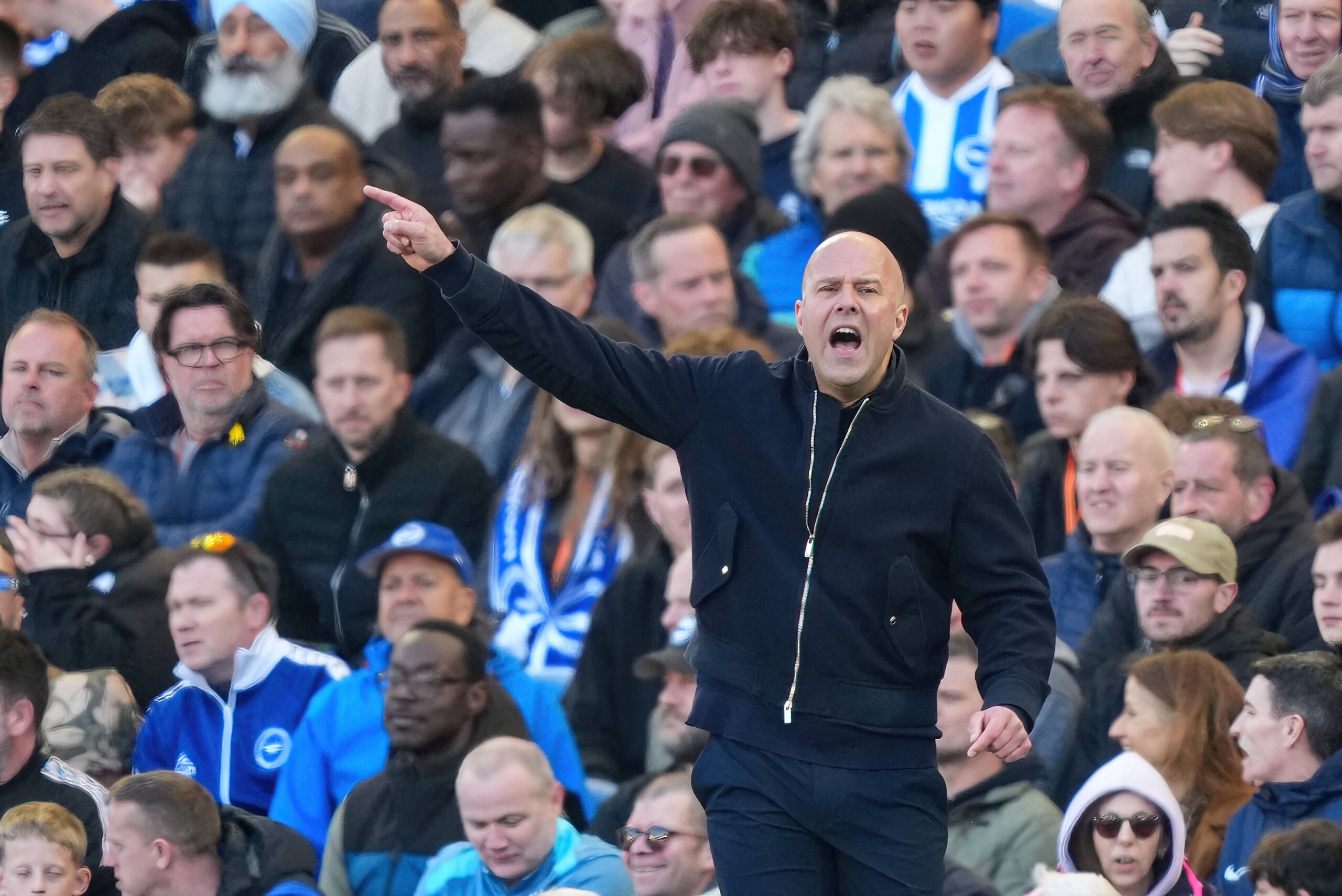
Liverpool’s recent trajectory has raised serious internal questions, even if outwardly the club continues to project stability around Arne Slot. Results have dipped below the standards expected at Anfield, and the underlying performances have followed suit. A return of just four wins from the last 13 league matches tells its own story, but the more alarming detail is structural: pressing intensity has dropped, transitions look disjointed, and cohesion has eroded.
In a revealing assessment, journalist Bence Bocsak framed the situation bluntly: “We cannot fully know the answer. But we have a theory. A pretty compelling theory about why Liverpool haven’t acted.” That theory centres not on patience, but on timing.
Slot remains in position, yet the sense persists that Liverpool’s hierarchy are already looking beyond the present. The reluctance to make a mid-season change, despite a campaign veering off course, suggests a longer-term calculation rather than blind faith.
Nagelsmann profile aligns with Liverpool identity
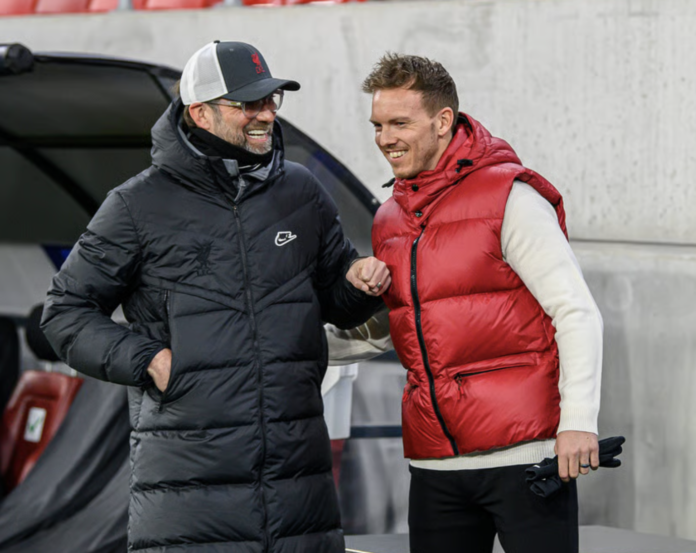
At the heart of that calculation is Julian Nagelsmann. According to Bocsak, “Julian Nagelsmann is the perfect candidate in order to continue Klopp’s gegenpressing principles at Liverpool and he’s probably the only coach available right now who fits the system and who has experience working at the highest level.”
That statement cuts to the core of Liverpool’s identity. Since the Jurgen Klopp era, the club has been built on aggressive pressing, verticality, and collective intensity. Any successor must not only understand those principles but evolve them.
Nagelsmann’s body of work at Hoffenheim, RB Leipzig and Bayern Munich demonstrates precisely that. His teams have consistently ranked among the most efficient pressing units in Germany, blending high-energy defensive work with positional sophistication. Where Klopp’s approach was often direct and chaotic by design, Nagelsmann introduces greater control without sacrificing tempo.
Bocsak reinforces this stylistic continuity: “Nagelsmann is the ideal fit because he has a very similar playing style to Klopp, just with a more modern twist and more possessional elements integrated into his philosophy.” For a Liverpool squad still largely constructed for that model, the tactical fit is obvious.
World Cup timing shaping Liverpool decision
The major obstacle is availability. Nagelsmann is currently leading Germany into the upcoming World Cup, and any club ambitions must wait. As Bocsak notes, “Obviously, he won’t be leaving his role as manager of Germany until the World Cup concludes in North America this summer.”
This timeline explains Liverpool’s restraint. Rather than appoint an interim solution or pivot to a less suitable candidate, the club appear willing to endure short-term instability for long-term alignment. It is a calculated risk, but one rooted in strategic clarity.
Bocsak adds further weight to the theory: “After that Liverpool can bring him in and Nagelsmann has already opened the door to a Premier League move once the World Cup finishes.” That openness is crucial. Elite coaches rarely align so neatly with both availability and stylistic need.
Strategic patience or growing gamble for Liverpool
There is, however, a delicate balance. Waiting for Nagelsmann requires Liverpool to accept continued inconsistency under Slot, with potential consequences for league position and European qualification. The longer the downturn persists, the greater the external pressure becomes.
Yet internally, the logic holds. Nagelsmann represents not just a managerial change, but a continuation of a footballing philosophy that has defined Liverpool’s modern success. His experience with high-level squads, including work with players already connected to Liverpool’s ecosystem, strengthens the case further.
Bocsak’s conclusion captures the mood: “He’s the perfect candidate, and waiting for him might make sense.” In elite football, succession planning is rarely this clear-cut. Liverpool may believe they have identified a coach capable of bridging eras without dismantling identity.
Whether that patience proves visionary or costly will depend on how long Slot’s struggles continue—and whether Nagelsmann ultimately makes the move to Anfield.