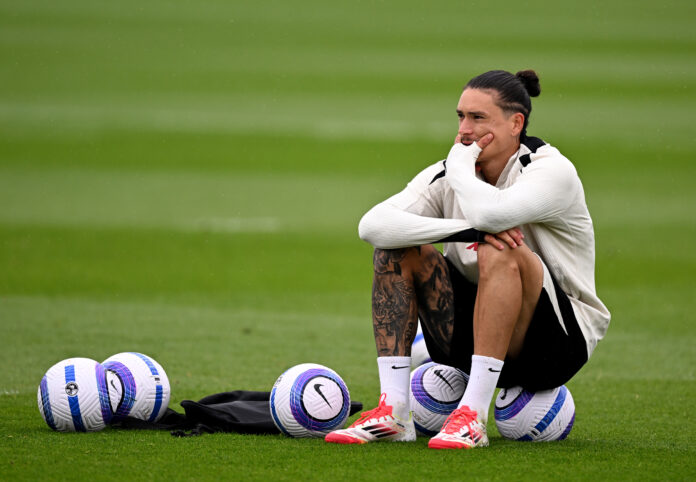

Darwin Nunez’s Saudi Gamble Unravels as Al Hilal Reality Bites
Darwin Nunez’s departure from Liverpool always carried the feel of unfinished business. A forward who never quite settled into a rhythm at Anfield, yet still delivered flashes of menace, he traded Premier League intensity for the financial lure and different cadence of Saudi football with Al Hilal. It was, on paper, a decisive career pivot. In practice, it has become a cautionary tale.
The original source of this report, talkSPORT, outlines a narrative that now looks increasingly uncomfortable for the Uruguayan striker. After a £46million move last summer, expectations were that Nunez would spearhead Al Hilal’s attack. Early returns were promising: three goals in his first four league appearances suggested a player finding his footing.
Yet football careers rarely follow a straight line. A failed January move to Fenerbahce proved pivotal. From that point, Nunez was omitted from Al Hilal’s domestic league squad entirely, leaving him restricted to sporadic appearances in cup competitions and the Asian Champions League.
For a player once tasked with leading the line for Liverpool, it represents a dramatic drop in competitive exposure.
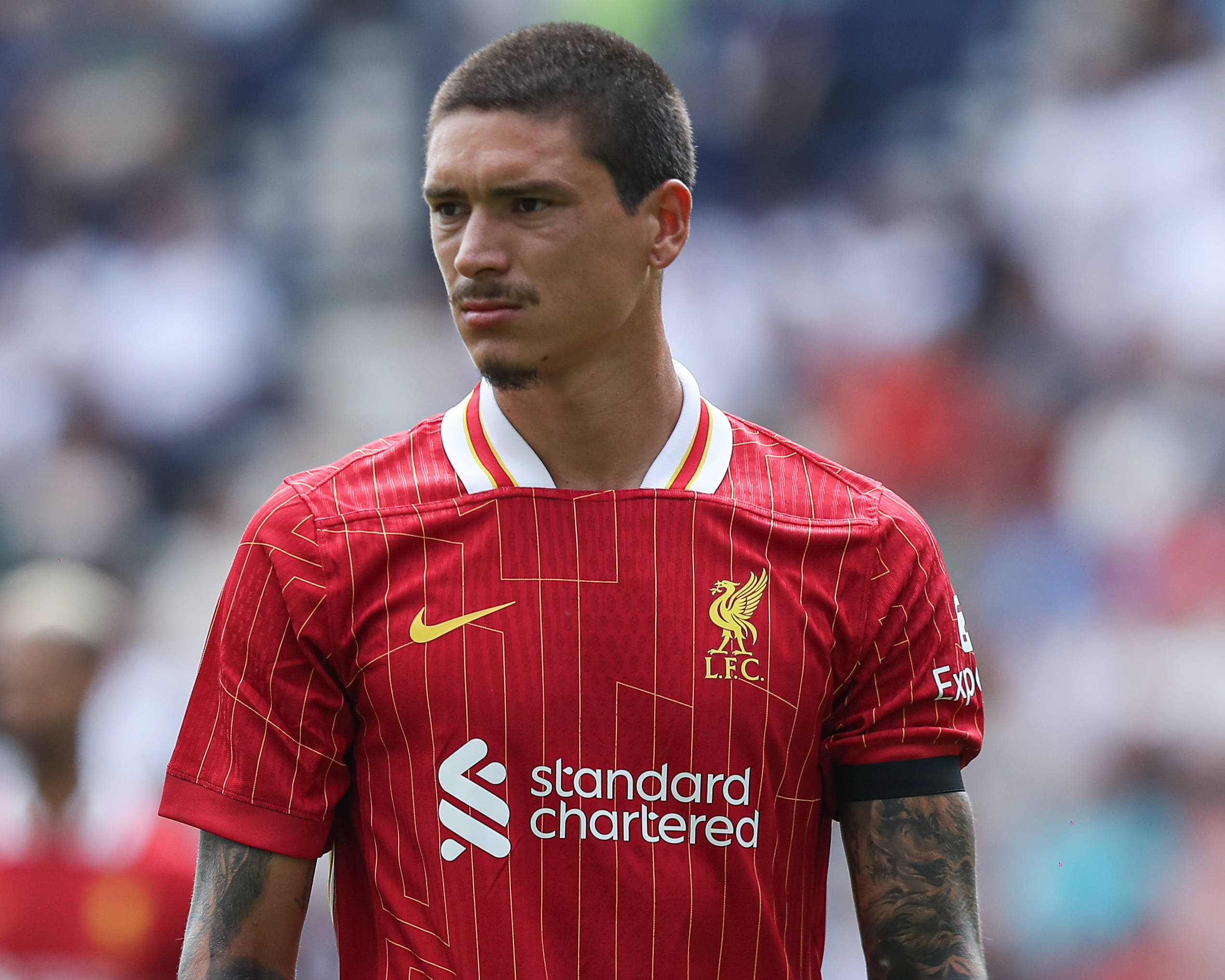
Al Hilal competition reshapes attacking hierarchy
Context matters. Al Hilal’s squad evolution has been ruthless, even by modern standards. The arrival of Karim Benzema shifted the attacking hierarchy overnight, reducing Nunez from a central figure to a peripheral one.
Gus Poyet offered a measured perspective on the situation, speaking candidly about his compatriot’s predicament. He explained:
“He’s not playing, very unlucky. Made a decision to move to Saudi, and then they signed Benzema. They took him out of the squad for the local league, so he can only play in the Asian Champions League, which is a problem. He’s not playing at all… but remember that we are quite crazy, players are all different.
Sometimes you are not playing in your team and you’re desperate to go with the national team, and you go and you give your best to show your club that you’re good enough. So it will depend on how he trains himself during this month-and-a-half that he’s not been playing…”
It is a nuanced view. Poyet recognises the unpredictability of footballers’ decisions while acknowledging the structural realities at Al Hilal. Competition at elite clubs, regardless of geography, remains unforgiving.
Simon Jordan delivers brutal verdict on Saudi move
Where Poyet offers empathy, Simon Jordan provides a far sharper edge. His assessment strips away sentiment and focuses on decision-making.
“Must have terrible sympathy for a 26-year-old that went to a sub-standard league for a big bag of money… he got what he deserved, I suspect.”
Jordan’s critique goes deeper than a single transfer. He frames Nunez’s move as a calculated trade-off: prestige and competitive relevance exchanged for financial gain.
He continued:
“At 26 years of age, to go to the Saudi league… because you’re going there for one reason. And that’s okay, perhaps, if you’re Ivan Toney, you’re 30 years of age, you’ve played at Brentford.
If you’re playing at Liverpool… I know that Liverpool don’t always pay the biggest money, that’s why Luis Diaz left. But the fact of the matter is, you’re still being paid very well and you’re playing for one of the iconic clubs. You exchange that to play in Saudi, and this is the consequence.”
It is a viewpoint that resonates with a broader debate in modern football. Timing is everything. For players in their peak years, the decision to step away from Europe’s top leagues can carry consequences that extend beyond club football, impacting international prospects and legacy.
World Cup implications add pressure on Nunez
For Nunez, the stakes extend beyond Al Hilal. With Uruguay fixtures looming against England and Algeria, and the 2026 World Cup on the horizon, his lack of regular football is no longer just a club issue.
Strikers rely on rhythm, sharpness, and confidence. Without consistent minutes, those attributes erode quickly. Selection becomes less certain, particularly when national teams have emerging alternatives competing for the same role.
At Liverpool, even during inconsistent spells, Nunez was immersed in high-intensity competition. At Al Hilal, his current reality is defined by absence rather than influence.
The broader lesson is stark. Transfers are rarely judged solely on financial terms. They are assessed over time, through performance, relevance, and trajectory. Right now, Nunez’s move to Al Hilal is being evaluated under a harsh light.
There remains time to reshape the narrative. A strong finish in continental competitions or a resurgence with Uruguay could yet shift perceptions. But as things stand, the gamble has not paid off.