
Bayern Munich Stand Firm as Olise Transfer Hopes Fade for Liverpool
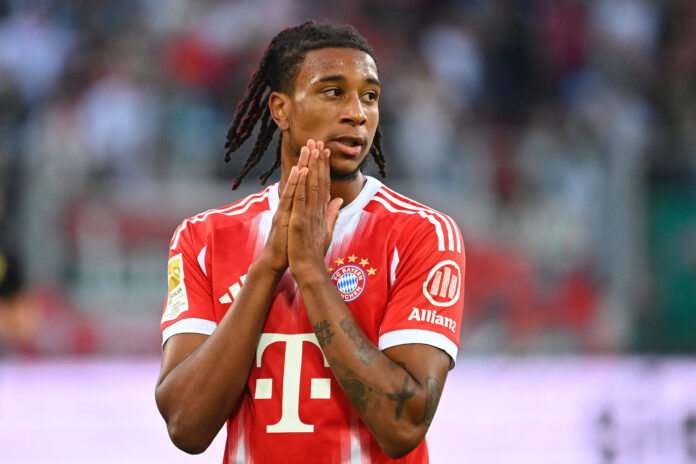
There are transfer sagas that simmer and those that are extinguished with ruthless clarity. This one appears firmly in the latter category. Bayern Munich have made their stance unmistakable: Michael Olise is not for sale.
According to the original source Talksport, Bayern powerbroker Uli Hoeness has decisively shut down speculation linking the Frenchman with a blockbuster move to Liverpool. Even figures approaching £173 million have failed to shift the German champions’ position. In an era where elite talent often feels transient, Bayern Munich are signalling something more traditional — control, stability, and a refusal to be dictated to by Premier League wealth.
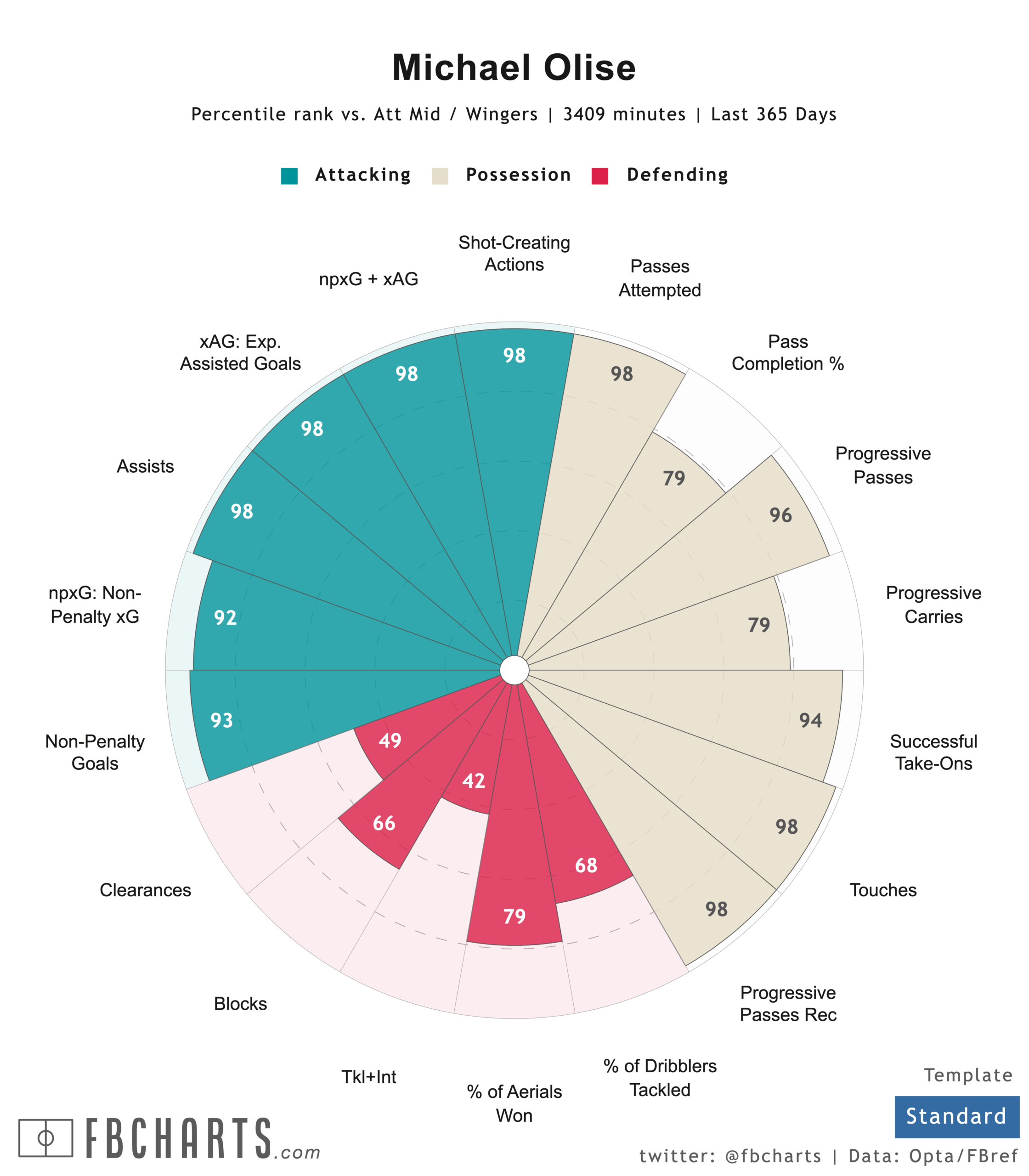
Olise, who arrived in 2024, has developed into one of Europe’s most complete attacking players. With 36 goals and 43 assists in 94 appearances, his output alone explains the growing interest. Yet Bayern’s posture suggests that numbers — even astronomical ones — are secondary to sporting ambition.
Liverpool search for Salah successor intensifies
Liverpool’s interest is hardly surprising. With Mohamed Salah set to depart after a glittering nine-year spell, the club faces a structural and emotional void. Replacing 255 goals and 122 assists is not simply about recruitment — it is about redefining an attacking identity.
Olise fits that profile. Technically gifted, positionally fluid, and decisive in the final third, he represents the modern wide forward. Reports suggest Liverpool were prepared to invest heavily, identifying him as a cornerstone of their next cycle.
But Bayern Munich’s refusal alters that trajectory. It forces Liverpool back into the market, recalibrating targets and timelines. RB Leipzig’s Yan Diomande has emerged as an alternative, though his output — 11 goals and eight assists — underscores the gap between potential and proven elite performance.
Hoeness delivers blunt message on transfer stance
If there was any ambiguity, Hoeness removed it with characteristic directness. His comments, quoted in full from the original source, leave little room for negotiation:
“Liverpool have already spent €500million [£432m] this year and are having a very poor season.
We won’t contribute to them playing better next year.
We play this game for our fans.
We have 430,000 members, we have millions of fans worldwide, and it doesn’t help them much if we have €200m [£173m] in the bank, but play worse football every Saturday because of it.”
It is a statement rooted as much in philosophy as finance. Bayern Munich are not merely rejecting a bid; they are rejecting a model. The implication is clear: success is not built by cashing in on elite performers but by retaining them.
Sporting director Max Eberl reinforced that message, dismissing the speculation outright and reiterating that Olise remains central to Bayern’s long-term plans.
Transfer market implications for Olise and Bayern Munich
For Olise, the situation is both a compliment and a constraint. Interest from clubs such as Liverpool — and even reported admiration from Real Madrid — confirms his elevation into football’s upper tier. Yet Bayern Munich’s stance effectively removes agency from the equation, at least for now.
From a broader perspective, this episode reflects a shifting dynamic in the transfer market. While Premier League clubs often dominate financially, Bayern Munich continue to operate with a distinct model — one that prioritises continuity and competitive integrity over short-term gain.
There is also a strategic dimension. Selling Olise, even for a record fee, would weaken a squad built to compete on multiple fronts. Retaining him strengthens Bayern’s attacking core and signals intent ahead of future European campaigns.
For Liverpool, meanwhile, the challenge intensifies. Replacing a generational talent like Salah was always going to be complex; losing a prime target like Olise compounds that difficulty. Recruitment will now require sharper scouting, smarter investment, and perhaps a willingness to develop rather than simply acquire ready-made stars.
In the end, this is more than a transfer story. It is a clash of philosophies — one club seeking renewal, another asserting control. And in that contest, Bayern Munich have made their position unequivocally clear.