
Liverpool’s identity has long been forged in the heat of European competition, and the 2025-26 campaign is proving to be no different. While domestic challenges often require a different kind of endurance, European nights demand a specific psychological edge; one that Liverpool appears to have rediscovered at a crucial juncture of the season.
The current atmosphere around the club is one of measured optimism as the quarter-finals approach. Fans are closely watching how the team balances a rigorous Premier League title race with the high-stakes demands of elite continental football.
This intersection of form and fitness is precisely what defines a team’s standing in the eyes of observers. In this blog, we will look at what Liverpool’s European form means for the current landscape and how recent performances are shaping expectations for the business end of the season.
The Impact of Recent Knockout Resilience
Momentum is a curious thing in football, often acting as a self-fulfilling prophecy. Liverpool’s recent Round of 16 second-leg performance against Galatasaray serves as a primary example of how one game can shift the entire narrative.
After a narrow 1-0 loss in Istanbul, many wondered if the Reds could break down a stubborn defensive unit. However, the 4-0 victory at Anfield on March 18 suggested that this side has the patience and clinical edge required for deep runs in the competition.
What was perhaps most impressive about that victory was the control displayed throughout the ninety minutes. Registering a high passing accuracy, Liverpool dictated the tempo, effectively neutralizing any threat of a counter-attack.
This level of technical security in European knockout ties is a hallmark of Arne Slot’s tenure so far. It suggests a maturity in the squad that allows them to remain calm under pressure, a trait that is highly valued when forecasting how a team might fare against the continent’s other heavyweights.
Squad Depth and Tactical Shifts
A significant factor in any team’s projected success is the availability of their key personnel. Liverpool has had to contend with its fair share of availability issues recently, with injuries to senior figures like Alisson Becker and Mohamed Salah creating a ripple effect through the starting eleven.
However, the emergence of Cody Gakpo and the defensive consistency of Virgil van Dijk (who has played almost every minute of the Champions League campaign) have helped stabilize the spine of the team during a busy March period.
These shifts in personnel and tactical adjustments naturally lead to fluctuations in how the team is viewed by analysts and supporters alike. When key players are sidelined, the betting odds for upcoming fixtures often reflect the perceived loss of individual brilliance, even if the collective system remains robust.
These changes are a reminder that football is rarely a static game. Tactical flexibility, such as moving Dominik Szoboszlai into more advanced roles, can often offset the absence of a traditional winger, keeping the team’s competitive edge sharp regardless of the lineup.
The integration of academy talents into the first-team rotation has provided a necessary cushion against the fatigue of a congested European calendar. This ability to maintain a high technical ceiling without over-relying on a single star player suggests a maturity in the squad’s construction.
Navigating the Quarter-Final Landscape
As Liverpool prepares for their quarter-final clash with Paris Saint-Germain, the focus turns to the intricacies of the home-and-away format. In this era of European football, where the away goals rule is a thing of the past, the emphasis has shifted toward total dominance over 180 minutes.
For Liverpool, the second leg at Anfield remains a significant asset, but the approach in the away leg has become more calculated. The goal is often to return to Merseyside with a manageable result, relying on the unique energy of the home crowd to see them through.
However, external factors such as the domestic schedule cannot be ignored. With high-profile matches against Manchester City and other top-four contenders sandwiching the European dates, the management of the squad’s energy levels becomes a sport in itself. Observers often look at these sandwich games to see if a manager will prioritize one competition over another.
For a club like Liverpool, the expectation is usually to compete on all fronts, but doing so requires a high degree of confidence in the peripheral members of the squad to step up when called upon.
Strategic rotation appears necessary to maintain this intensity, as the physical toll of these consecutive high-stakes fixtures can potentially influence late-game composure and overall tactical execution during the final whistle.
Maintaining a Strategic Perspective on the European Journey
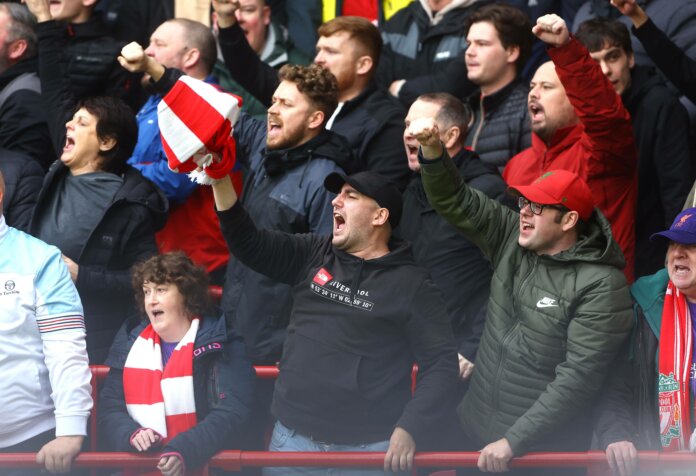
Engaging with the final stages of the Champions League is as much about psychological endurance as it is about physical talent. For the fans at Anfield, the journey is defined by the belief that any deficit can be overcome and any opponent can be conquered. This collective spirit is a powerful force, but it is most effective when paired with a realistic understanding of the challenges ahead.
Whether you are analyzing the tactical battle in the midfield or simply enjoying the spectacle of elite football, the key is to stay informed and appreciate the journey.
By maintaining a responsible and balanced outlook, supporters can fully immerse themselves in the drama of the European stage, trusting that the Reds have the pedigree to make 2026 another year to remember in their storied history.