
This Summer Could Be A Convenient Crossroads for FSG
There is a growing sense that Liverpool is approaching more than just the end of a difficult season — they are approaching a moment of calculated transition. An end-of-season review, followed by a mutual parting with Arne Slot, would not only reflect the reality on the pitch but also offer something equally valuable off it: control of the narrative.
Because make no mistake, the atmosphere around the club is shifting.
On one side, there is a team that has regressed — tactically uncertain, physically inconsistent, and lacking identity. On the other hand, there is increasing frustration among supporters, not just at performances but at decisions made above the pitch. Ticket price rises, structured over the next three years, have created a simmering discontent that will not simply disappear.
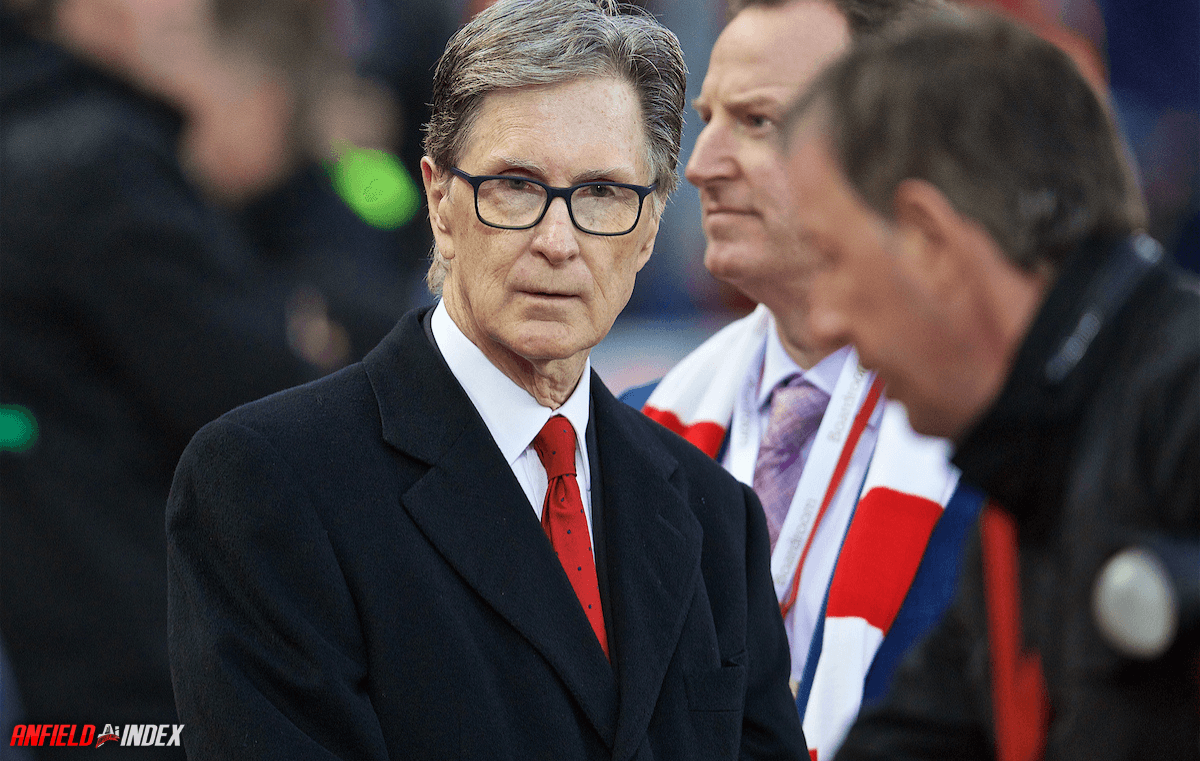
For Fenway Sports Group, this creates a delicate balancing act. Results alone no longer dictate the mood. Optics matter. Messaging matters. And timing, perhaps more than anything, matters.
Allowing Slot to see out the season — particularly as a reigning Premier League-winning coach — offers dignity. It avoids the optics of a mid-season dismissal and instead frames the decision as measured, respectful, and mutual. In short, it protects the club’s image while quietly preparing for change.
And that change could serve a far greater purpose.
Xabi Alonso and the Power of a Reset
If the end of Slot’s tenure is handled with care, what follows could be positioned as something far more powerful than a managerial switch — it could be framed as a cultural reset.
Enter Xabi Alonso.
Few names carry the emotional weight that Alonso does at Liverpool. A Champions League winner, a midfield architect, and a figure deeply respected by the fanbase, his arrival would immediately shift the tone. It would reconnect the club with its past while offering hope for the future.
And crucially, it would redirect attention.
Because while protests over ticket pricing and growing dissatisfaction with ownership are very real, football has always had a way of reframing conversations. A new manager — particularly one so closely tied to the club’s identity — can change the mood almost overnight.
This is not accidental. It is strategic.
Appointing Alonso would not just be about tactics or long-term planning. It would be about buying goodwill at a time when it is desperately needed. It would give supporters something to believe in again, something to rally behind, and perhaps most importantly, something to distract from the frustrations that have been building off the pitch.
That does not make the concerns disappear. But it does change the conversation. From protests to possibility. From pricing to progression. And for a club navigating both sporting and commercial pressures, that shift is invaluable.
A Decision Already Made?
There is an inevitability to all of this.
The performances have not been good enough. The messaging has grown tired. And the connection between manager and supporters feels increasingly strained. Whether publicly acknowledged or not, it feels like a decision has already been made.
The delay is not about uncertainty. It is about timing.
Allow Slot to finish the season. Allow him to leave with his reputation — and that Premier League title — intact. Then, when the moment is right, move decisively.
Bring in Alonso. Reframe the narrative. Reset the project. For Liverpool, this summer may not just be about rebuilding a squad.
It may be about rebuilding belief — and doing so in a way that serves both footballing ambition and public perception in equal measure.