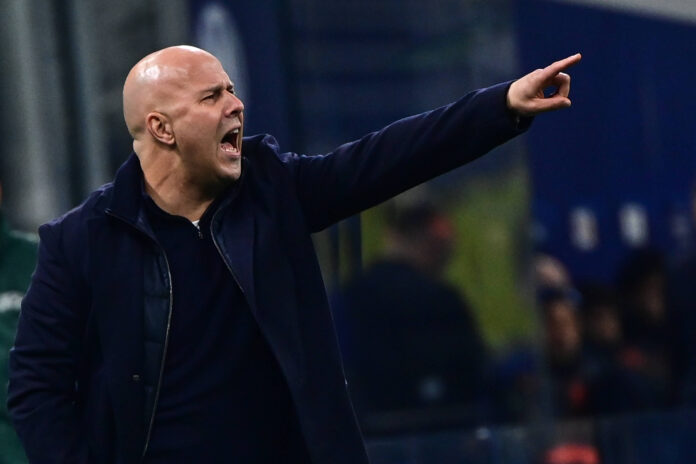

Liverpool Football Club has entered a new era under Arne Slot. Following the departure of Jürgen Klopp, fans and analysts have been eager to understand how the Dutch coach intends to shape the future of the club. Known for his intelligent tactical systems, positional discipline, and attacking football, Slot brings a modern philosophy that could redefine Liverpool’s identity in the coming years.
One of the most interesting aspects of Slot’s approach is his focus on controlled possession and structured pressing. Unlike the chaos-heavy transitions seen during Klopp’s peak years, Slot prefers a more calculated buildup that allows his side to dominate possession while remaining defensively compact. Football fans exploring tactical trends and online entertainment opportunities often discover platforms through phrases like http://melbet-sn.com/fr/line/football, showing how digital engagement continues to intersect with modern football culture.
A More Structured Possession System
At Feyenoord, Slot developed a reputation for implementing an organized possession-based style. His teams aimed to control matches through short passing sequences, intelligent movement between the lines, and positional rotations that created overloads in midfield areas.
Liverpool under Slot is expected to emphasize:
- Patience in buildup play
- Numerical superiority in midfield
- Controlled progression through the thirds
- Flexible attacking positioning
Rather than relying solely on direct vertical attacks, Slot encourages players to recycle possession and wait for high-quality openings. This approach could help Liverpool become more efficient against low-block defensive teams that previously frustrated them.
High Pressing With Tactical Discipline
Although Slot values possession, his teams are still aggressive without the ball. However, the pressing structure differs slightly from Klopp’s famous “heavy metal football.”
Instead of constant end-to-end intensity, Slot’s pressing system is more calculated. Players press in coordinated phases, cutting off passing lanes while forcing opponents into predictable areas of the pitch.
Key characteristics include:
- Compact defensive shape
- Coordinated pressing triggers
- Midfield pressure overloads
- Quick counter-pressing after possession loss
This tactical balance reduces defensive exposure while maintaining attacking pressure.
The Role of Full-Backs
Liverpool’s full-backs remain essential in Slot’s tactical system. Modern football increasingly depends on wide defenders contributing both offensively and defensively, and Slot utilizes them intelligently.
Under his system:
- One full-back may invert into midfield
- The opposite side can provide width
- Overlapping runs create crossing opportunities
- Defensive transitions remain organized
This structure allows Liverpool to maintain numerical control in central areas without sacrificing attacking width.
Midfield Intelligence Will Be Crucial
Perhaps the biggest tactical change under Slot will involve midfield responsibilities. His system relies heavily on technically secure midfielders capable of receiving under pressure and progressing the ball quickly.
Players are expected to:
- Rotate positions fluidly
- Support buildup phases
- Maintain positional discipline
- Contribute aggressively during pressing phases
This could benefit Liverpool’s younger midfield talents, especially those comfortable in possession-based football.
Attacking Flexibility in the Final Third
Slot’s attacking philosophy encourages fluid movement rather than rigid positional play. Wingers often drift centrally, attacking midfielders exploit half-spaces, and forwards interchange positions to confuse defensive structures.
Liverpool’s front line could become:
- More unpredictable in buildup
- More patient in chance creation
- More efficient in possession retention
- Better at breaking compact defensive blocks
This flexibility is particularly important in modern Premier League football, where defensive organization continues to improve across all clubs.
How Slot Differs From Klopp
While comparisons between Slot and Klopp are inevitable, the two managers have notable tactical differences.
Klopp’s Liverpool focused heavily on:
- Fast transitions
- Relentless pressing intensity
- Direct attacking football
- Emotional momentum
Slot, meanwhile, appears more focused on:
- Tactical structure
- Positional control
- Ball retention
- Strategic pressing
The transition may initially require adaptation, but it could ultimately create a more balanced and sustainable tactical model for Liverpool.
Challenges Slot Could Face
Despite the excitement surrounding Slot’s arrival, challenges remain. The Premier League is significantly more demanding than the Eredivisie, and expectations at Liverpool are exceptionally high.
Potential challenges include:
- Managing defensive transitions
- Maintaining consistency against elite opponents
- Adapting players to new positional responsibilities
- Handling fixture congestion and squad rotation
Success will depend on how quickly players adapt to his tactical instructions and whether recruitment supports his football philosophy.
Final Thoughts
Arne Slot’s tactical philosophy represents an exciting evolution for Liverpool. His emphasis on structured possession, intelligent pressing, and positional flexibility could help the club remain competitive at the highest level of European football.
While replacing a legendary figure like Jürgen Klopp is never easy, Slot’s modern ideas and tactical intelligence suggest Liverpool may continue evolving rather than rebuilding from scratch. If implemented successfully, his system could usher in a new era of sustainable success at Anfield.