Liverpool’s 2025-26 season was not clean, but consistency in Europe is not built only from trophies. It finished fifth in the Premier League with 60 points and still secured Champions League qualification, reached the Champions League quarterfinals, and ended the Arne Slot era with the 2024-25 title still fresh in the cabinet. That is the odd shape of Liverpool’s current standing: below its own standard in the league, still inside the European tier that most clubs spend years chasing. The club changed managers on May 30, 2026, but the working parts remain visible at Anfield.
The Standard Was Set Before the Dip
Liverpool’s 2024-25 title under Slot still matters because it reset the floor after Jürgen Klopp’s departure. The club clinched its 20th English top-flight title with a 5-1 win over Tottenham Hotspur on April 27, 2025, and at that stage, Slot’s side had 25 wins, seven draws, and two defeats in the league. That was not a soft landing for a new coach. It was a reminder that Liverpool’s model can absorb a managerial handover when the recruitment, conditioning, and dressing-room hierarchy remain stable. The 2025-26 drop to 60 points made the title season look sharper, but it did not erase the machinery behind it.
Europe Still Reads Liverpool Differently
The Champions League told a similar story with a harsher ending. Liverpool beat Atlético de Madrid 3-2 at Anfield in September, won 5-1 away at Eintracht Frankfurt in October, beat Real Madrid 1-0 in November, and then closed the league phase with a 6-0 win over Qarabağ on January 28. PSG stopped it in the quarterfinals, winning 4-0 on aggregate, and that scoreline hurt because Liverpool rarely looked comfortable once Paris controlled the second balls. Still, the route itself mattered: round of 16, quarterfinal, another season inside the competition’s serious bracket. Europe keeps asking Liverpool questions; it keeps returning with answers, even imperfect ones.
Anfield Gives the Team a Base
Liverpool’s consistency is not only tactical; it is environmental. Anfield still changes the first 15 minutes of a European night because opponents expect pressure before they have settled into their passing lanes. The small observation from many of its home performances is how often the first press comes from the front three before the midfield line jumps, trapping the ball near the touchline rather than chasing it in the center. Virgil van Dijk’s positioning, Alisson’s security behind the line, and the crowd’s reaction after one blocked clearance can turn a loose ball into five minutes. That is not nostalgia. It is match pressure.
Betting Screens Follow the Same Patterns
Liverpool games also create a familiar digital rhythm for supporters who track markets during matchdays. A bettor watching a European tie at Anfield should not stop at the score; the useful read sits in territory, corner pressure, rest defense, and whether Liverpool’s fullbacks are receiving high enough to pin the winger. The behavior across all betting apps tends to look the same when Liverpool scores early: totals shift, live spreads tighten, and card markets can move if the opponent starts breaking counters with fouls. The sharper move is to read the field before the price. If Liverpool’s first line keeps forcing backward passes, the market usually catches up late.
The Midfield Is the Real Thermometer
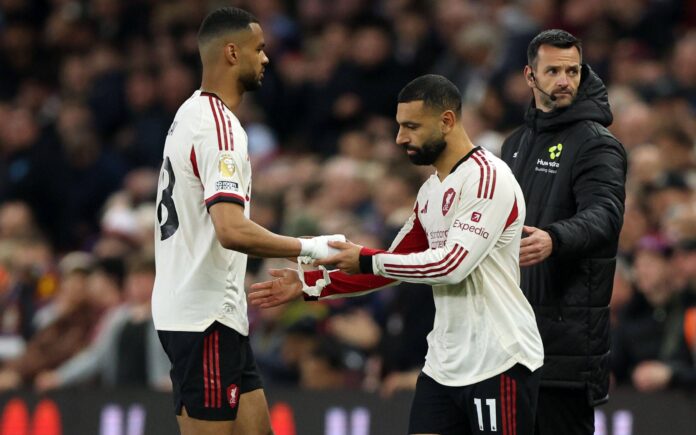
Liverpool’s better spells still come when its midfield controls the second phase. Alexis Mac Allister gives the team angles under pressure, Dominik Szoboszlai brings verticality, and Ryan Gravenberch can carry through the first challenge when the press opens up. When that line stretches too far, as it did in bad league spells during 2025-26, the back four has to defend bigger spaces and the forwards spend more time sprinting back than attacking. One detail usually gives it away: if Liverpool’s No. 6 receives with his back to goal three times in a row, the next attack often dies before Mohamed Salah or Cody Gakpo can isolate.
The Badge Still Moves Markets
The last-but-one section belongs to perception, because Liverpool’s name still feels different from that of most fifth-place sides. A user checking MelBet before a Liverpool match may see that weight in the pre-match line, but the sensible read still needs current form, lineup news, injuries, and whether Van Dijk has a settled partner beside him. The club’s 2025-26 finish was not title form, yet Champions League qualification and a quarterfinal run kept it in the category of teams nobody wants in a two-leg tie. Liverpool’s market gravity comes from years of European evidence, not from one Saturday result. That can be useful, but it can also overprice reputation.
The Next Version Has to Earn It
Liverpool’s next stage begins with the same uncomfortable truth: consistency has to be renewed, not admired. Slot left after delivering the 20th league title and guiding the club back into the Champions League, but the club statement also made clear that a change of direction had become necessary. The squad still has elite leaders, European habits, and a stadium that can squeeze mistakes from strong opponents. The gap now is smaller and harder: turn a 60-point season back into an 80-point challenge without losing the European edge that made Anfield matter in the first place.