





Few clubs in English football have a transfer history as rich, varied, and occasionally baffling as Liverpool. From the days when Bill Shankly built a dynasty with astute signings on modest budgets to the data-driven recruitment model that brought the club its first league title in thirty years, the way Liverpool have operated in the transfer market has shaped not just the club but the wider conversation about how football clubs should be built.
The Shankly Era: Building from the Ground Up
When Bill Shankly arrived at Liverpool in 1959, the club was in the Second Division. His early signings were not glamorous but they were purposeful. He identified players who suited the direct, high-energy style he wanted to impose and built a squad that felt like a team rather than a collection of individuals.
The signing of Ron Yeats as captain and Ian St John as a centre-forward gave Shankly the spine around which everything else was built. Both arrived from Scottish football, which was a common recruiting ground for English clubs at the time, and both transformed Liverpool’s fortunes almost immediately.
Shankly’s transfer philosophy was about character as much as quality. He wanted players who worked hard, cared about the club, and could handle the Anfield atmosphere. That philosophy was cultural as much as tactical.
The Boot Room Continuation: Paisley and Fagan
Bob Paisley continued and extended the work Shankly had built, and his time in charge produced some of the most important signings in the club’s history. Kenny Dalglish arrived from Celtic in 1977 as a replacement for Kevin Keegan and went on to become arguably the greatest player ever to wear the red shirt.
Alan Hansen, Graeme Souness, and Terry McDermott were all Paisley signings who formed the core of a squad that dominated European football. The transfer fees involved were significant but not extravagant. The club was buying quality at the right price rather than spending to win.
Joe Fagan’s brief tenure continued the same tradition, and the double European Cup winning teams of the late 1970s and early 1980s remain a benchmark against which all subsequent Liverpool squads are measured.
The Turbulent Middle Years
The late 1980s through the 1990s represented a more difficult period for Liverpool in the transfer market. Some significant fees were spent on players who did not deliver what had been hoped. The gap between Liverpool and the newly empowered Manchester United widened, and the transfer decisions that contributed to that gap are still discussed.
There were highlights within the struggle. Robbie Fowler’s emergence as a homegrown talent rather than a signing masked some of the recruitment shortcomings of the period. Steve McManaman represented another case of the academy delivering where the transfer market had not.
The arrival of Gerard Houllier brought a more structured approach to recruitment, and signings like Sami Hyypia represented excellent value. But the consistency of the earlier eras proved elusive.
The Benitez Signings: Mixed Results
Rafael Benitez brought Champions League football back to Liverpool and produced some notable transfer coups. Xabi Alonso arrived in 2004 and quickly established himself as one of the best midfielders in the Premier League. Fernando Torres came in 2007 and was for two seasons arguably the best striker in the world.
But for every Alonso there was a Robbie Keane, signed and sold within months at significant financial loss. The record under Benitez was one of occasional brilliance and frequent inconsistency, reflecting the financial limitations the club operated under compared to their title rivals at the time.
Turkish Liverpool fans who follow the club closely through sites and platforms including hititbet kumarhanesi nasıl oynanır will be well aware of the debates around this era, as the Benitez years remain a vivid part of recent club memory for supporters around the world.
Klopp and the Data Revolution
Jurgen Klopp’s arrival in 2015 coincided with a fundamental change in how Liverpool approached recruitment. The partnership between the manager and the club’s analytics department produced a series of signings that, in retrospect, look extraordinary in their foresight.
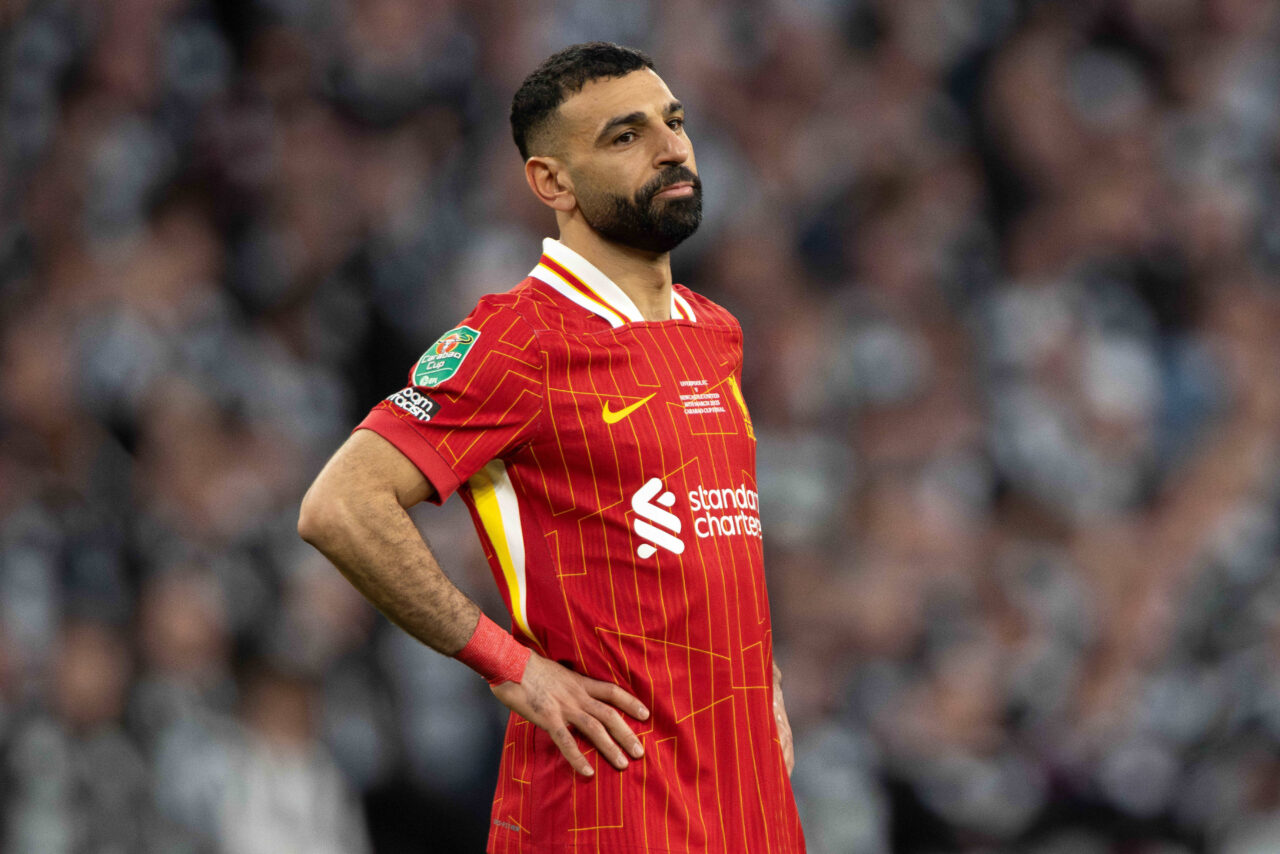
Mohamed Salah was signed from Roma having previously been sold by Chelsea. Sadio Mane came from Southampton. Roberto Firmino arrived from Hoffenheim. None of these were the obvious marquee signings of the type that attract immediate headlines, but all three formed one of the most devastating attacking trios in European football.
Virgil van Dijk’s arrival transformed the defence. Alisson Becker did the same for the goalkeeping position. The club went from a team that conceded soft goals regularly to one of the best defensive units in the league within two seasons.
What Liverpool’s Transfer History Teaches Us
The through-line in Liverpool’s most successful transfer periods is not spending power. It is clarity of vision. The clubs that have built the most durable squads have known what kind of player they needed, where to find them, and what price represented genuine value.
The Klopp era demonstrated that data and scouting can identify players who fit a system before their market value reflects their ability. The Shankly era demonstrated that culture and character can be recruited for just as deliberately as technical skill.
The eras that struggled tended to be those where the recruitment lacked a clear philosophy or where short-term pressures led to signings that prioritised reputation over fit. That is a lesson that extends well beyond Liverpool.