
Footy fans never forget a good comeback. The side down three goals at the break. The team every expert wrote off. The bloke who skied a penalty then banged in the winner minutes later. These stories stick around way longer than boring old wins. They also shift how the game gets played. Coaches study the tape. Players draw belief from them. And every few years, someone pulls off something that looks bloody impossible.
Istanbul 2005 – The Night Footy Broke
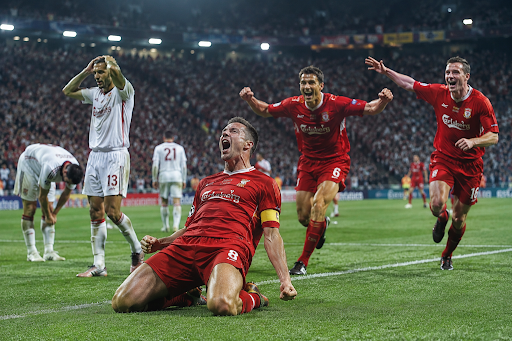
Liverpool were dead and buried. 3-0 down to AC Milan at half-time in the Champions League final. Game over. Milan had better players, more big-game experience, and total control. Then six minutes of absolute mayhem. Stevie G headed one back. Vladimir Šmicer lashed a low drive into the corner. Xabi Alonso smashed in the rebound from his own saved penalty. Three goals in six minutes. Level. Went to penalties. Liverpool won.
That night didn’t just give Liverpool a trophy. It changed how the whole sport thought about late deficits.
- No lead feels safe anymore – Teams up 2-0 or 3-0 now rabbit on about “game management” instead of just relaxing. The fear of a Liverpool-style choke keeps them honest.
- Squad depth went up in value – Liverpool brought on fresh legs while Milan’s stars were cooked. Modern gaffers rotate earlier because of that lesson.
- Mind coaches got busy – Clubs hired more sports psychologists after Istanbul. Learning to reset after a setback became an actual skill you could measure.
Liverpool didn’t just pinch a trophy. They proved no match is done until the whistle goes. Every comeback since gets measured against that mad night in Turkey.
Late Turnarounds Work the Same Way in Other Games
The appeal of late comebacks isn’t limited to footy. A platform like online pokies Australia gets this through its live updates. The online casino app pings you when things change, keeping you in the loop without staring at the screen. Pokies online sessions can flip wildly in the last few spins, turning a losing bash into a winner. Online pokies Australia casino tables let you surrender or take insurance, giving punters a second crack built into the rules. The parallel’s obvious. The game isn’t over until it’s over.
Barcelona 2019 – When the First Leg Didn’t Matter
Liverpool again, but this time they were the ones chasing. Barcelona smacked them 3-0 at the Camp Nou. No away goals. No dodgy calls. Just a comfortable arse-kicking from Messi and mates. The second leg at Anfield was meant to be a dead rubber.
Liverpool won 4-0.
Divock Origi bagged two. Gini Wijnaldum grabbed another two. Barcelona looked shell-shocked, absolutely cooked by the noise, the intensity, the sheer bloody belief of the home crowd. The comeback was so mental it overshadowed the final, which Liverpool also won.
What made this different from Istanbul? Tech. VAR was in play by 2019. Every decision got scrutinised. Every goal checked. Yet the comeback still happened. The lesson wasn’t about luck or refs screwing up. It was about atmosphere. Anfield became a weapon in a way no spreadsheet could measure.
Other Comebacks That Don’t Get Enough Run
Istanbul and Anfield hog the spotlight. But plenty of other turnarounds shifted clubs and competitions without the same fanfare.
- Manchester United 1999 – Down 1-0 to Bayern Munich in the Champions League final with minutes left. Two goals in injury time from Teddy Sheringham and Ole Gunnar Solskjær. The treble was done. United’s rep for late magic lasted for years after.
- Deportivo La Coruña 2004 – Lost 4-1 to AC Milan in the first leg of the Champions League quarters. Won the second leg 4-0. No one remembers because Milan, not Depor, took the whole thing. But the upset changed how Italian sides approached away legs.
- Newcastle United 2001 – Down 3-0 to Arsenal at half-time. Finished 3-3. Alan Shearer missed a penalty then made up for it. The comeback saved Bobby Robson’s job and kept Newcastle in the Champions League hunt that season.
Each of these examples had different mechanics. United’s was about set pieces and chaos. Depor’s was about tactical adjustment. Newcastle’s was about sheer stubbornness. But all of them proved that halftime deficits are not death sentences.
What Makes a Comeback Possible
Not every team can pull off a Istanbul or an Anfield. Certain conditions need to align. When they do, comebacks become more likely:
- Early goal in the second half – The team chasing needs something to believe in. A goal within the first fifteen minutes after the break changes the entire emotional landscape.
- Squad depth without quality drop – Fresh legs against tired ones win second halves. Teams with strong benches can afford to run more in the final thirty minutes.
- Opponent mental fragility – Some teams have a history of collapsing. Playing against them, the chasing side knows a breakthrough is possible. Self-belief feeds on opponent doubt.
Modern coaching has become more data-driven, but comebacks remain resistant to analytics. You can’t model belief. You can’t predict anfield noise. That unpredictability keeps football interesting.