
Liverpool’s 30% investment talks could signal major FSG succession plan
Liverpool could be approaching one of the most significant ownership developments of the Fenway Sports Group era, with discussions reportedly taking place over a potential 30% investment in the club.
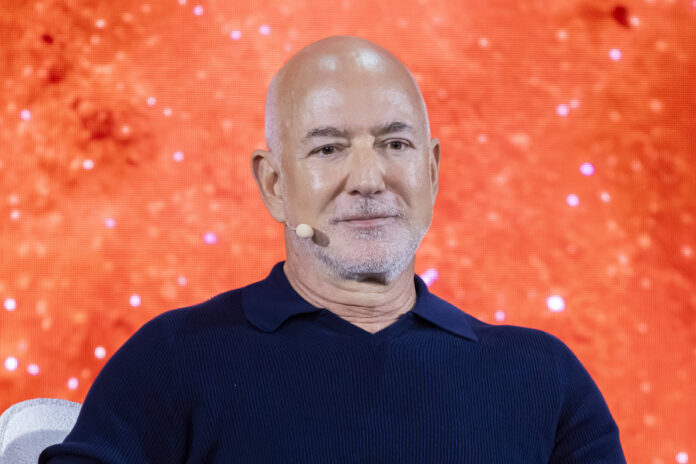
The proposed deal is understood to involve a consortium led by former Queens Park Rangers co-owner Amit Bhatia, who recently stepped down from a position he had held for 18 years. Members of the Mittal family are also reported to be involved, while Jeff Bezos has been linked with talks surrounding the consortium.
Speaking on the Media Matters podcast, journalist David Lynch described the situation as “a big story”, particularly because of the scale of the possible investment and the financial strength of those involved.
Early suggestions had indicated that Liverpool might pursue another relatively modest arrangement similar to the club’s agreement with Dynasty Equity. That transaction involved a small minority position and was primarily intended to strengthen Liverpool’s balance sheet after a period of significant infrastructure spending.
However, the possibility of a 30% investment would represent something entirely different. Rather than simply providing additional working capital, it could reshape the long-term ownership structure at Anfield.
Dynasty comparison highlights scale of proposed deal
Dynasty Equity completed its minority investment in Liverpool in 2023, with the agreement widely viewed as a means of reducing bank debt and supporting expenditure connected to Anfield’s redevelopment, the AXA Training Centre and the club’s transfer activity.
The percentage acquired by Dynasty was small enough to leave FSG’s control untouched. A 30% investment, by contrast, would mean more than a quarter of Liverpool changing hands.
That distinction is crucial.
Lynch explained that another Dynasty-style arrangement involving only a few percentage points would have been relatively insignificant in ownership terms. He argued that surrendering a stake as substantial as 30% would be unlikely to represent a simple fundraising exercise.
“You are not giving that up as just kind of working capital,” he said. “To me, this is the start of something.”
Reports have suggested that the proposed valuation could reach approximately $6 billion, or around £4.5 billion. Even allowing for negotiations over the final structure and price, the figures underline how dramatically Liverpool’s value has increased since FSG completed its takeover in 2010.
An investment of this size would also require a consortium with exceptional resources. Bhatia’s existing football experience provides one element, while the potential involvement of the Mittal family and Bezos would add considerable financial power.
FSG exit route begins to take shape
Any immediate change in Liverpool’s operating model would be far from guaranteed.
FSG has consistently run the club according to a self-sustaining strategy, with football expenditure closely linked to revenue. The arrival of wealthy minority investors would not necessarily mean Liverpool suddenly abandoning that approach or entering a spending contest with state-backed rivals.
Lynch suggested that FSG would be expected to continue running Liverpool in broadly the same manner while it remained the controlling shareholder.
“I think for as long as FSG own the club, it’s going to be self-sustaining,” he said.
Liverpool have already demonstrated that they can commit major resources to transfers and salaries. The club have maintained one of football’s largest wage bills and have spent heavily when their recruitment team has identified priority targets.
The importance of a 30% investment therefore lies less in the prospect of an immediate transfer windfall and more in what it might mean several years from now.
A substantial minority position could provide a consortium with an established route towards full ownership. It would allow incoming investors to understand the club’s operation, build relationships with FSG and place themselves in a strong position should the Americans eventually decide to sell their remaining shares.
Lynch said the proposal appeared to create “a path towards an FSG exit, probably more obviously than we’ve seen at any time during their tenure”.
Liverpool value may be approaching its peak
FSG’s owners have overseen a complete transformation of Liverpool’s commercial and sporting position.
During their tenure, Liverpool have won every major honour available, increased Anfield’s capacity, constructed a modern training centre and rebuilt the club’s global commercial operation.
Those achievements may now form part of the calculation.
Liverpool’s value has risen enormously, but the wider football market is becoming increasingly expensive. Transfer fees and player wages continue to grow, while domestic television revenues may no longer be capable of increasing at the same speed as they did during previous rights cycles.
For FSG, that could make this an attractive moment to begin reducing its position while retaining control during a managed transition.
There remains no certainty that the consortium will complete a 30% investment. The negotiations could change, the final percentage could be smaller, or the talks could ultimately fail to produce an agreement.
Nevertheless, Bhatia’s departure from QPR and the calibre of investors being discussed suggest this is more than casual interest.
Liverpool supporters should not automatically expect the proposed deal to finance an immediate spending spree. Its true significance may instead concern succession, control and the eventual identity of the club’s next owners.
Dynasty provided Liverpool with financial support without altering the balance of power. A 30% investment could become the first meaningful step towards transferring that power altogether.