
Barcola Hat-Trick Lights Up Champions League Thriller
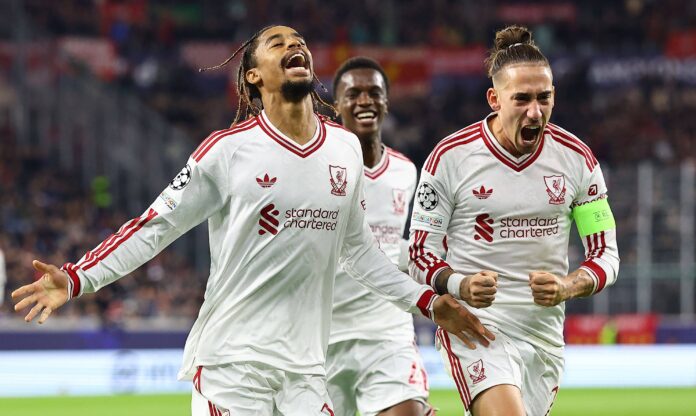
Liverpool rediscovered their attacking appetite on a remarkable Champions League evening in Austria, with Bradley Barcola delivering a magnificent hat-trick as Andoni Iraola’s side overwhelmed LASK 6-3 in a contest that offered considerable encouragement and a few uncomfortable reminders of their defensive frailties.
Nine goals, three for Liverpool’s £123million Frenchman, a first Champions League goal for Lewis Koumas and a performance of growing authority from Florian Wirtz. It was an evening rich in incident, occasionally bordering on the absurd, and ultimately one that Liverpool desperately needed after the humiliation inflicted upon them by Manchester City at Anfield.
Yet there was something peculiarly Liverpool about the proceedings. Six goals scored, three conceded, and the lingering suspicion that the road towards genuine recovery remains littered with hazards.
Bradley Barcola Announces Himself in Liverpool Colours
There are occasions when the burden of expectation becomes almost visible upon a footballer’s shoulders. For Barcola, Liverpool’s nine-figure acquisition from Paris Saint-Germain, the opening weeks of his Anfield career had brought increasingly impatient scrutiny.
Six appearances without a goal had apparently been sufficient for some to question the wisdom of the investment.
Football’s impatience has rarely been more voracious.
In Linz, the 24-year-old provided an answer of considerable eloquence.
Ronald Araujo had already given Liverpool the lead in the 22nd minute, rising majestically to meet Kostas Tsimikas’ corner and directing a powerful header beyond Lukas Jungwirth.
Within two minutes, Barcola had doubled the advantage.
Rio Ngumoha’s penetrating run unsettled the Austrian defence, Koumas showed admirable composure to keep the attack alive, and Barcola swept his finish beyond the goalkeeper.
The relief was palpable.
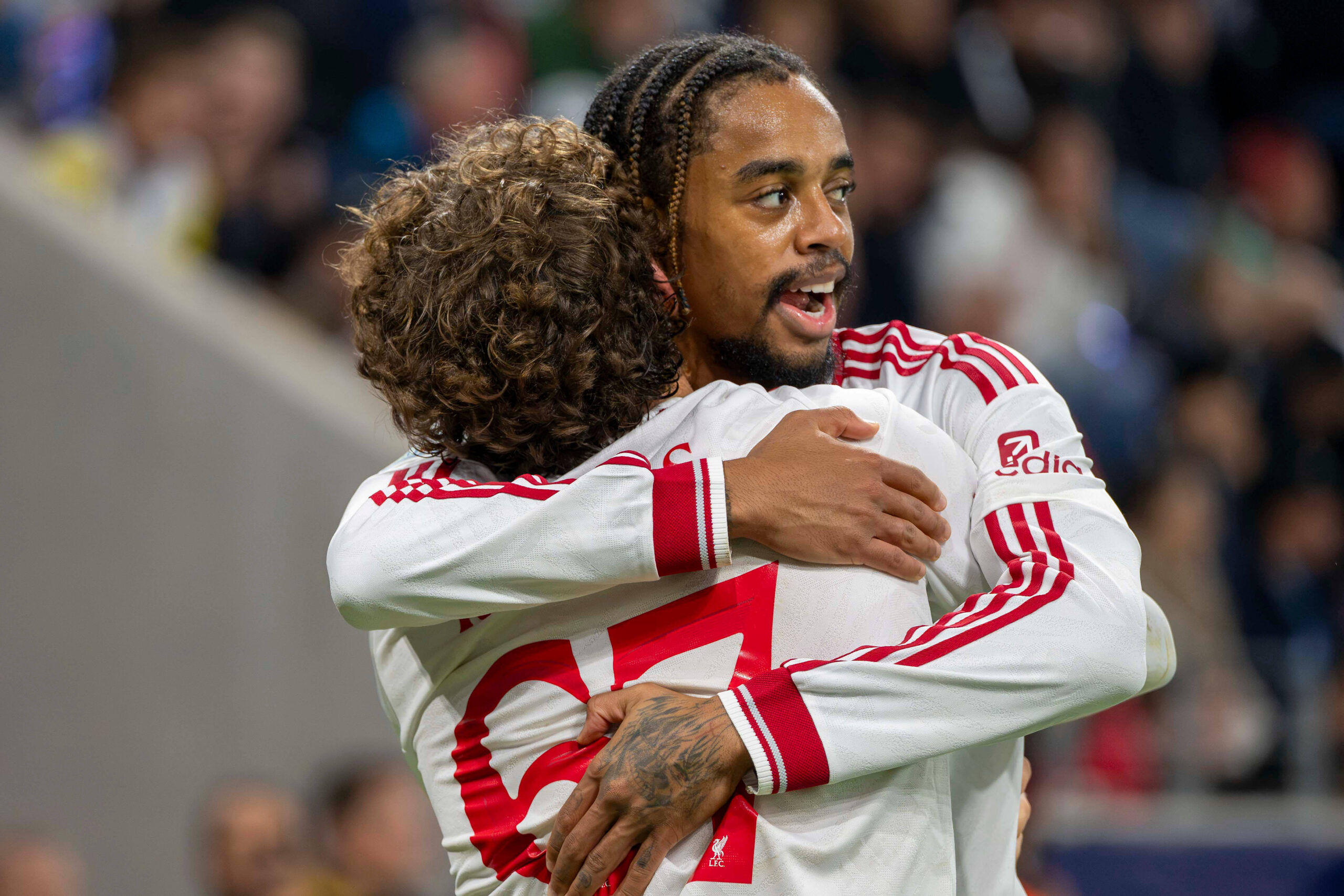
His second arrived courtesy of Wirtz, whose beautifully weighted pass dissected the home defence with surgical precision. Barcola accepted the invitation, finishing confidently to establish a commanding 3-0 advantage before half-time.
His third, a straightforward conversion from Jeremie Frimpong’s low delivery midway through the second period, completed a memorable evening.
The quality of opposition demands perspective. LASK afforded Liverpool space that Manchester City would never contemplate surrendering. Nevertheless, goals possess an extraordinary restorative quality, particularly for expensive footballers struggling beneath the weight of public expectation.
Barcola departed Austria with his first Liverpool goals, his first Champions League hat-trick and, perhaps most importantly, renewed conviction.
Florian Wirtz Finds His Rhythm as Liverpool Attack Flourishes
If Barcola provided the evening’s defining spectacle, Wirtz offered something potentially more significant for Liverpool’s longer-term ambitions.
The German’s difficult adaptation has attracted considerable attention, with his performances against elite opposition failing to reflect the enormous investment made in his abilities.
Against LASK, there were unmistakable glimpses of the footballer Liverpool believed they were purchasing.
His movement between the lines repeatedly disturbed the hosts’ defensive organisation. His passing possessed imagination and purpose, while his understanding with Barcola suggested a partnership capable of developing into something formidable.
Iraola had insisted before kick-off that he retained “one hundred per cent” faith in his expensive attacking recruits.
Both rewarded that confidence.
Liverpool’s tactical approach was particularly adventurous. With Trey Nyoni operating as the deepest midfielder, Ryan Gravenberch advanced aggressively, allowing Wirtz to roam into dangerous positions while Frimpong provided width.
At times, Liverpool’s attacking structure resembled a 3-1-6 formation, an arrangement designed to suffocate LASK through overwhelming numerical superiority in advanced areas.
The results were spectacular.
Nineteen first-half attempts illustrated Liverpool’s dominance, although the freedom afforded by their opponents makes definitive conclusions premature.
Saturday’s visit to Brentford will provide a sterner examination of whether this attacking improvement represents genuine progress.
Lewis Koumas and Liverpool Youngsters Seize Their Opportunity
Among the evening’s more heartening developments was the contribution of Liverpool’s emerging generation.
Koumas, Ngumoha and Nyoni started together in one of the youngest Liverpool line-ups assembled for a Champions League fixture.
Their performances vindicated Iraola’s willingness to trust youthful enthusiasm.
Koumas was particularly impressive.
Twice denied goals by the offside flag, the 21-year-old might reasonably have concluded that fortune had abandoned him. Instead, he continued working, pressing and threatening until his persistence was rewarded with a composed first-time finish for Liverpool’s sixth.
His contribution to Barcola’s opening goal had already demonstrated his intelligence and awareness.
Ngumoha, meanwhile, offered directness and invention from the right flank, helping create Liverpool’s second goal and contributing to the move that completed Barcola’s hat-trick.
Nyoni displayed a maturity that occasionally made his relative inexperience difficult to comprehend. His distribution was assured, his positioning intelligent and his willingness to receive possession under pressure encouraging.
For a Liverpool squad whose depth has been questioned, such performances carry considerable value.
Defensive Vulnerability Clouds Liverpool’s Nine-Goal Spectacle
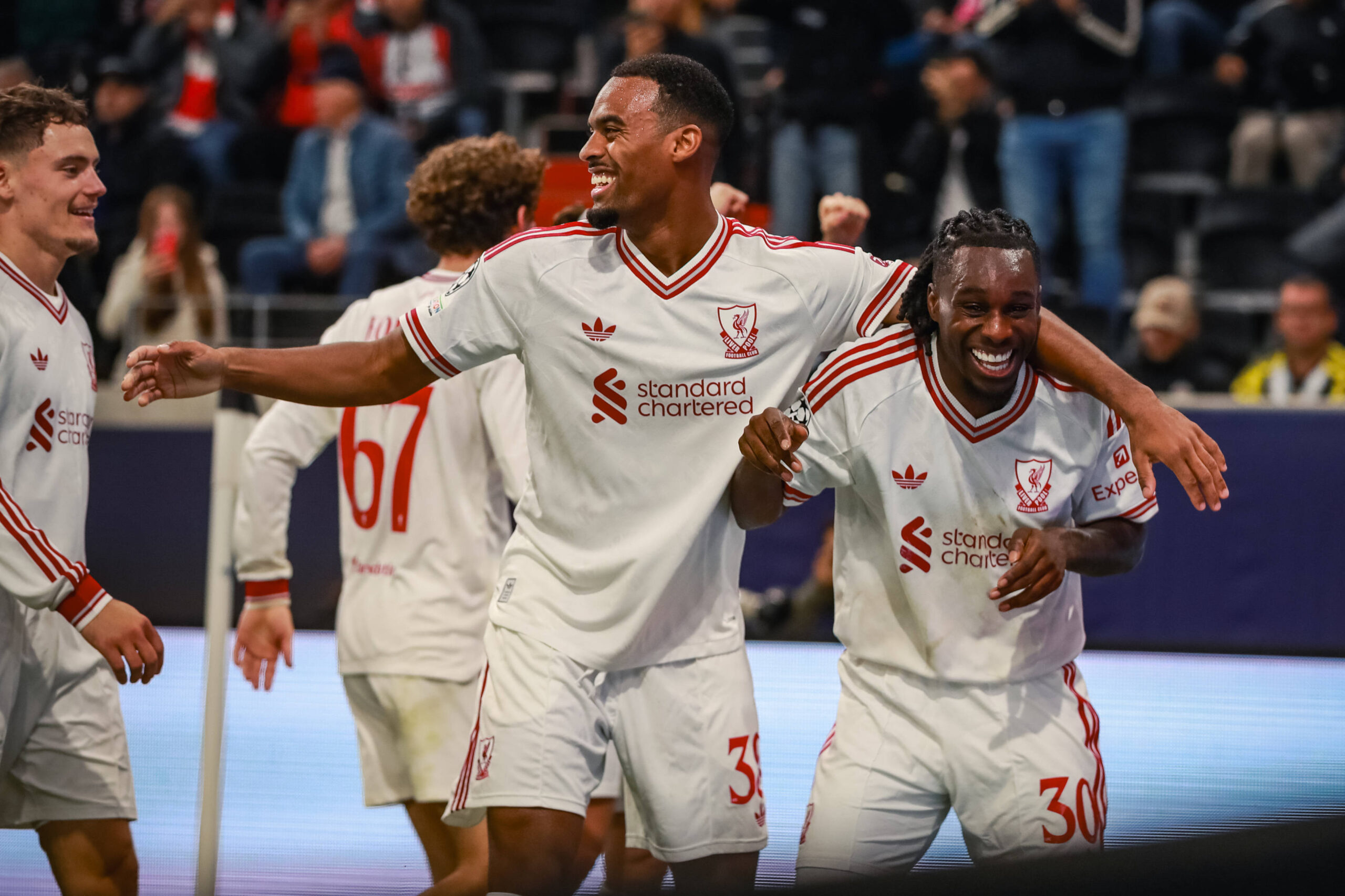
Frimpong’s header from another excellent Tsimikas delivery had established a 4-0 advantage shortly after the interval.
Robert Ljubicic subsequently reduced the deficit, before Barcola and Koumas extended Liverpool’s lead to 6-1.
At that stage, the evening appeared destined to conclude as an uncomplicated celebration.
Florian Flecker had other ideas.
The substitute struck twice late on, exposing weaknesses that have become disturbingly familiar throughout Liverpool’s turbulent season.
The defensive organisation deteriorated, pressure became inconsistent and Frimpong’s flank offered LASK repeated opportunities.
Three goals conceded against opponents so thoroughly outclassed for much of the contest cannot be dismissed as an insignificant footnote.
Iraola’s attacking philosophy demands courage, mobility and collective discipline. When those principles function together, Liverpool can overwhelm opponents. When concentration falters, the spaces left behind become invitations for punishment.
That contradiction was evident throughout an extraordinary evening.
Liverpool have now recorded successive Champions League victories, and Barcola’s emergence offers genuine grounds for optimism. Wirtz looks increasingly capable of influencing matches, while the younger players continue to demonstrate their worth.
But the celebrations must be accompanied by sober reflection.
A team capable of scoring six goals in Europe possesses obvious attacking resources. A team conceding three against LASK still has considerable work ahead.
For Iraola, the challenge is to preserve the exuberance while restoring the defensive authority Liverpool will require against opponents considerably more accomplished than the Austrian champions.
For Barcola, however, this was an evening to cherish.
The Frenchman arrived in Liverpool carrying the enormous expectations attached to his transfer fee. In Linz, he finally began to justify them.