





Liverpool’s matches consistently attract global attention, not just for the football but also for how every decision, line-up, and tactical move can impact related discussions, including those in betting markets. As engagement with football and associated subjects like jackpot casino online continues to increase, understanding what shapes market sentiment helps fans and observers interpret these reactions with greater perspective.
The impact of Liverpool’s on-field storylines goes beyond pure sporting results. Every change, whether it is a rapid start, a surprise rotation, or a tense finish, often prompts debate among fans, pundits, and market watchers.
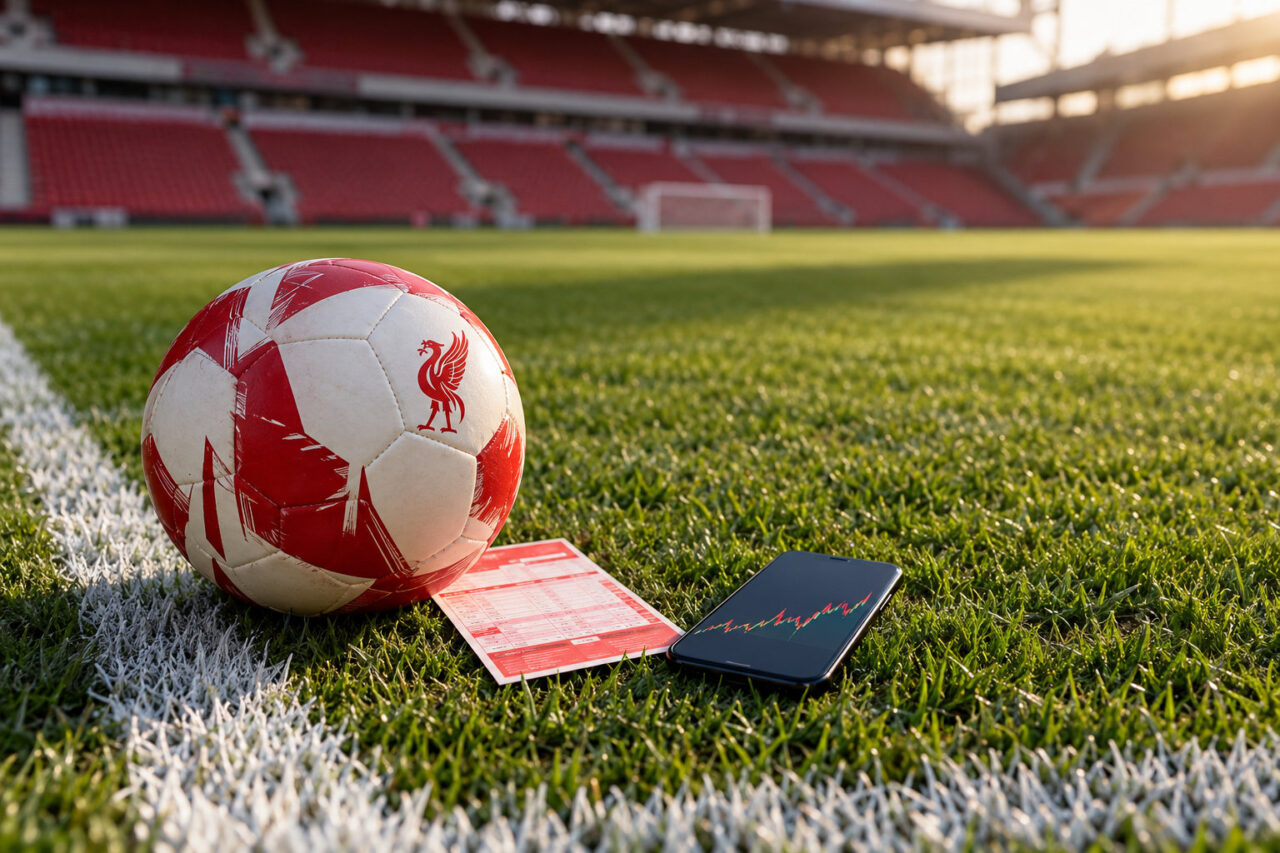
Betting activity connected to Liverpool frequently mirrors the speculation and anticipation that drive pre-match analysis and post-match discussion. While football performance and market sentiment may align, they are not always identical and can respond differently to events.
What betting market activity means in football
In football, “market activity” involves more than just setting odds for match outcomes. It includes the ways bookmakers adjust those odds based on emerging information, changes in the volume of bets placed, and visible shifts in public sentiment. Sudden “odds movements” typically reflect collective responses to real-world developments, but they are not fixed predictions about actual results.
Significant pre-match team news can shift odds within minutes, and even minor injury updates may increase interest. These movements are not limited to determining who is the favourite; they also show how perception and narrative can swirl around a club under close scrutiny like Liverpool.
Performance factors that shape market sentiment
Not all winning streaks or setbacks influence expectations in the same way. Liverpool’s runs of strong performances may strengthen confidence, while a stretch of narrow victories or inconsistent results can lead observers and markets to question whether deeper issues may be developing.
Markets respond to the quality of play: a controlled 3-0 win is interpreted differently from a match decided by late drama. Observers consider patterns such as strong first-half starts, games dominated without finishing, or dramatic late outcomes, each of which can influence how likely certain results seem for future matches.
Team news, rotation, and tactical discussion
Few elements influence pre-match markets as rapidly as unexpected team news. Player injuries, limited minutes for returning players, or selection surprises (such as an academy player starting in midfield) tend to trigger immediate reactions in the market. Liverpool’s crowded fixture schedule and strategic rotation make these updates especially significant.
Analysts and fans study line-ups and tactical approaches, in part because Liverpool’s strategies may shift between major games and matches against lesser opposition. Tactical match-ups, how Liverpool’s pressing style interacts with a possession-focused opponent, for instance, generate analysis and can contribute to odds fluctuations before kick-off.
Media cycles and fan sentiment
Every press conference, training photo, or story from a trusted journalist adds to public expectation. For Liverpool fans, social media can speed up this process: optimism grows with positive injury news and falls with news of an absent key player.
Nevertheless, betting markets do not always react in exact harmony with shifting fan mood. Sometimes markets remain cautious even as excitement builds, or the reverse, showing the difference between popular sentiment and more measured analysis.
In-play volatility and shifting perceptions
During Liverpool matches, quick swings are typical. A penalty, early goal, or red card may trigger nearly instant odds movements as fans and markets alike react to changing circumstances. These in-play developments illustrate that markets are not static forecasts but shifting reflections of new information and game states.
Major incidents such as a sending off or a series of attacking moves cause a rapid reassessment of expectations, both in the stands and among active market participants. The fluid nature of a football match is mirrored in the market’s ongoing adjustment to evolving events.
Understanding limits and staying critical
It is important to recognise that market prices, despite their responsiveness, are not always accurate indicators of actual probability. They may overreact to headline narratives or fail to keep pace with subtle tactical shifts. Maintaining a critical perspective when following football-related trends and treating odds and market movements as signals, not certainties, helps to avoid misinterpretation or misplaced confidence.
For Liverpool and those who follow the club closely, what happens on the pitch is closely linked to a wider cycle of analysis, conversation, and market reaction. Every match can become both a source of excitement and a reference point for market sentiment, making careful analysis essential for accurate interpretation.