
Salah’s Recent Actions Prompt Debate
Salah’s reaction after the Leeds fixture triggered debate about his relationship with the manager and ownership. In another era, such public tension might have threatened to destabilise the dressing room. Instead, Liverpool have moved in the opposite direction.
The club have backed Arne Slot’s decisions throughout a challenging autumn, refusing to allow external commentary to influence internal assessment. The winger’s comments, which hinted at uncertainty over his future, were viewed as unhelpful but ultimately manageable within the broader context of his importance to the team.
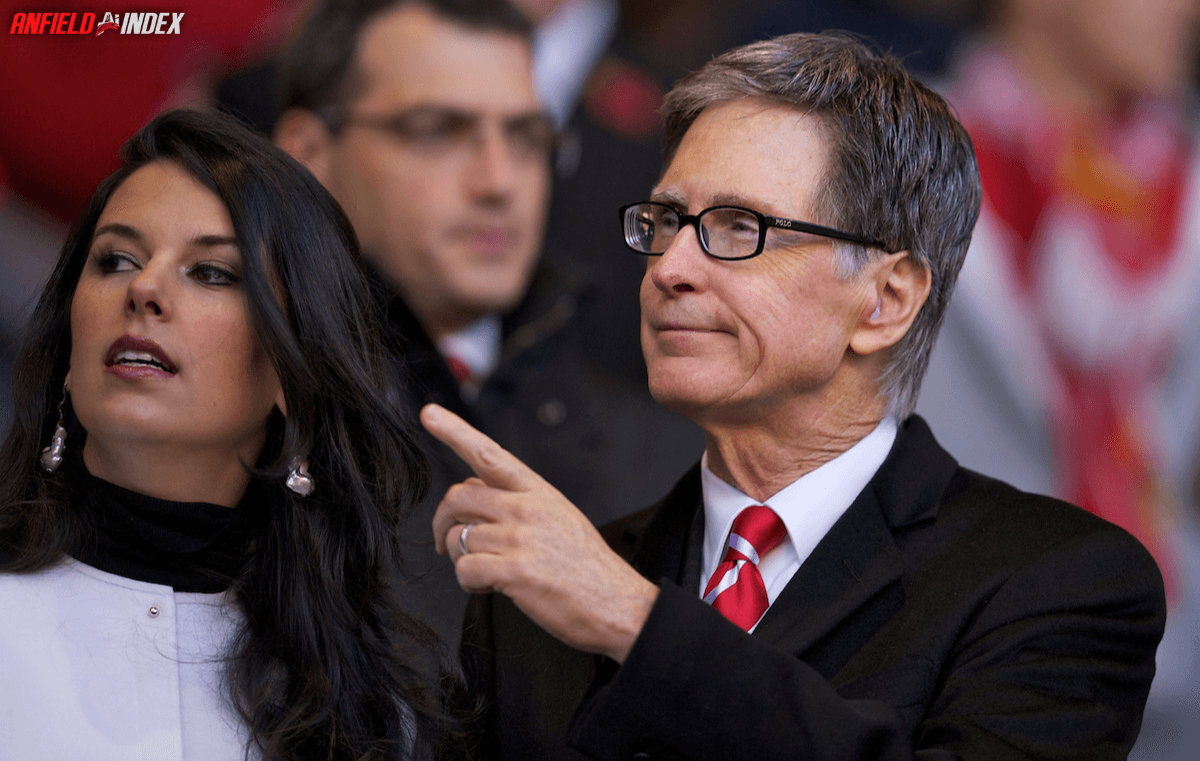
While Henry and others have been stern in assessing his conduct, Liverpool have been equally clear that one uncomfortable episode does not overwrite years of extraordinary contribution. Their internal line reiterates that Salah remains central to their plans and that his commitment should not be doubted.
Liverpool’s Position on Salah Staying
David Ornstein explained this week that club officials were keen to stress that Salah’s recent omission was not disciplinary. Instead, it was presented as a decision designed to protect all parties during a volatile period.
The message from Anfield circles remains consistent: Salah is viewed as one of the world’s most influential forwards and a key figure in Liverpool’s recent success, including last season’s title-winning campaign. His record-breaking output continues to shape the Premier League landscape, and those inside the club believe he deserves respect, even amid criticism and uncertainty.
Liverpool committed to a two-year deal with him, and nothing has changed regarding their preference for him to stay. The club’s intention has always been retention, not transition.
Financial Implications Under Consideration
While football decisions dominate the public discourse, the financial aspect of Salah’s situation cannot be ignored. His reported wage of around £400,000 per week places him among the Premier League’s highest earners. As finance specialists have pointed out, National Insurance contributions alone add another significant figure – approximately £60,000 per week – amounting to an estimated additional £4.7 million over 18 months.
Some of his earnings fall under image rights, creating complexities in the precise calculation, but the overall picture is clear: losing Salah would mean shedding one of the league’s heaviest wage packages. For a club operating with a clear financial model, the implications are substantial.
However, this remains a secondary consideration. Liverpool’s overriding position is not shaped by accounting, but by the sporting value Salah continues to provide.
When Salah Will Return to Liverpool
Salah could feature against Brighton before departing for AFCON, though the decision will depend on internal discussions and his physical and mental readiness. Egypt begin their group-stage campaign on 22 December, meaning the forward will miss the remainder of Liverpool’s matches this year.
If Egypt progress deep into the tournament, his absence could extend until after the final on 18 January. Liverpool, having learned to adapt during international breaks before, will again need to recalibrate their attacking structure in his absence.
What remains clear, however, is that Liverpool’s preference is for Salah to return from AFCON with the situation stabilised and his long-term future aligned with the club’s plans. A meeting before his departure is expected to help define the next steps.