


Aldridge Warns Set-Piece Failings Will Cost Liverpool After Wolves Scare
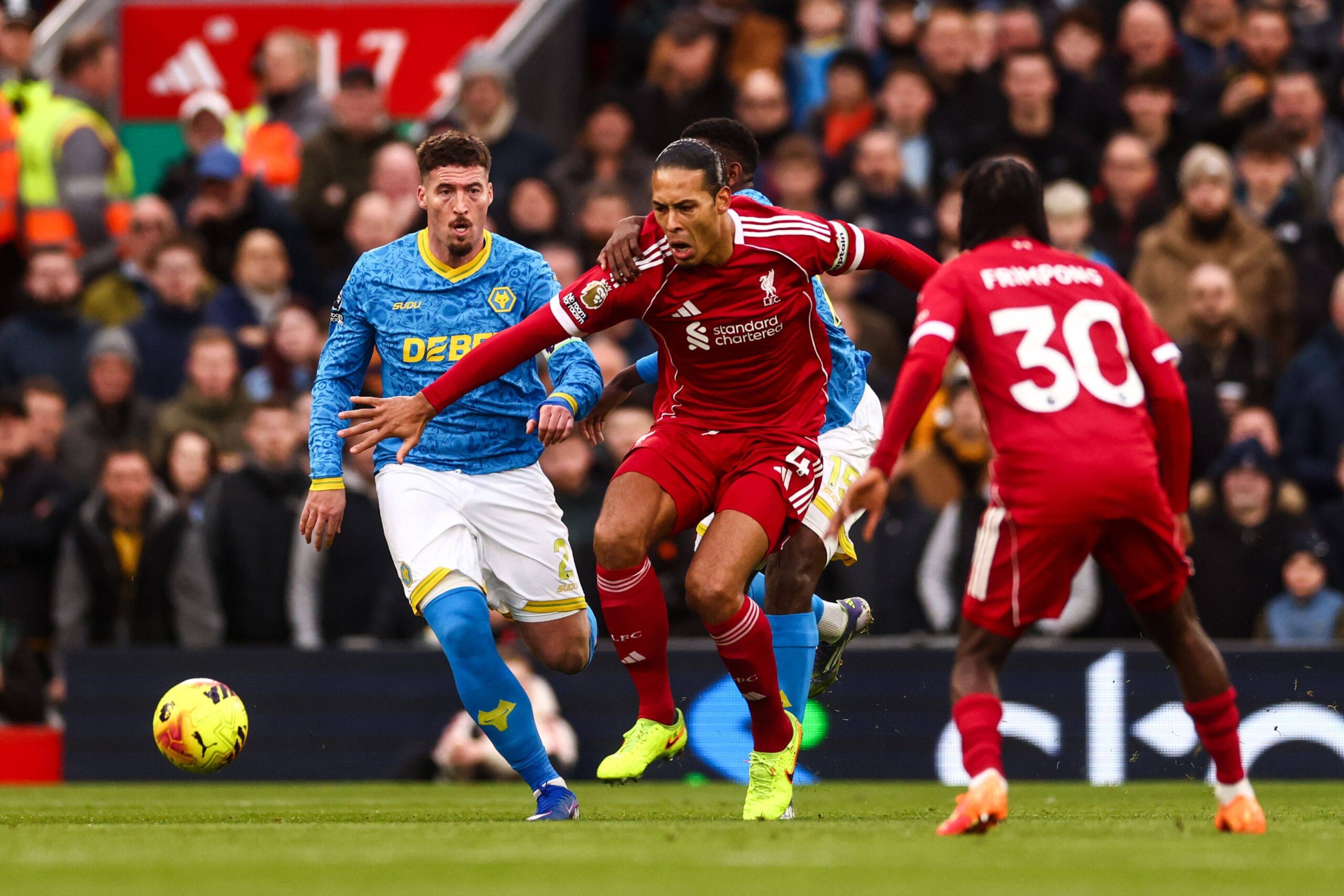
Liverpool may have taken the points against Wolves, but John Aldridge believes the manner of the win exposed a flaw that could yet derail their season. The former Reds striker has delivered a stark warning following the 2–1 victory at Anfield, insisting that Liverpool’s inability to defend set pieces properly is becoming a serious liability rather than a minor irritation.
Aldridge’s assessment was uncompromising. While Liverpool dominated large spells and looked in control after going two goals ahead before half-time, the concession of another set-piece goal allowed Wolves back into a contest that should have been routine. From that moment, the atmosphere shifted, nerves crept in and Liverpool were left clinging on.
For Aldridge, this pattern is becoming far too familiar.
Aldridge delivers brutal verdict on defending
Writing after the match, Aldridge made little attempt to soften his criticism. He felt Liverpool had handed Wolves belief through their own shortcomings rather than sustained pressure.
He wrote:
“The game was there for the taking. We could have won by three or four but instead we were a bag of nerves after they got one back. They get a corner and come on! Every corner is a nightmare. Whoever is on set-pieces, they need to look in the mirror.”
That sense of inevitability around opposition corners alarmed him most. Rather than looking confident and organised, Liverpool appeared tense, almost resigned to danger whenever the ball went out of play. For a side with ambitions at the top end of the Premier League, Aldridge sees that as unacceptable.
Wolves goal highlights repeated mistakes
The goal Wolves scored early in the second half encapsulated Aldridge’s frustration. Liverpool initially survived the corner, but failed to react quickly enough once the ball dropped loose in the penalty area. That lack of alertness proved costly.
Aldridge expanded on the sequence in detail, pointing to a collective breakdown rather than an individual error.
He wrote:
“You need to organise and get in the players’ heads. It’s now every corner. Alisson saves it, does well, but all the players are on the wrong side and none of them are alert to the danger. Words fail you.”
For Aldridge, the most worrying element was that the first intervention was good, yet the danger was not extinguished. Wolves wanted the second ball more, reacted faster and were rewarded. Those marginal moments, he argued, are where games are swung at the highest level.
Set pieces turning control into chaos
Liverpool’s performance before conceding suggested a comfortable afternoon. After that, everything changed. Aldridge felt the goal affected the players mentally as much as tactically.
He continued:
“We let them back in the game. We’re jittery. They should have equalised. Liverpool can be happy with the result but better teams would capitalise on us.”
That warning cuts to the heart of the issue. Wolves were unable to make the most of Liverpool’s uncertainty, but Aldridge is convinced stronger opponents will not be so forgiving. When control turns into chaos so quickly, margins disappear.
Pressure grows to solve set-piece problem
The statistics only reinforce Aldridge’s concerns. Liverpool’s record from set pieces this season places them among the weakest sides in the league in both attacking and defending dead-ball situations. In an era where set pieces are a major tactical weapon, that imbalance is increasingly difficult to justify.
Aldridge’s criticism was not rooted in emotion alone. It was a reflection of a broader trend that continues to resurface, regardless of opponent. Each conceded goal erodes confidence further, creating a cycle that opponents are only too happy to exploit.
Liverpool emerged from the Wolves game with three points, but Aldridge’s message is clear. Unless set-piece defending is addressed urgently, similar scenarios will continue to unfold, and the outcome may not always be so favourable.