
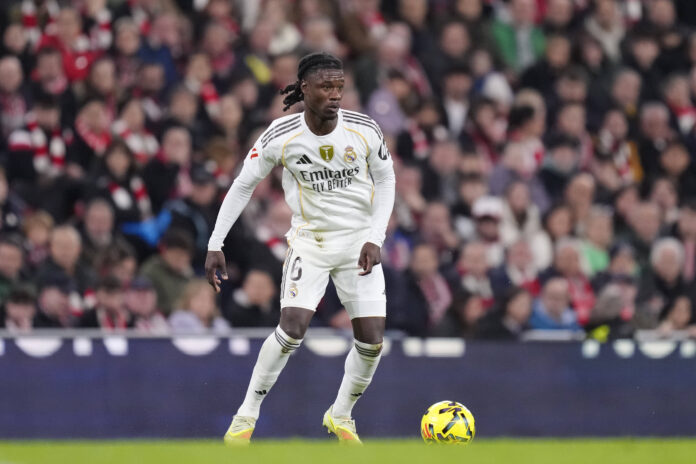

Liverpool explore Camavinga deal as midfield upgrade debate intensifies
Liverpool’s long-standing admiration for Eduardo Camavinga has resurfaced once again, with fresh reports suggesting the club have explored the feasibility of a move for the Real Madrid midfielder as they assess ways to strengthen their engine room. While no agreement is close and the financial realities remain complex, Camavinga’s profile continues to appeal to decision-makers at Anfield as they weigh potential upgrades in key midfield roles, including those currently occupied by Alexis Mac Allister.
The France international has been monitored by Liverpool for several seasons, according to TeamTalk, dating back to his breakthrough at Rennes, and his versatility has only sharpened that interest. Able to operate as a holding midfielder, a box-to-box option, or even as an emergency left-back, Camavinga represents the type of tactical flexibility Liverpool increasingly value as they adapt their squad for a more fluid, positionally interchangeable system.
Camavinga profile fits Liverpool’s evolving needs
At 23, Camavinga already boasts elite-level experience across domestic and European competition. His athleticism, press resistance and defensive instincts have made him a trusted option in high-stakes matches, even if his role at Real Madrid has not always been consistent. That uncertainty has inevitably fuelled external interest, though Madrid remain relaxed given his contract runs until 2029.
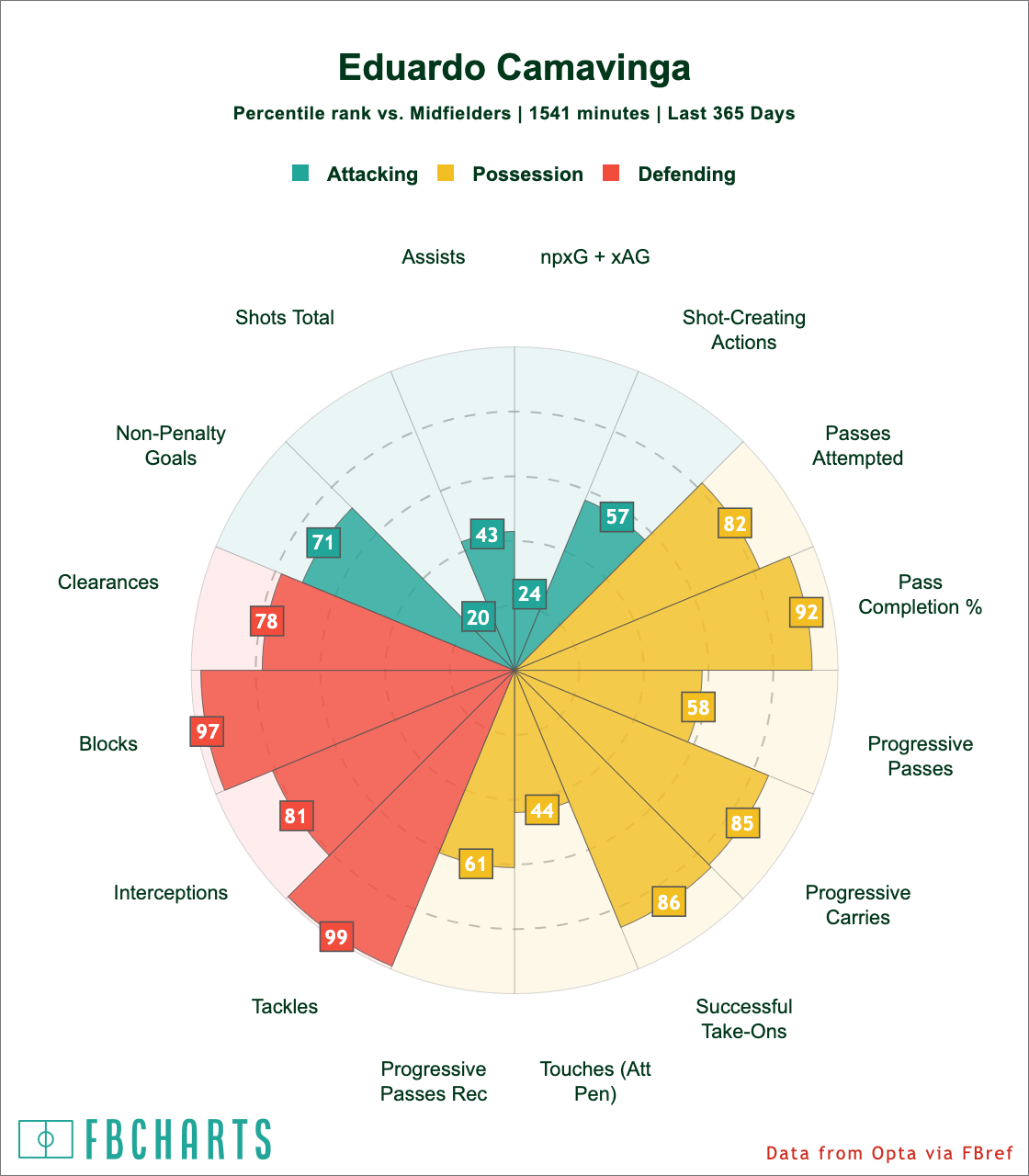
From Liverpool’s perspective, Camavinga’s appeal lies in his ability to provide greater defensive security in midfield without sacrificing progression through the thirds. His ball recovery numbers and comfort receiving under pressure align closely with what Liverpool seek from deeper midfield profiles, particularly in matches where control and protection of the back line have been an issue.
Mac Allister role under scrutiny amid tactical recalibration
Mac Allister’s importance to Liverpool should not be understated. His intelligence, positional discipline and composure have made him a reliable option in multiple roles, often dictated by team needs rather than individual preference. However, his deployment in deeper areas has prompted internal discussion about whether a more natural defensive midfielder would allow him to operate higher up the pitch, where his passing range and decision-making can have greater attacking impact.
Camavinga is viewed by some within recruitment circles as a potential solution to that balance. Rather than replacing Mac Allister outright, the idea would be to redistribute responsibilities more effectively, reducing the physical burden placed on the Argentine while strengthening Liverpool’s defensive structure through midfield.
Financial realities shape Liverpool’s January outlook
Any move for Camavinga would come at a significant cost. Reports suggesting bids in the region of £60 million are unlikely to meet Real Madrid’s valuation, particularly for a player considered integral to their long-term plans. Liverpool are aware that a deal would require either a substantial increase in outlay or a creative structure that aligns with their broader financial strategy.
As things stand, there has been no formal negotiation, and Liverpool are conscious that January business of this scale is notoriously difficult. The situation is best described as exploratory rather than advanced, with the club gathering information and assessing conditions rather than pushing aggressively.
Long-term planning remains central to Liverpool strategy
Liverpool’s interest in Camavinga should be viewed within the context of longer-term squad planning rather than an immediate overhaul. With several midfielders entering different phases of their careers, recruitment staff are focused on identifying players who can offer durability, tactical adaptability and resale value.
Whether Camavinga ultimately becomes attainable remains uncertain. What is clear is that Liverpool continue to examine elite midfield options as they refine their structure and seek marginal gains that could prove decisive over the course of a demanding season. Any movement is likely to be deliberate, data-driven and aligned with a broader vision rather than a reactive response to short-term form.