Liverpool Sporting Director Under Scrutiny as Title Defence Continues to Collapse
Liverpool’s remarkable Premier League triumph under Arne Slot last season set a new benchmark. A league title secured in his debut campaign felt like a generational shift. Fast forward to January and the afterglow has faded into a harsher glare. Liverpool sit 4th in the Premier League table, a position few envisaged after a summer outlay of £450m on new talent. The squad rebuild was bold, expensive, and designed to safeguard a dynasty. Instead, the title defence has been bitterly underwhelming, and the scrutiny has shifted upstairs.
Credit where it’s due, David Lynch, speaking to Dave Davis for Anfield Index, and the team behind the original podcast deserve recognition for framing the issue with clarity and nuance.
Summer Spending vs League Output
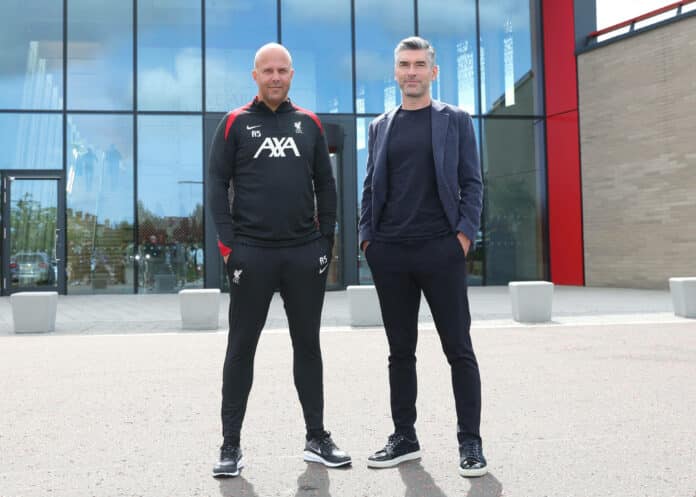
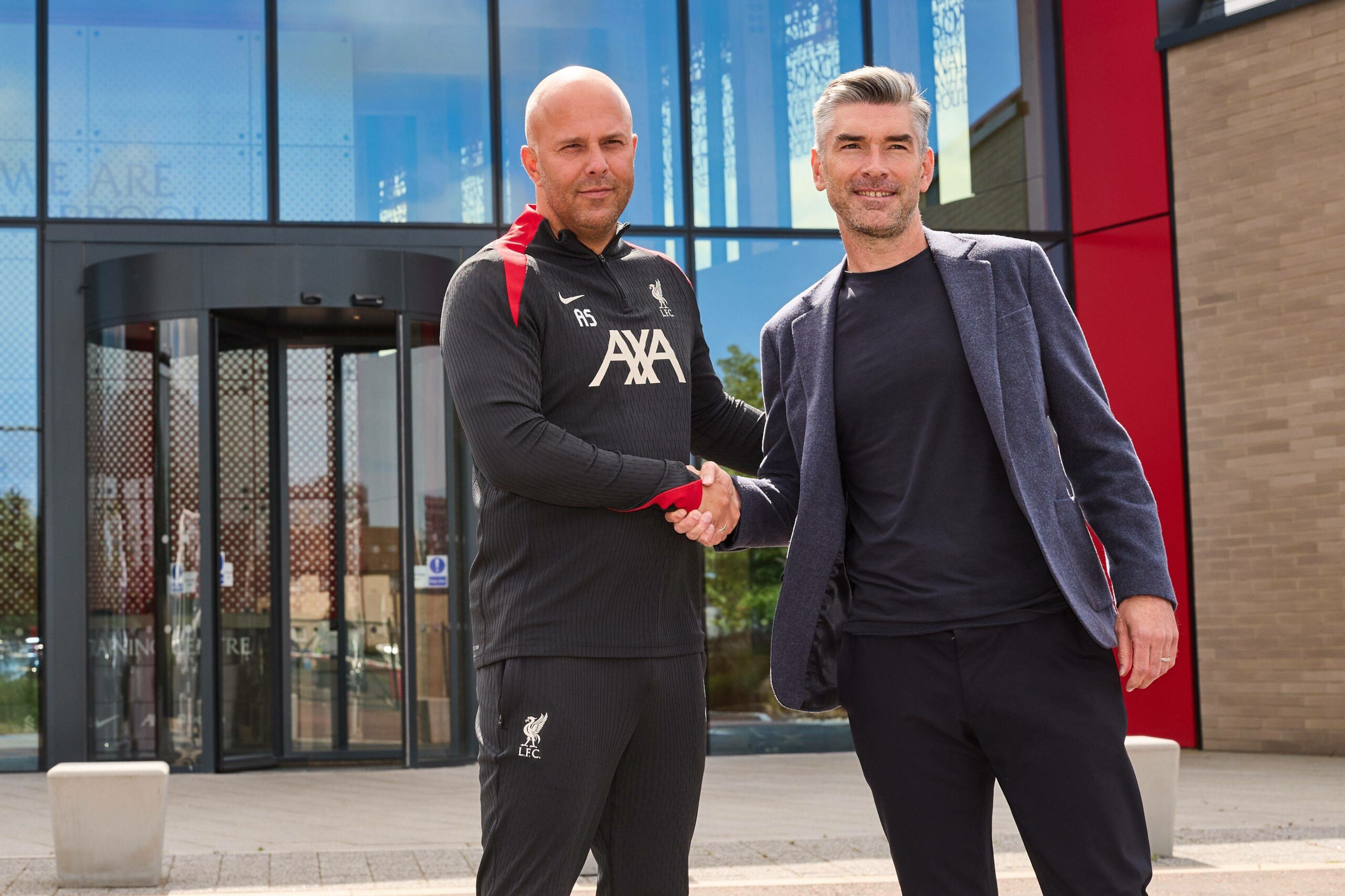
Liverpool’s recruitment window was defined by ambition. £450m is elite tier investment, and it comes with elite tier expectations. The club aggressively targeted midfield control, defensive depth, and attacking rotation. The intent was sound, the execution, in pure sporting terms, has yet to match the balance sheet. For Richard Hughes, Liverpool’s sporting director, this has become a referendum season.
The pressure intensifies when January silence looms. With Liverpool appearing unlikely to sign anyone this month, the question of accountability has moved beyond fan forums into mainstream football discourse. The sporting director’s absence from public explanation has amplified the noise around it.
Public Communication Vacuum
On the original podcast, the discussion around Hughes’ visibility was telling. Dave Davis on Richard Hughes’ performance as Liverpool’s sporting director: “If this does get how the fixture list looks like it could do and Liverpool look unlikely to sign anyone in January, how much scrutiny now falls on Richard Hughes?”
Lynch responded with a pragmatic but pointed observation: “They’ll have agreed targets that they have to meet as well, so there will be an element of pressure on those behind the scenes too.”
He added a layer of realism that supporters will recognise: “Finding out what those are or what Liverpool’s aims were for the season is virtually impossible.”
The lack of transparency is not a crime, but it is strategically clumsy. Lynch did not mince his words on this point: “The fact that the sporting director doesn’t speak publically in these situations is worthy of criticism and a bit ridiculous.”
“It leaves all of it on Arne Slot in these situations and I do feel for him a little bit.”
This matters. In the modern Premier League, narrative control is part of sporting infrastructure. Hughes’ media reticence means Slot becomes the shock absorber for every poor result, every injury lament, every scheduling grievance. That imbalance is avoidable, and harmful.
Signings Reputation vs Season Reality
Despite current turbulence, Lynch struck an optimistic chord:
“Richard Hughes will be massively judged on how his summer signings work out and I think that by the end of the season, we will all be in agreement that they’ve been good signings.”
“He can always turn it back onto being let down by the coaching side of things, that’s just how the game works.”
Here’s the crux. The signings can be individually strong yet collectively misfiring due to integration, coaching structure, or tactical imbalance. If Liverpool finish outside a title challenge, but the recruits later thrive, the verdict on Hughes will feel deferred, diluted, or divisive.
Hughes Judgement Timeline Shifts
For now, Hughes is under pressure, not because he spent poorly, but because he spent loudly. Big investment with modest output compresses patience and magnifies responsibility. The Premier League does not care for transition narratives when £450m has been committed. Hughes will ultimately be assessed on talent hit rate, resale value, long term impact, and his ability to align recruitment with coaching success, even if that alignment has wobbled this season.
Liverpool’s season is not unsalvageable, but its margins for error have thinned. The club must ensure that ambition off the pitch is matched by coherence on it, and that responsibility is shared in voice as well as vision.