


Chiesa, Juventus and Liverpool: A Familiar Story Finds a New Shape
Football has a habit of looping back on itself. Players leave, clubs move on, and yet certain names retain a gravitational pull that refuses to fade. Federico Chiesa is one of those names at Juventus. His story, now intertwined with Liverpool, feels less like a straight transfer narrative and more like a reconsideration — a pause in which all parties quietly ask whether the past still holds solutions for the present.
According to reporting by Gazzetta.it, Juventus have initiated exploratory talks with Liverpool about the possibility of bringing Chiesa back to Turin, less than two years after selling him to the Premier League club. The move would not be framed as a dramatic reversal but as a pragmatic adjustment: a short-term loan, a chance to reset, a recognition that careers rarely unfold in tidy, linear ways.
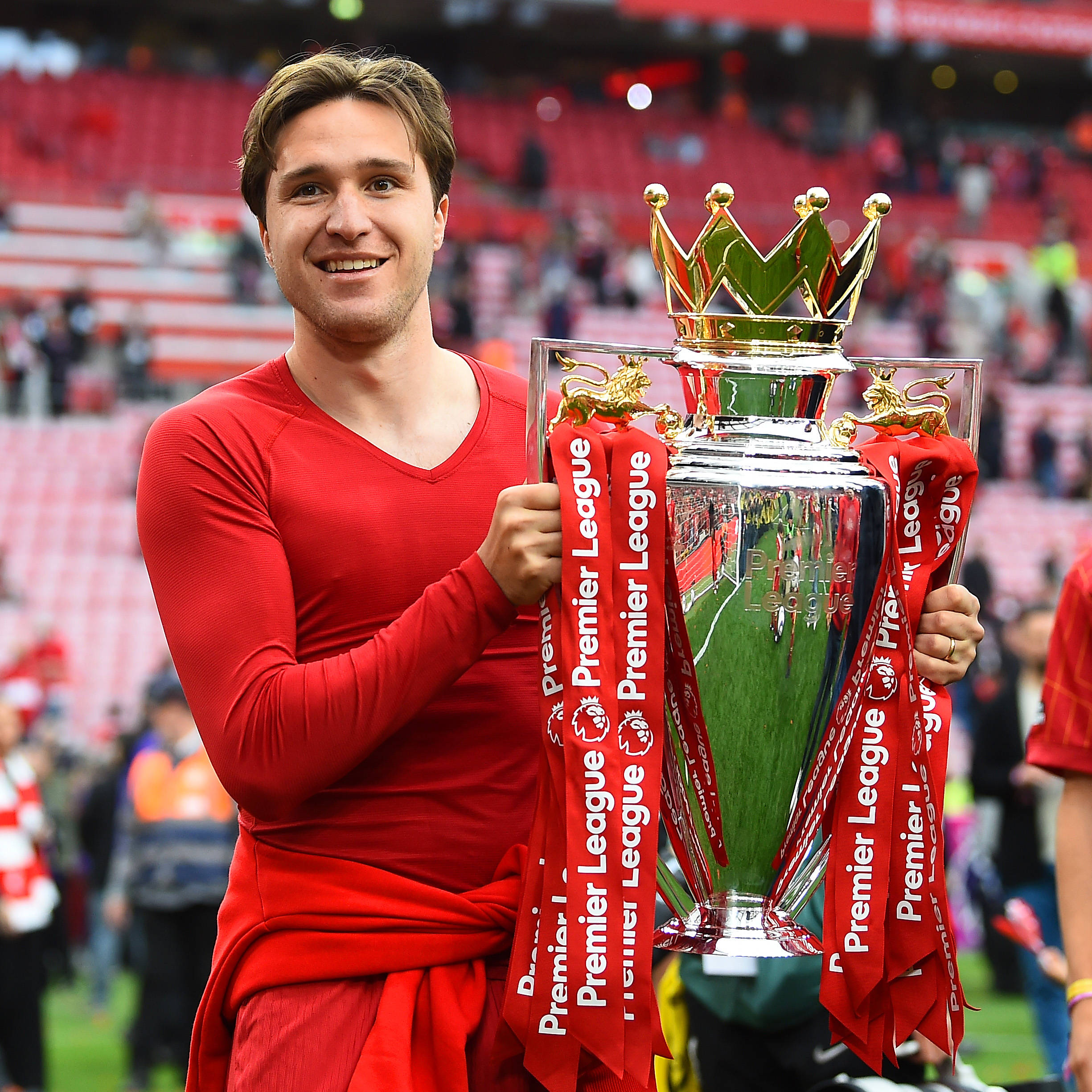
Chiesa’s Liverpool Chapter and Its Limits
Chiesa’s time at Liverpool has not been a failure in the blunt sense, but nor has it been transformative. Four goals and five assists across 34 appearances tell a story of contribution without centrality. He has been useful, sometimes bright, occasionally decisive, but rarely essential. In a squad built on relentless intensity and competition for minutes, Chiesa has often found himself on the margins rather than at the core.
There are reasons for that. Injuries interrupted his rhythm. Tactical demands limited his freedom. And the Premier League, with its pace and physicality, has proved less forgiving than anticipated. Even so, Liverpool’s view appears balanced rather than dismissive. This is not an attempt to offload a problem, but an openness to a solution that might benefit everyone involved.
For Chiesa, the calculation is clearer. With the 2026 World Cup looming, minutes matter more than prestige. Regular football, familiarity, and a system that understands his instincts all weigh heavily. Juventus, for all their recent turbulence, still offer those certainties.
Juventus and the Logic of Return
Juventus’ interest is rooted less in nostalgia than in necessity. Their current squad is rich in potential but uneven in balance. Wide attacking options exist, yet none quite replicate what Chiesa provides: direct running, vertical aggression, and an ability to destabilise defensive blocks without elaborate buildup.
The idea, as outlined by Gazzetta.it, is not to reinstall Chiesa as a guaranteed starter but to use him as a flexible resource. He could spell younger players, offer tactical variation, and raise the baseline level of the squad across competitions. In that sense, this is not a romantic homecoming but a calculated reinforcement.
Financially, a loan makes sense. Juventus avoid long-term risk. Liverpool reduce wage pressure without severing ties. Chiesa, meanwhile, gains a platform to remind Europe why he once felt inevitable at the highest level.
Timing, Context and a Narrow Window
The timing of these discussions is crucial. Liverpool’s current absences in attack mean any immediate departure would be difficult to sanction. However, as the calendar shifts and reinforcements return, the equation may change. Transfer windows are not just about availability; they are about moments when flexibility briefly becomes possible.
There is also a broader context at Juventus. The club remains in a phase of recalibration, searching for identity as much as results. Bringing back Chiesa fits a wider narrative of reconnecting with players who understand the weight of the shirt, even if sentiment is not the primary driver.
For Liverpool, the situation reflects their evolving squad management under Arne Slot. Decisions are increasingly shaped by long-term structure rather than short-term attachment. If Chiesa’s future lies elsewhere, facilitating that exit on sensible terms aligns with that approach.
What This Says About Modern Transfers
This potential move is revealing not because it is spectacular, but because it is restrained. It speaks to a transfer market where reversibility is no longer taboo. Clubs are more willing to admit that circumstances change, that players fit differently at different moments, and that loans can function as resets rather than stopgaps.
Chiesa’s story, connecting Juventus and Liverpool once more, sits neatly within that reality. It is not about regret or failure. It is about alignment — tactical, emotional, and temporal. Whether the deal materialises or not, it underlines how modern careers are shaped less by bold leaps than by careful recalibration.
Sometimes, going forward requires a brief step back.