
Slot, Hughes and the Liverpool Civil War Nobody Wanted
Liverpool are nine games unbeaten and yet everything feels brittle. The results suggest stability; the mood around Anfield tells a different story. Beneath the surface, a struggle over power, philosophy and identity has taken hold, one that has little to do with a single match result and everything to do with how the club believes success should be built.
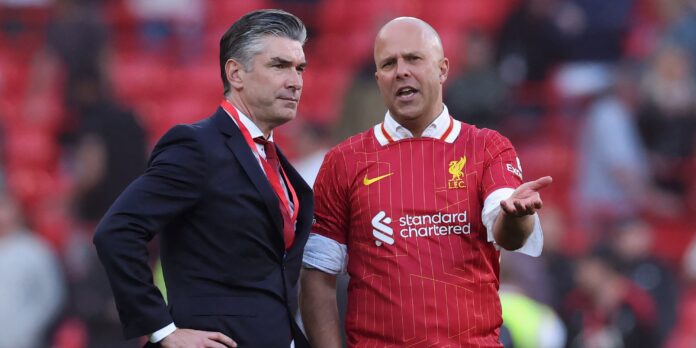
According to an Anfield Watch report, this tension hardened into something far more serious during the summer, when Arne Slot and sporting director Richard Hughes found themselves on opposite sides of a defining argument. What followed has been described internally as a civil war: not loud or public, but persistent, corrosive and deeply unsettling.
At its heart is a familiar modern football dilemma. Who decides the future of a club: the head coach chasing short-term results, or the hierarchy safeguarding a long-term vision?
A Philosophy Clash at the AXA Training Centre
Slot arrived at Liverpool tasked with sustaining an elite standard while imprinting his own ideas. The job description, however, came with conditions. Liverpool’s hierarchy, shaped by years of data-led planning and academy integration, believe the club must function as a system rather than a personality.
Hughes embodies that thinking. His recruitment strategy places significant value on internal development, viewing the academy not as a last resort but as a strategic pillar. It is a model that previously allowed Liverpool to refresh their squad while maintaining financial control and cultural continuity.
Slot, by contrast, appears less convinced. Reports suggest he pushed hard during the summer for immediate reinforcements rather than expanded roles for younger players who had impressed in pre-season. Where Hughes saw opportunity, Slot saw risk. Where the club envisioned patience, the coach demanded certainty.
This was not a minor disagreement over squad depth. It was a fundamental dispute about how Liverpool should function.
Youth Pathway Dispute Reshapes the Squad
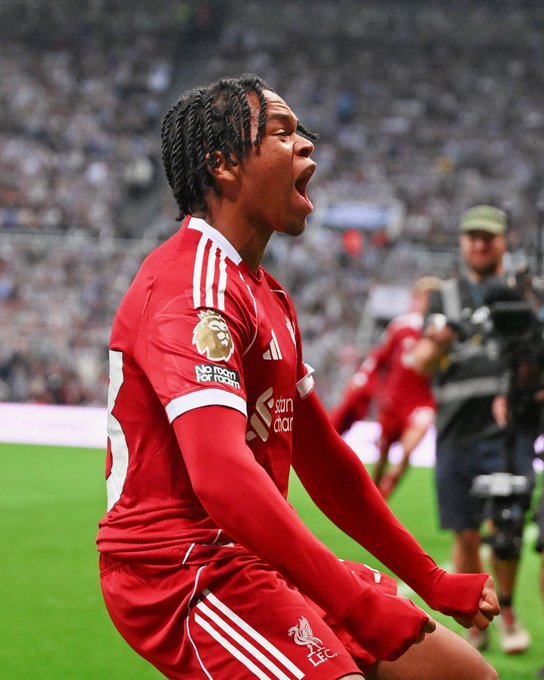
The flashpoint came over the handling of emerging talent. Hughes and his recruitment team were keen to fast-track certain academy players after standout pre-season performances, believing momentum should be rewarded. Under previous regimes, that pathway was well established.
Slot took a different view. He reportedly preferred loans or external signings, prioritising readiness over potential. That stance placed him directly at odds with Liverpool’s internal logic, which relies heavily on integrating youth both to strengthen the squad and protect future transfer flexibility.
Anfield Watch has reported that Hughes refused to sanction a change in direction, insisting that academy players must be trusted and utilised. Slot’s subsequent reluctance to deploy them regularly has only deepened the divide.
Efforts were made to bridge the gap. Joint training sessions, academy showcases and additional coaching appointments were introduced in an attempt to align philosophies. The results have been mixed at best. Slot’s absence from certain initiatives was interpreted by some as indifference, by others as quiet resistance.
Performance Pressure Turns Disagreement Into Crisis
Philosophical differences can survive success. They rarely endure disappointment.
Liverpool’s performances this season have been uneven, with draws against teams they would once have overwhelmed and victories secured through effort rather than authority. The control Slot has introduced defensively has come at a visible cost in attacking fluency, leaving supporters unconvinced and patience increasingly thin.
As results wobble, the internal disagreement becomes harder to ignore. The hierarchy worry that prolonged resistance to youth integration undermines the club’s long-term sustainability. Slot, meanwhile, faces growing scrutiny over a system that appears functional but uninspiring.
What began as a strategic debate has become existential. Can Liverpool afford a head coach who does not fully buy into the structure that defines the club? Equally, can Slot succeed if he feels constrained by a model he did not design?
Liverpool’s Identity at a Crossroads
Liverpool have always been more than a collection of tactics. Their modern success was built on coherence: recruitment aligned with coaching, development aligned with ambition. The current civil war threatens that balance.
This is not about personalities alone. It is about whether Liverpool continue to operate as a club with a clear institutional identity, or drift towards a model where the head coach’s preferences override long-term planning.
For now, the standoff continues. Slot remains in post, Hughes remains resolute, and the team continues to collect points without conviction. Yet the margin for error is narrowing. Without clarity and compromise, the civil war risks becoming public, and once that happens, resolution rarely comes quietly.
Liverpool have faced crises before and emerged stronger. Whether this one sharpens their sense of self or fractures it entirely may define the next decade.