
Slot, Succession and Liverpool’s End of Season Reckoning
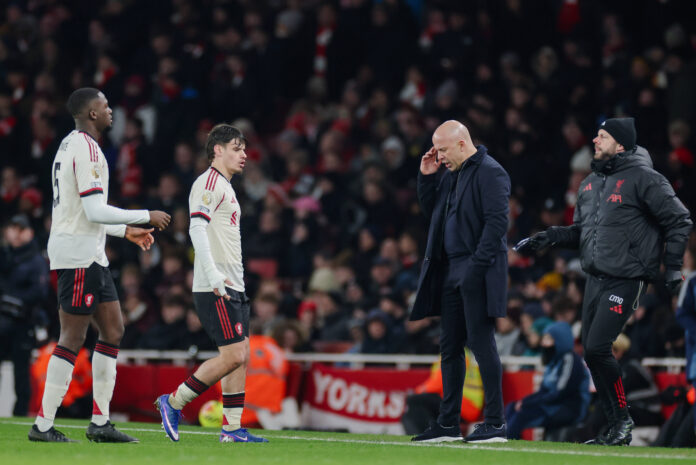
Liverpool rarely drift into uncertainty by accident. Even in moments of transition, the club prefers preparation over improvisation, planning over impulse. That instinct is shaping the current conversation around Arne Slot, as his first full campaign approaches its conclusion and an end of season review looms into focus.
Slot remains in post. Publicly and privately, he retains the backing of the club’s hierarchy. Yet modern football allows little room for complacency. As originally reported by TEAMtalk, Liverpool have already identified a shortlist of potential replacements, not as an act of impatience, but as a safeguard against future drift should the review demand decisive action.
This is the reality of elite management in 2026: stability is prized, but contingency is essential.
Transition Season Under the Microscope
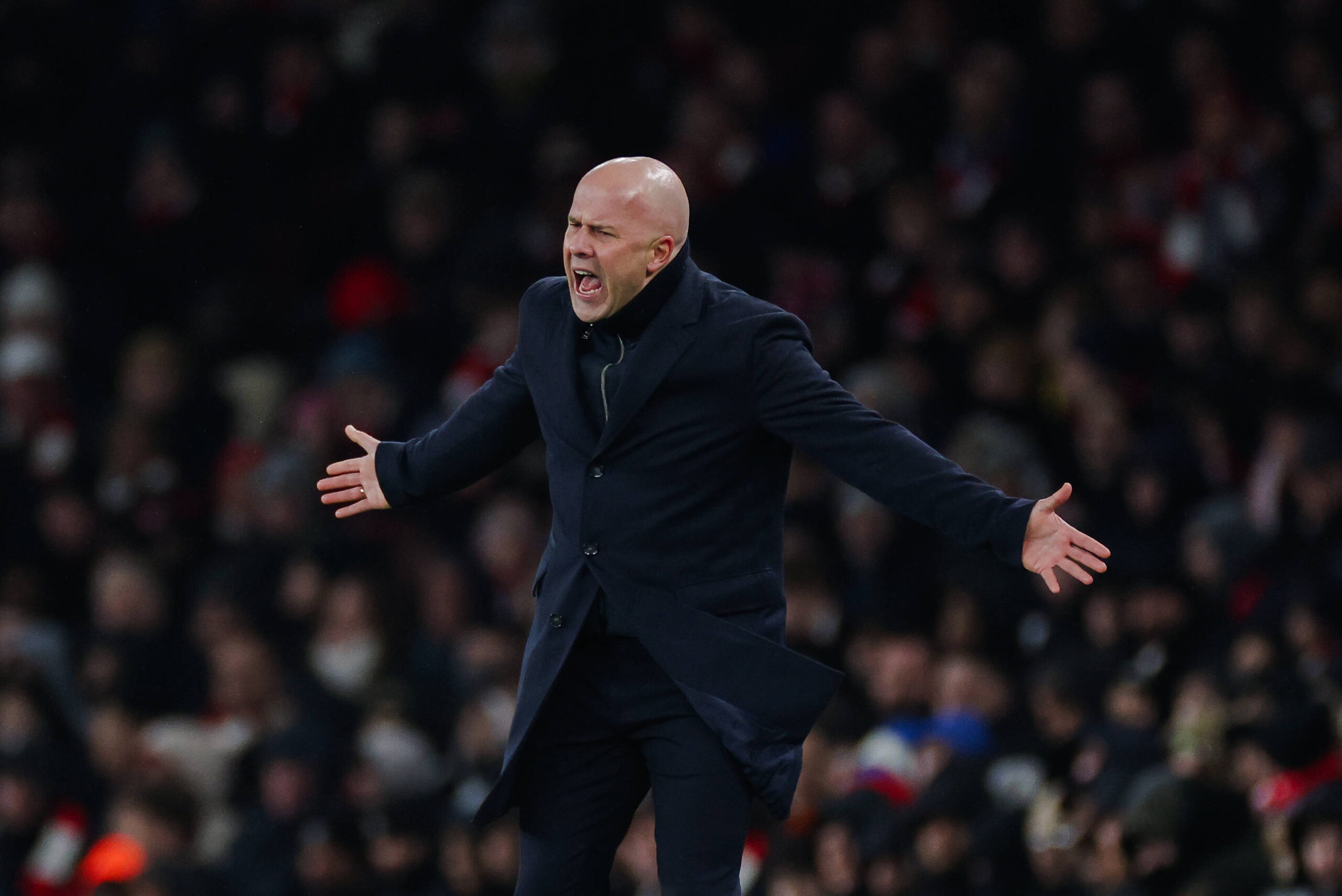
Slot’s task was unenviable from the outset. He inherited a squad forged in the image of Jurgen Klopp, shaped by intensity, emotion and vertical chaos, and was asked to recalibrate it without breaking its competitive edge. That this process has produced uneven results is hardly surprising.
Liverpool’s campaign has oscillated between coherence and fragility. At times, there have been signs of a team learning to control matches in a different way. At others, the legacy habits of the past have collided awkwardly with new ideas. The league table reflects that tension rather than condemning it.
Internally, this has always been framed as a season of assessment. The end of season review will measure more than points or position. It will interrogate structure, adaptability, player development and the sustainability of Slot’s tactical vision.
Why Potential Replacements Are Already Being Considered
The existence of potential replacements does not equate to an imminent change. It reflects a club operating with clarity rather than fear. Liverpool’s recruitment and governance model demands foresight, and managerial succession is no exception.
According to TEAMtalk, four names stand out. Oliver Glasner has impressed with his organisational clarity and capacity to impose structure quickly, qualities that appeal to clubs navigating transition. Roberto De Zerbi remains admired for his positional play and commitment to technical dominance, principles that align with Liverpool’s evolving football identity.
Andoni Iraola has earned widespread respect for transforming Bournemouth into one of the league’s most aggressive and intelligent pressing sides, while Francesco Farioli represents the modern, progressive edge of European coaching, valued for tactical flexibility and innovation.
These are not reactive choices. They are reflections of Liverpool’s long-term philosophy, different interpretations of how control, intensity and creativity might coexist in the next iteration of the club.
End of Season Review Will Shape Liverpool’s Direction
The end of season review will not hinge on a single result or a short run of form. Liverpool’s leadership will assess whether Slot has moved the club closer to a sustainable future, even if the present has been uncomfortable at times.
Has the team improved in managing games? Are defensive frailties structural or transitional? Is there evidence that players are absorbing new ideas rather than merely surviving them? These questions will carry more weight than narratives driven by weekly fluctuations.
Slot has shown a willingness to confront reality, acknowledging shortcomings while resisting excuses. That honesty has earned internal respect. But football ultimately demands progress, not patience alone.
Calm Backing for Slot Amid Strategic Planning
For now, Slot remains Liverpool’s manager, with Champions League qualification still within reach and the possibility of a strong finish capable of reframing the entire discussion. A coherent run-in would strengthen his case considerably.
Yet the presence of potential replacements in the background tells its own story. Liverpool are not drifting towards change, nor are they clinging blindly to continuity. They are measuring, analysing, preparing.
That balance has defined the club’s most successful modern periods. Whether Slot continues to shape Liverpool’s future will be decided not by speculation, but by a methodical end of season review grounded in evidence rather than emotion.
In a summer that may yet define the post-Klopp era, Liverpool are doing what they have learned to do best: thinking ahead.