
Mateus Mane and the Quiet Echo of a Liverpool Past
Liverpool have always been a club haunted by their own history, not in a burdensome way, but in a manner that gently informs every future possibility. From time to time, a name, a style, or a movement on the pitch feels familiar enough to stir memories without demanding comparison. Mateus Mane, still only 18, is beginning to occupy that space.
At Wolverhampton Wanderers, he has emerged not with a marketing campaign or a carefully managed narrative, but with goals, dribbles, and a confidence that looks borrowed from a player far older. It is no surprise, then, that Liverpool are once again being mentioned in the same sentence. According to reporting from TeamTalk, this is not idle speculation but the early stages of interest shaped by circumstance, representation, and timing.
“One thing that is catching my eye is Mateus Mane at Wolves. I know it’s not going to be in this transfer window, but there is no way that Wolves go into next season without an intense battle,” he said.
“Liverpool are the club I’ve heard about, I think that’s because the representative he’s with already have a few players at Liverpool, but he’s going to be hard, if not impossible, to hold onto, isn’t he?”
What makes this story compelling is not just Liverpool’s attention, but how naturally it seems to have formed.
Rise at Wolves built on substance
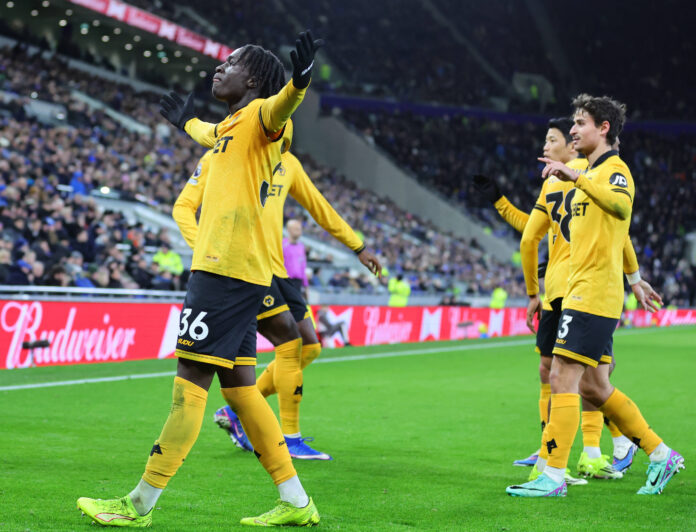
Mateus Mane’s ascent at Wolves has been rapid, but it has not felt rushed. Introduced carefully, he has rewarded trust with decisive moments. Goals against West Ham United and Everton were not scrappy accidents; they were finishes delivered with calm, clarity, and conviction.
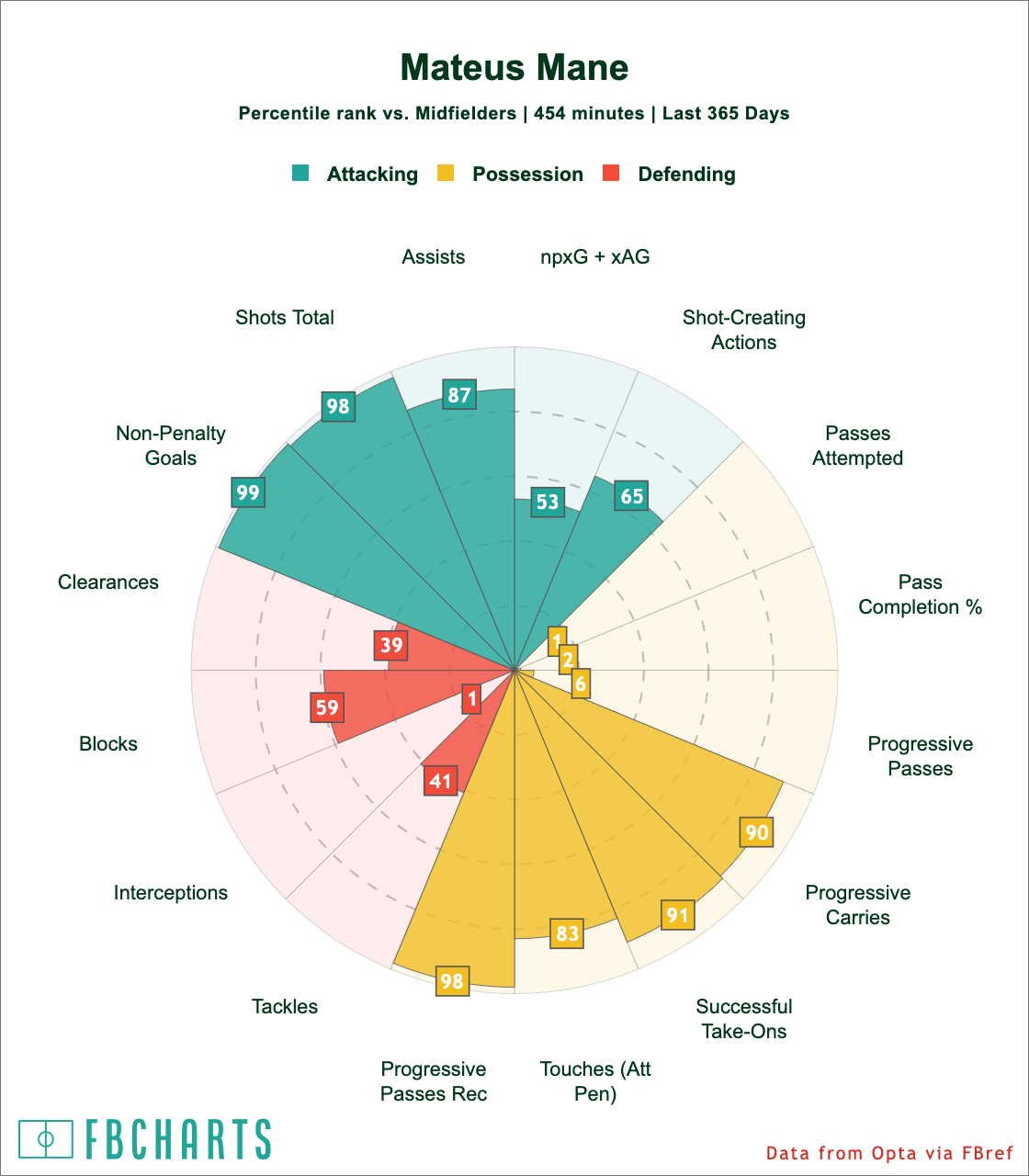
Operating predominantly from the left, Mane plays with a directness that unsettles defenders. He does not overcomplicate the game. Instead, he reads space well, attacks it aggressively, and shows a rare understanding of when to drive and when to release the ball. At senior level, including cup appearances, he is averaging 0.64 goal contributions per 90 minutes, a remarkable return for a teenager still learning the rhythm of Premier League football.
His dribbling numbers underline the same point. Nearly six attempts per 90 minutes, with more than half completed, place him among the most proactive wide players of his age in the league. This is not a prospect hiding between the lines. This is a footballer demanding involvement.
Liverpool interest shaped by timing and trust
Liverpool’s interest, as outlined by journalist Dean Jones speaking to TEAMtalk, is not expected to turn into an immediate move. That detail matters. This is not opportunism; it is patience. Wolves, understandably, are unlikely to surrender such a talent without resistance, particularly with Mane still under contract and central to their future planning.
Yet Liverpool’s position is unusual. Mane is represented by an agency with existing Liverpool clients, a connection that simplifies dialogue if not negotiations. In modern football, relationships matter as much as scouting reports. They smooth the process, establish trust, and allow conversations to happen quietly rather than competitively.
This is where Liverpool have often been most effective: early awareness, long-term monitoring, and decisive action only when the conditions align.
Playing profile fits evolving Anfield demands
What makes Mateus Mane particularly interesting for Liverpool is not simply his productivity, but his adaptability. Though he is most dangerous from the left, his movement inside and comfort receiving between the lines suggest he could operate centrally as well. That positional flexibility aligns neatly with how Liverpool’s attacking structure has evolved, favouring interchange over fixed roles.
Technically, his first touch stands out. He receives the ball on the half-turn, already scanning, already planning his next action. His off-ball movement is equally impressive, particularly for someone so young. He does not wait for the game to come to him. He goes looking for it.
These traits are not easily coached. They are recognised, refined, and trusted. Liverpool’s recruitment model has long valued that distinction.
Symbolism, social media and subtle signals
Modern football is played on multiple stages, and Mane appears aware of that without being consumed by it. His decision to repost a video comparing his goal against Everton to a famous Anfield moment from the 2019/20 season was not definitive proof of intent, but it was revealing.
Players do not choose such moments at random. It suggested comfort with the comparison, perhaps even enjoyment of it. For Liverpool supporters, it felt like a nod rather than a declaration, subtle enough to be dismissed, clear enough to be noticed.
As Anfield Watch noted in their original reporting, these small signals often form part of a larger picture. Nothing conclusive, but nothing accidental either.
Liverpool do not need to rush this. Neither, for now, do Wolves. Mateus Mane remains where he should be: playing, developing, and learning. But the direction of travel feels clear. Some players announce themselves loudly. Others, like Mane, let the game do the talking.