
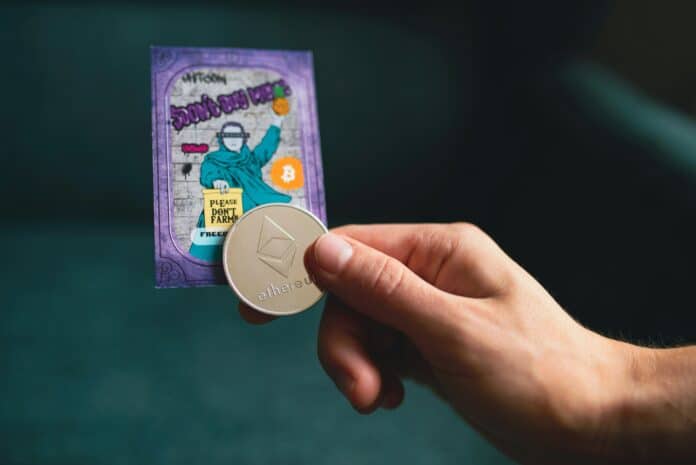

The initial frenzy surrounding Non-Fungible Tokens (NFTs) may have cooled from its 2021 peak, but in 2026, the technology has matured into a fundamental infrastructure for the digital economy. For digital artists and game developers, the shift has moved away from speculative profile pictures toward “Utility-First” assets. By leveraging blockchain technology, creators are finally solving the age-old problem of digital scarcity and provenance, allowing for a level of control over their intellectual property that was previously impossible in a “right-click-save” world.
The Sovereign Creator: Redefining Art Ownership
In the traditional digital art space, monetization was historically limited to commissions, prints, or platform-dependent ad revenue. NFTs have introduced the concept of programmable royalties through smart contracts. This means an illustrator or 3D artist can bake a secondary-market fee—often ranging from 5% to 10%—directly into the asset. Whenever the artwork is resold on a global marketplace, the original creator receives an automated payment, ensuring they benefit from the long-term appreciation of their work.
Beyond royalties, NFTs are bridging the gap between the physical and digital realms. “Phygital” collections—where a digital token serves as a certificate of authenticity for a physical sculpture or high-end print—are becoming the standard for luxury art drops. This provides a tamper-proof ledger of ownership that is accessible to anyone with a smartphone, eliminating the need for expensive third-party appraisals in many creative sectors.
The Evolution of Utility in Modern Gaming
The gaming industry has seen perhaps the most aggressive integration of NFT technology. While traditional “skins” or in-game items were essentially rented from a developer, NFT-based assets provide true digital ownership. If a player earns a rare sword in an RPG or a custom skin in a shooter, that asset exists in their private wallet, independent of the game’s servers.
This shift has birthed the “Interoperable Economy.” In 2026, we are seeing the first successful cross-platform assets, where an item earned in one ecosystem can be utilized or showcased in another. This interoperability is forcing developers to rethink balance and game design, moving toward “Player-Centric” value systems.
| Feature | Traditional Gaming Assets | NFT-Based Gaming Assets |
| Ownership | Licensed from developer | Real digital ownership via wallet |
| Liquidity | Locked to game account | Tradeable on open marketplaces |
| Persistence | Lost if server shuts down | Exists permanently on-chain |
| Utility | Single-game use | Potential cross-platform use |
The modern player expects more than just entertainment; they expect their time and skill to have a tangible, tradeable value. This demand for sophisticated, player-driven economies is being felt even in specialized sectors. For example, platforms like Spin City casino are increasingly looking toward gamification and narrative-driven mechanics to engage a generation of players raised on loot boxes and digital collectibles. By integrating RPG-style achievements and personalized challenges, these platforms mirror the engagement strategies found in the broader NFT gaming world, where every action contributes to a player’s digital identity and status within a larger community.
Decentralized Monetization for Independent Creators
For independent musicians and game artists, the decentralized nature of NFTs removes the “gatekeeper” model of traditional publishing. By minting a collection, a creator can fund their project through a “Genesis Drop,” essentially crowdsourcing capital from a community of supporters who receive early access or governance rights in exchange for their investment.
This model is particularly potent for 3D artists building assets for the metaverse. As virtual environments like The Sandbox or Decentraland expand, the demand for high-quality, tokenized architectural assets and avatars is skyrocketing. Creators are no longer just selling a file; they are selling a functional piece of digital real estate that carries its own metadata, history, and utility.
Navigating the Technical and Environmental Landscape
The transition to Proof-of-Stake (PoS) blockchains has largely addressed the environmental concerns that previously hampered NFT adoption. In 2026, networks like Ethereum, Polygon, and Solana offer high-speed, low-energy minting processes that align with the sustainability goals of most modern studios.
However, technical challenges remain. SEO specialists and content creators in the space must prioritize “On-Chain Metadata” security. If the image associated with an NFT is hosted on a centralized server that fails, the token becomes a “broken link.” The industry is moving toward decentralized storage solutions like IPFS (InterPlanetary File System) and Arweave to ensure that digital heritage remains permanent and censorship-resistant.
The Rise of Smart Assets and AI Integration
The latest frontier in 2026 is the “Smart NFT”—a token that can change its state based on external data or AI input. For a game artist, this could mean an armour set that “levels up” and changes its visual appearance based on the player’s kill count. For a digital illustrator, it could mean a “Living Painting” that changes its colour palette based on real-world weather patterns or the time of day.
This intersection of AI and blockchain is creating a new category of “Agentic NFTs,” where the asset itself possesses a degree of autonomy. These developments are pushing the boundaries of what we define as “content,” moving from static files to dynamic, evolving experiences that respond to their environment.
A New Era of Digital Labour and Creativity
The role of NFTs in the art and gaming industries has evolved far beyond the initial hype of 2021. Today, they represent a fundamental shift in how we value digital labour. By providing a secure framework for ownership, royalties, and utility, blockchain technology has empowered a new generation of Canadian and international creators to build sustainable businesses without relying on centralized platforms.
As we look toward the remainder of the decade, the distinction between “digital” and “real” value will continue to blur. For the creator, the message is clear: the future of monetization lies in the ability to provide genuine utility and a sense of belonging to a community. Those who can master the technical requirements of the blockchain while maintaining their artistic integrity will be the ones who define the next century of cultural expression.