


Why Liverpool Lost Out on Marc Guehi as Man City Seized the Moment
Liverpool’s failure to land Marc Guehi is not a story about one missed transfer. It is a story about timing, perception and the shifting gravity of English football. In January, when Manchester City moved decisively to secure the Crystal Palace defender, Liverpool were left confronting an uncomfortable truth: elite players do not wait forever, and projects that once sold themselves must now be re-argued.
Guehi’s decision to join Man City, contextualised by Paul Joyce in The Times, felt less like a sudden betrayal and more like the logical conclusion of months of drift. Liverpool had once been the obvious next step. By winter, they were no longer quite so convincing.
Liverpool appeal fading at a critical moment
There was a time when Liverpool barely needed to pitch. Under Jurgen Klopp, they were a destination club, their football compelling, their identity clear, their trajectory unmistakably upward. Even players who did not immediately arrive were willing to wait, confident that Anfield would remain a stage worthy of their ambitions.
That certainty has softened. Under Arne Slot, Liverpool are in transition, searching for coherence as much as consistency. Results have wobbled, performances have lacked edge, and the sense of inevitability that once surrounded them has ebbed away. According to Paul Joyce’s reporting, Guehi had previously been open to the idea of Liverpool as his next club, an understanding forged during earlier negotiations with Crystal Palace. Football, though, rarely stands still long enough for good intentions to harden into contracts.
By January, Liverpool’s position looked less secure. They were competitive, but not convincing. Promising, but not irresistible. For a defender entering his prime years, the calculation had changed.
Man City offer certainty Liverpool could not
Manchester City, by contrast, offered clarity. They always do. Pep Guardiola’s side represent the modern footballing superpower: serial champions, tactically refined, structurally stable. Even in seasons where City are chasing rather than leading, the assumption remains that they will arrive where they expect to be.
Guehi’s move was underpinned by more than prestige. City were prepared to act immediately, reportedly offering wages in the region of £300,000 a week and paying a substantial fee rather than waiting for a summer opportunity. Liverpool, mindful of financial discipline and long-term planning, had no intention of matching that package in January.
This was not simply about money, though money always matters. It was about urgency. City needed reinforcement and moved accordingly. Liverpool preferred patience. In the space between those approaches, Guehi slipped away.
Guehi decision reflects changing transfer dynamics
The modern transfer market is unforgiving to hesitation. Players are increasingly aware of their own timelines, conscious that careers are short and opportunities finite. Waiting for the right project only makes sense if that project continues to look right.
Guehi’s choice reflects a broader shift. Players no longer commit themselves to long-term visions that feel uncertain. They gravitate towards environments where success feels immediate and systems are already proven. Man City offer that reassurance almost by default.
Liverpool, meanwhile, are asking players to buy into something still forming. That is not a fatal flaw, but it does require persuasion. In this case, it was not enough. As reported by Rousing The Kop, the sense is not that Liverpool were rejected outright, but that they were overtaken.
Liverpool centre-back search continues beyond Guehi
Missing out on Guehi does not end Liverpool’s defensive rebuild; it merely complicates it. The need remains clear. Virgil van Dijk cannot carry the line indefinitely, and the next cornerstone of the defence must be both elite and durable.
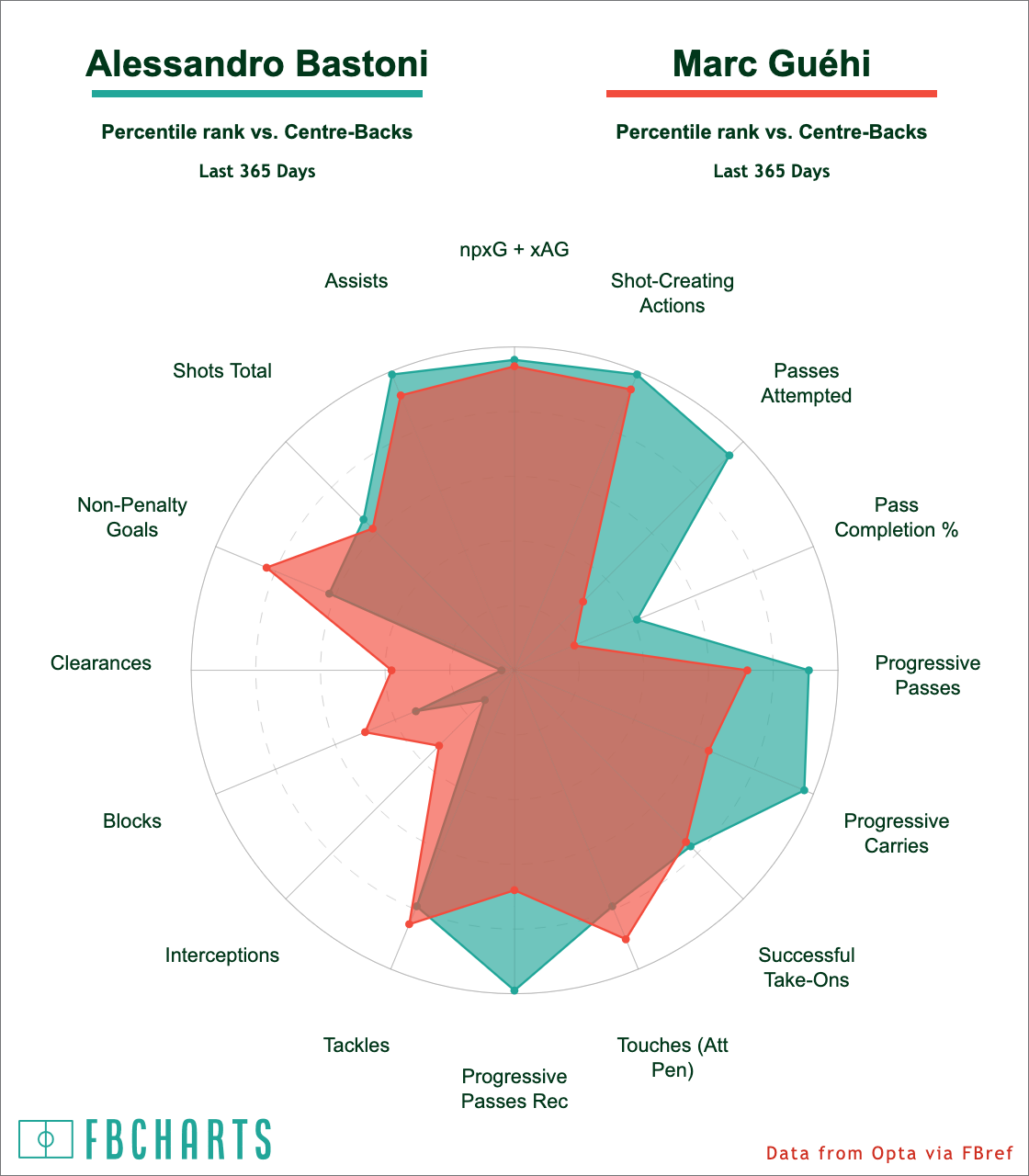
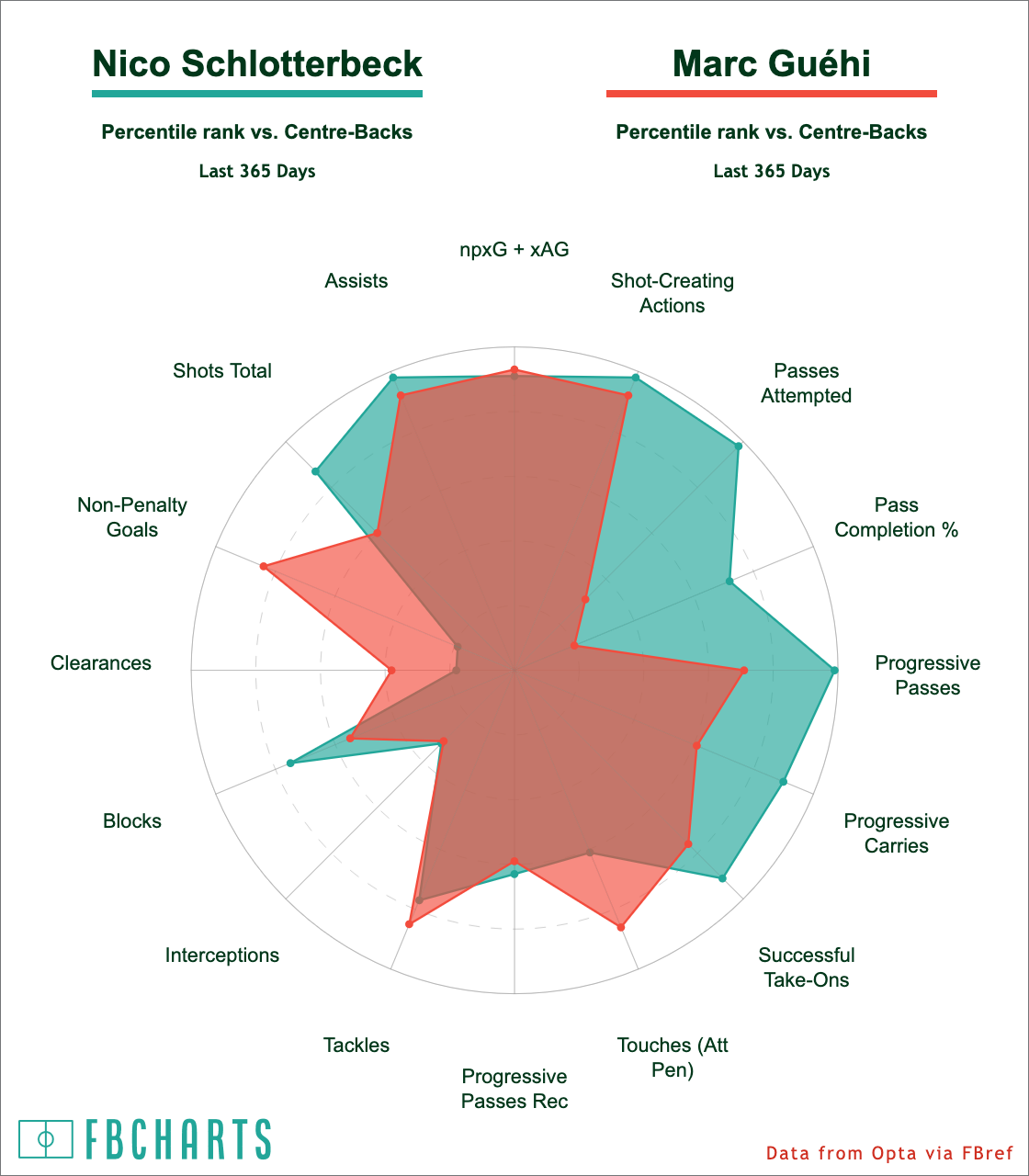
Names such as Micky van de Ven, Alessandro Bastoni and Nico Schlotterbeck have already entered the conversation, each bringing different attributes and different costs. None will be straightforward. None will be cheap. But Liverpool have time, and time still matters if it is used decisively.
The Guehi episode should serve as a lesson rather than a lament. Liverpool are still a powerful club with immense pull, but that pull must now be reinforced by momentum on the pitch. Projects thrive on belief, and belief is sustained by performance.
In January, Manchester City acted like a club certain of itself. Liverpool hesitated like one still defining its future. The gap between those positions may yet be closed, but Guehi’s move is a reminder that, in elite football, conviction is as valuable as cash.