The Future of Klopp
For most of the past two decades, the answer to that question was simple. Jürgen Klopp coached football teams. He animated touchlines, turned pressing into performance art, and built emotional connections that lasted longer than results ever do. Mainz, Dortmund, Liverpool — each stop added another layer to a reputation forged from intensity, empathy and belief.
And then he stopped.
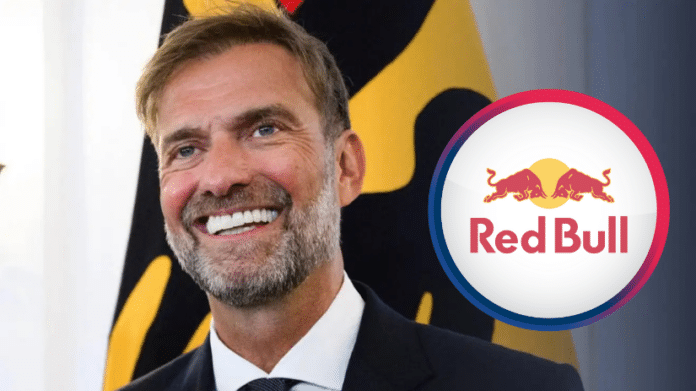
Or, at least, he stopped doing the job everyone thought defined him. Which is why, a year into his role as Red Bull’s Head of Global Soccer, the question still lingers: Klopp, Red Bull, what does he do now?
The answer, as explored in a detailed interview published by The Athletic and written by Sebastian Stafford-Bloor, is both broader and more human than a conventional job title allows.
Life after the dugout
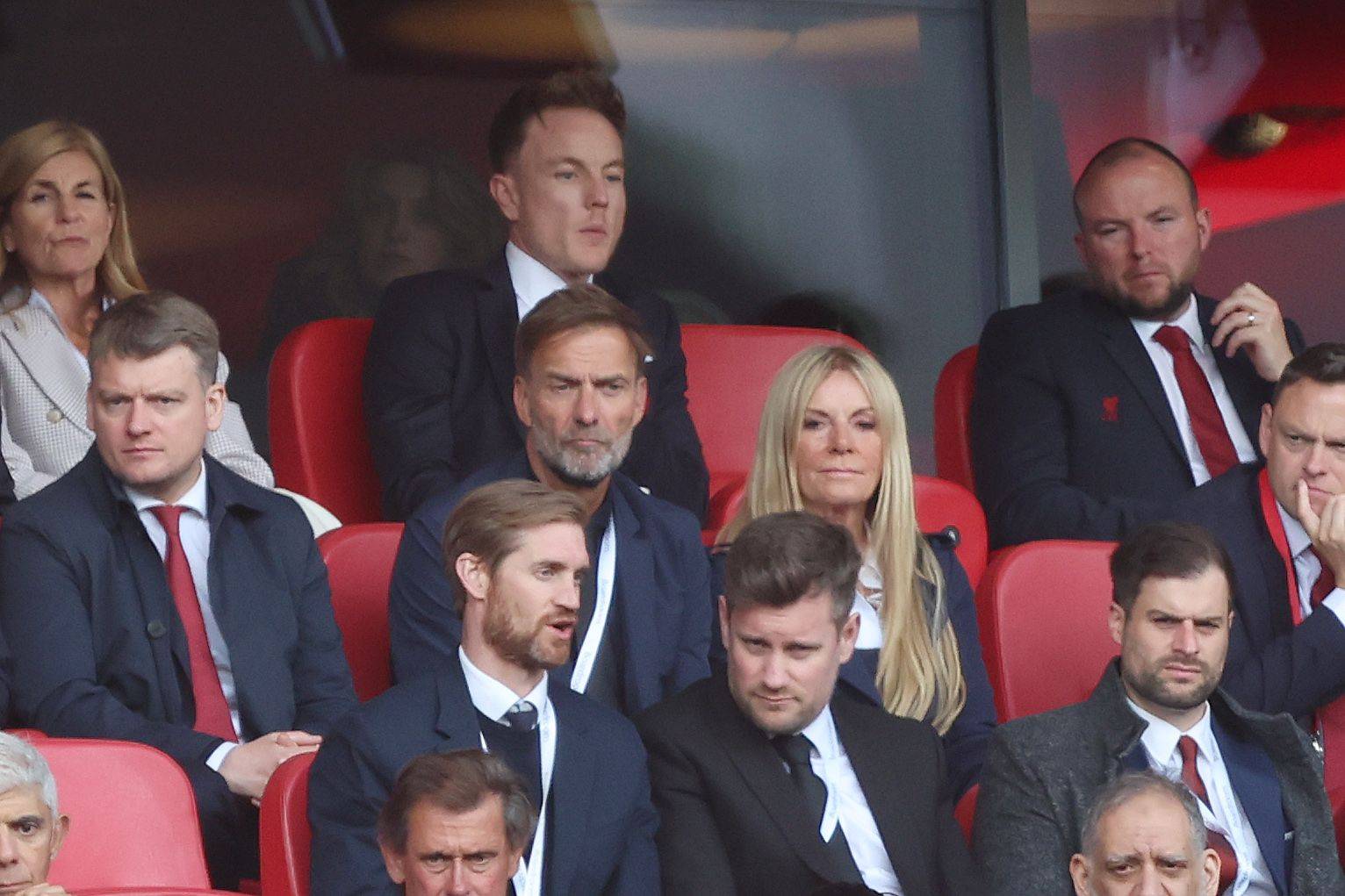
Klopp arrived at Red Bull seven months after leaving Liverpool in May 2024, stepping into a role that did not really exist before he took it. Even he admits that much. “I’m Jürgen Klopp, but I had no clue what that meant,” he said, laughing at the memory of those early days.
What it emphatically does not mean is micromanagement. Klopp is not selecting teams from afar, nor hovering over managers waiting for mistakes. He bristles at the suggestion that he is a “gravedigger” for coaches, describing his influence instead as advisory, calm when required, decisive when necessary.
That distinction matters. Red Bull’s football empire is vast: RB Leipzig sits at the top, supported by clubs in the United States, Brazil and Japan, alongside stakes and partnerships across Europe. To operate within that structure requires diplomacy as much as authority. Klopp’s first months were spent travelling, listening and learning — leadership by presence rather than decree.
Influence without interference
If Klopp’s role sounds deliberately vague, that is because influence, at this level, rarely comes with neat bullet points. He is, as he puts it, “around”. Available. Trusted. Present without being intrusive.
Players feel it. David Raum, RB Leipzig’s captain, speaks regularly with Klopp, receiving messages after matches and advice drawn from years at the elite level. Sporting directors value him, too. Marcel Schäfer has spoken of Klopp’s unique ability to communicate vision, particularly during recruitment conversations where belief can be as persuasive as tactics.
One prospective signing, Johan Bakayoko, recalled meeting Klopp without any sense of pressure. They talked about football, ideas, personality — even what Bakayoko might need if he joined a different club altogether. That approach captures the essence of Klopp’s Red Bull role: guidance without coercion, conviction without command.
Shaping a global football idea
Red Bull has long been known for identifying talent early and developing it quickly. Klopp is one voice in that system, not the loudest but perhaps the most resonant. His influence can be seen in subtle tactical shifts — Leipzig moving closer to a familiar 4-3-3 shape — and in structural decisions, such as strengthening the link between academy and first team.
Appointing David Wagner, a long-time confidant, as head of Leipzig’s academy was not about sentimentality. It was about coherence. Leipzig have historically struggled to produce homegrown players for their own first team. Whether that changes remains uncertain, but the pathway is now clearer than it has ever been.
More broadly, Klopp is deeply involved in identifying the next generation of coaches. He speaks about coach scouting in the same way others discuss players: potential, personality, adaptability. Over-performance, in his view, is not a threat but an expectation — successful coaches will move on, and Red Bull must always be ready.
At peace with not returning
Speculation about a return to coaching has never gone away. It flared again when Real Madrid dismissed Xabi Alonso, only for Klopp to dismiss any connection with a certainty that felt genuine rather than defensive.
He is 58, younger than many peers still pacing touchlines, yet clear-eyed about his own priorities. “I know I can coach a football team,” he said, “but that doesn’t mean I have to do it until my last day.”
What Red Bull has offered him is space: to learn, to mentor, to think differently. Business meetings, unfamiliar language, a global perspective — it is, by his own admission, five years of experience compressed into one.
Klopp, Red Bull, what does he do now? He connects. He advises. He reassures. He shapes ideas rather than line-ups. And, perhaps most tellingly, he sounds content doing it.