

Arne Slot, Xabi Alonso and the Unease of Modern Football Power
Anfield has never been a place that tolerates uncertainty particularly well. It thrives on conviction, on belief made flesh through noise and ritual. Yet as the 2026 season unfolds, Liverpool find themselves caught in a familiar modern contradiction: stability in results, instability in mood. The conversation around Arne Slot’s future has grown louder not because of collapse, but because of context — shaped sharply by events elsewhere.
The sudden removal of Xabi Alonso at Real Madrid has sent a ripple through Europe’s elite clubs. It is not simply the shock of the decision, but what it suggests about how quickly authority can evaporate, even at institutions that once prized patience. Slot, asked about Alonso’s exit, did not offer outrage or solidarity. Instead, he offered something rarer in football discourse: uncertainty.
His admission that he has “no clue” whether sporting director models are accelerating managerial turnover felt less like evasion and more like honesty. In an era desperate for certainties, that alone was revealing.
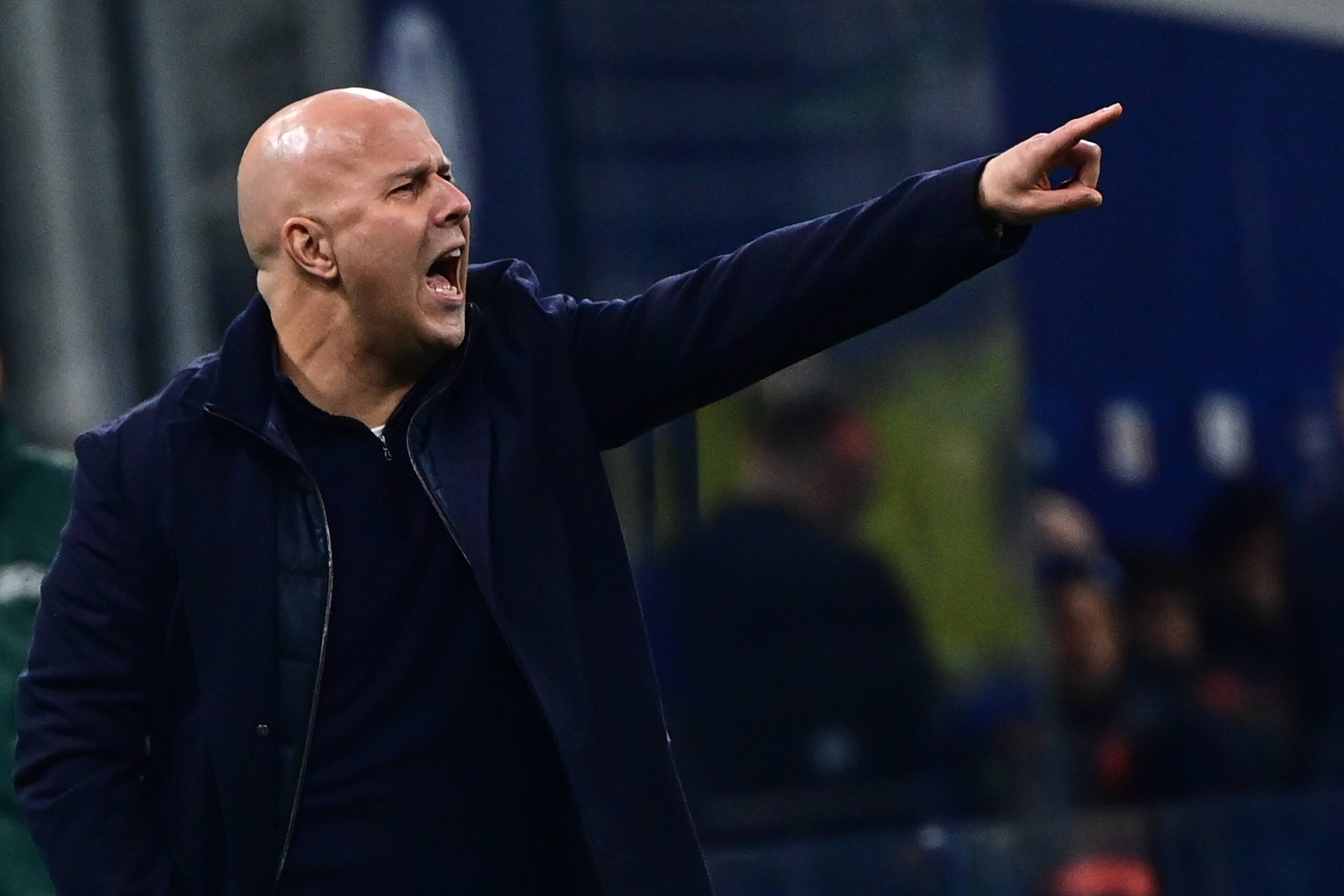
Slot’s Candour in an Age of Certainty
Slot’s comments landed softly, but their implications were sharp. He spoke not as a man fearing for his job, but as one observing a system he no longer fully recognises. Football once sold itself on the myth of long-term projects; now it trades in short cycles and instant recalibration.
Liverpool’s head coach pointed to examples that resist the trend. Pep Guardiola remains embedded at Manchester City. Mikel Arteta has been allowed time to reshape Arsenal. Carlo Ancelotti, Slot noted, had longevity at Real Madrid — which is precisely why Alonso’s fate feels so discordant.
Slot’s reflections echoed remarks first reported by Goal.com in January 2026, where the Liverpool coach questioned whether anything fundamental has changed at all. Maybe this is not a new era, he suggested, but an old one viewed through louder channels and faster reactions.
Still, even raising the question matters. Managers are rarely invited to admit uncertainty. Slot did so anyway.
Alonso’s Exit and Its Uncomfortable Echo
Xabi Alonso’s dismissal is unsettling precisely because it defies narrative logic. A former club legend, a coach with intellectual pedigree, removed after a brief and turbulent spell. The speed of the decision suggests impatancy rather than panic, a pre-emptive strike rather than a reaction.
For Liverpool supporters, the connection is unavoidable. Alonso was once admired as a potential successor to Jurgen Klopp. His availability now is not merely theoretical; it exists as a shadow behind Slot’s every result.
This is how modern football applies pressure — not through failure, but through alternatives. A manager can be unbeaten and still feel provisional. Slot’s Liverpool are twelve games without defeat, yet draws have dulled momentum. Boos have replaced belief. Progress is no longer measured solely in points, but in reassurance.
Anfield Pressure Without Collapse
There is something distinctly modern about being criticised while undefeated. Liverpool’s recent run tells two stories at once: resilience in results, fragility in confidence. Slot has delivered tangible success before, including title glory in his debut campaign, yet expectation resets quickly.
Supporters are not demanding miracles. They are demanding clarity. What is Liverpool becoming? What does Slot’s version of the club ultimately look like? These are questions that cannot be answered by unbeaten streaks alone.
The reaction to a draw against Burnley — complete with audible dissent — revealed how thin the margin has become. Slot remains calm, but Anfield is restless. That tension defines the present moment.
Football’s Shrinking Tolerance for Time
Slot insists he does not know whether sporting directors are to blame for accelerating sackings. He may be right. The truth is more uncomfortable: football no longer trusts time itself. Projects are allowed to exist only if they feel immediately convincing.
Liverpool’s structural shift to a head coach model was meant to distribute responsibility, not dilute it. Yet the optics remain the same. When results plateau, attention narrows. When alternatives emerge, patience erodes.
Slot’s refusal to dramatise his situation is notable. He does not frame himself as a victim of the system, nor as a revolutionary resisting it. Instead, he observes, calmly, as if aware that football’s cycles are bigger than any individual.
That may be his greatest strength — or his greatest risk. In 2026, uncertainty is not always forgiven. Sometimes it is simply replaced.