
Liverpool Restore Authority in Marseille as Champions League Confidence Returns
Liverpool’s Champions League campaign found renewed purpose in Marseille, where clarity of structure, authority of performance and calm leadership combined to deliver one of their most complete European displays of the season. Speaking on Anfield Index’s Post-Match Raw, Guy Drinkel and Hari Sethi reflected on a night that felt less like survival and more like restoration.
For a side that has endured turbulence domestically, this was a reminder of what Liverpool can still be when rhythm, discipline and belief align. Against ambitious opposition in a hostile environment, they did not merely endure. They imposed.
Context Surrounding European Examination
Heading into the fixture, anxiety lingered. Recent league performances had been uneven, confidence fragile, and fluency sporadic. Marseille, under Roberto De Zerbi, promised intensity, pressing and ambition. Their home record suggested danger.
Drinkel and Sethi acknowledged the nerves. Marseille’s attacking numbers and continental pedigree were not easily dismissed. Yet Liverpool approached the contest with restraint rather than panic.
Their midfield configuration prioritised control. Their defensive line remained compact. The full-backs balanced adventure with responsibility. From the opening exchanges, this was a team determined to dictate tempo rather than chase it.
In Europe, Liverpool have often found greater space to operate. Teams willing to engage suit their transitional instincts. This contest followed that pattern. Rather than being drawn into chaos, Liverpool managed the rhythm intelligently.
Tactical Clarity Under Pressure
Perhaps the most striking feature was coherence. Roles were defined. Responsibilities were respected. Nothing appeared improvised.
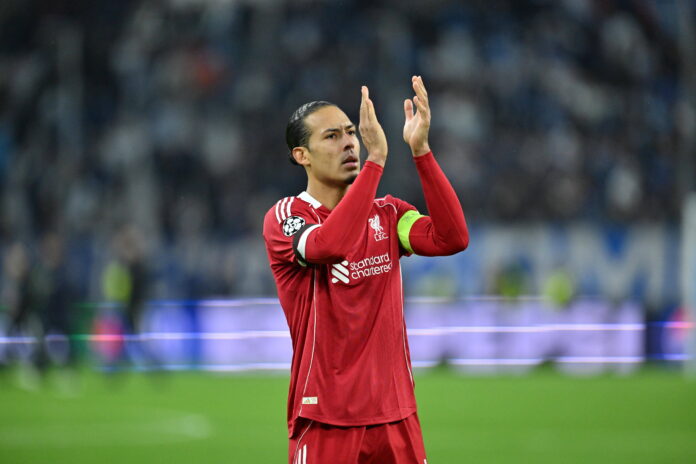
Virgil van Dijk and Joe Gomez progressed the ball with authority. Alexis Mac Allister anchored possession with intelligence. Dominik Szoboszlai provided relentless running. On the right, Jeremie Frimpong’s pace stretched Marseille’s defensive shape, creating width and opportunity.
Salah’s return added experience and composure. Even without a goal, his movement created space and uncertainty. Florian Wirtz and Hugo Ekitike combined cleverly, if not always clinically.
Sethi described the structure as “logical”, a word rarely associated with Liverpool’s recent domestic displays. In Marseille, however, patterns were visible. Pressing triggers were coordinated. Passing lanes were exploited. Rotations were rehearsed.
This was not reactive football. It was deliberate.
Performance, Patterns and Player Balance
Liverpool’s attacking play carried purpose. Vertical passing replaced lateral drift. One-touch combinations re-emerged. Switches of play stretched Marseille horizontally.
Frimpong’s outlet role allowed Salah to operate centrally. Wirtz drifted intelligently. Szoboszlai arrived late into dangerous zones. Ekitike provided depth and disruption.
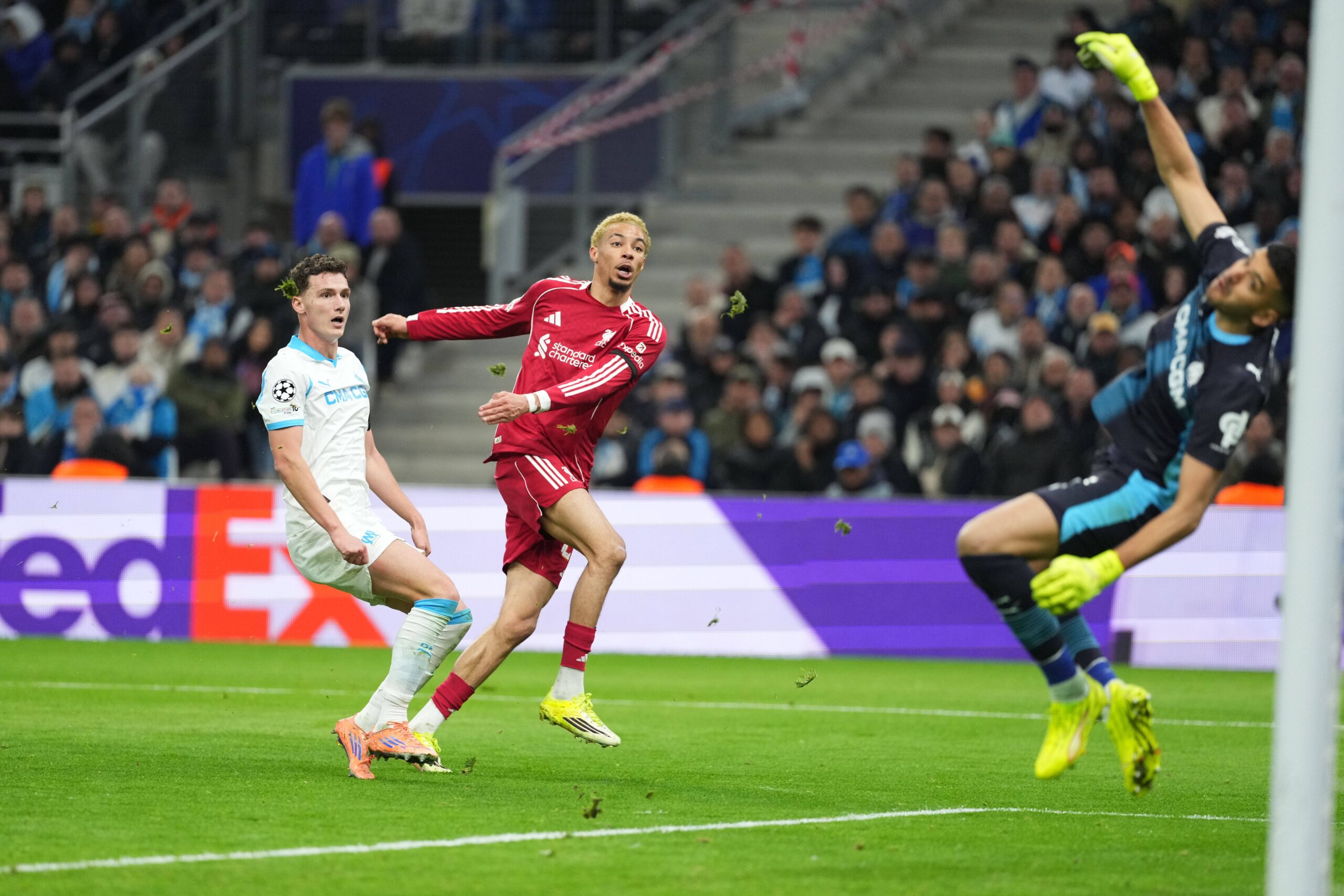
Opportunities followed. Some were missed. Others were marginally offside. Yet the volume of chances reflected sustained pressure rather than sporadic moments.
Defensively, Liverpool were disciplined. Counter-pressing limited transitions. Mac Allister and Gravenberch shielded effectively. Van Dijk’s distribution launched attacks as often as it repelled danger.
As Drinkel noted, few players fell below acceptable standards. That consistency has been elusive this season. Here, it returned.
Broader Reflections and Modern Football Realities
The evening also provoked wider reflection. Discussion on Post-Match Raw addressed football’s moral inconsistencies, particularly in relation to player conduct and institutional responsibility.
Without derailing the football narrative, both contributors acknowledged how elite sport too often prioritises talent over accountability. The Marseille fixture became a reminder that performance and ethics are increasingly intertwined in public perception.
From a sporting perspective, however, Liverpool departed France strengthened. This was not merely three points. It was reassurance.
Their Champions League identity remains intact. Their European instincts persist. When clarity replaces confusion, Liverpool still resemble a side capable of navigating complex continental terrain.
Whether this performance becomes a foundation or an exception now defines their season.