
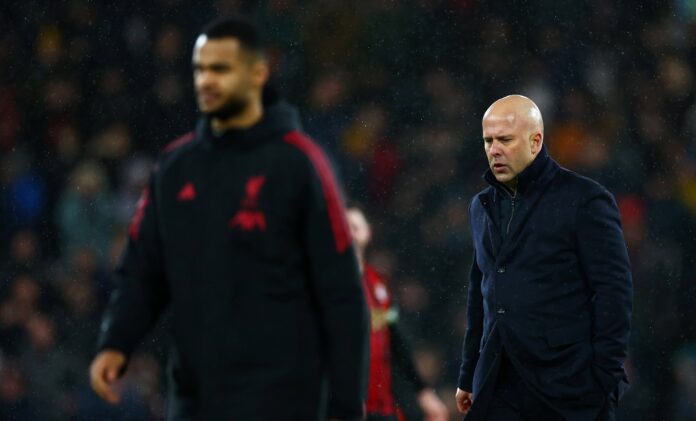

Slot is back under pressure – Bournemouth 3-2 Liverpool reaction
Liverpool arrived on the south coast with a chance to build on what had looked, on the surface at least, like a steadier spell. Yet David Lynch’s reaction on his YouTube channel after Bournemouth 3-2 Liverpool is not built on sentiment, or on the comfort of an unbeaten run. It is built on performance, and on what the Premier League eventually does to any side living on thin margins.
Early on, Lynch admits he was pulled in by the signs. He says some viewers might “want to blame me” because he had been “pretty optimistic” in the build up, pointing to “improvements in underlying performance against Arsenal, Burnley, and Marseilles”. He even says you could “talk yourself into feeling that Liverpool were about to turn a corner”, with Bournemouth “not in the best form”. Then comes the thud of reality: “That’s absolutely not what has happened.”
This was a 3-2 loss, and for Lynch it was also a stripping away of excuses.
Performance reality check in Premier League context
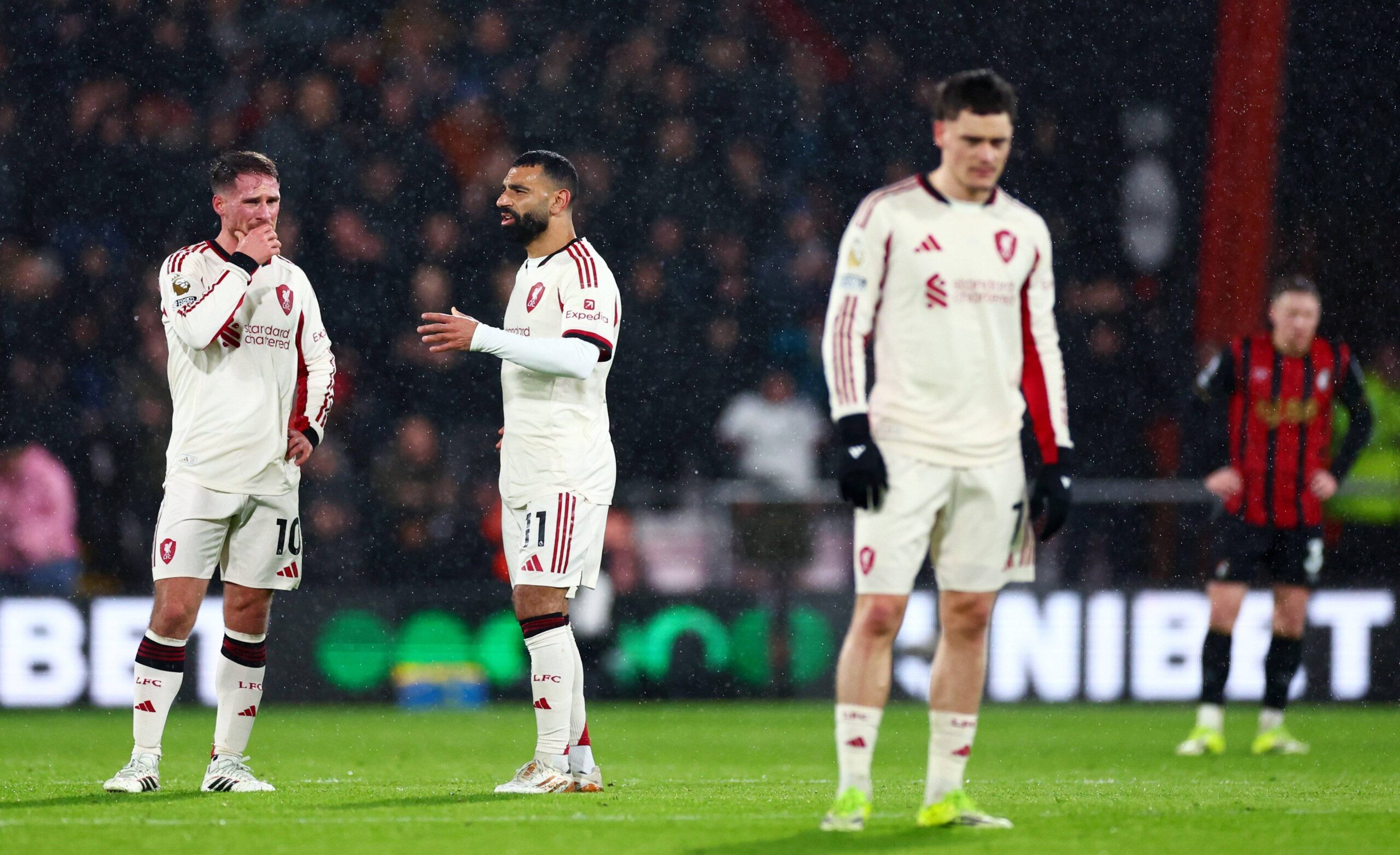
Lynch calls it “one of the worst performances in a long while really from Liverpool”, and he doesn’t treat the late winner as a hard luck story. “When that last minute winner comes, you hold your hands up and say, I’m not too disappointed because Bournemouth deserved it and Liverpool got what they deserved, which was absolutely nothing.”
He goes further, using language that matches how the match felt. “Bournemouth battered them,” he says, then backs it with numbers: “2.3 expected goals for Bournemouth… 0.83 for Liverpool.” He adds, “Six big chances for Bournemouth, just the one for Liverpool.” In other words, even in a game Liverpool briefly appeared to rescue, the underlying story never changed.
There is also a warning in how he frames the unbeaten run. He describes thinking late on that Liverpool had “got a point here in a difficult game”, then catches himself, because that thinking is exactly the trap. “You just can’t focus solely on outcomes,” he says, explaining why he had been critical through the run. If the underlying performance is poor, “it always catches up with you in the end.”
Unbeaten run masked deeper issues
For Liverpool, the headline number was the run. Lynch’s focus is the numbers that now replace it. He says the unbeaten streak was “something to hang your hat on”, even “something to maybe hide behind”. Now, he says, people will look elsewhere, including the blunt statistic: “It’s 5 wins in 18 league matches for Liverpool now. 5 wins in 18.” He adds, “Five Premier League games now without a win as well.”
He brings in another contributor by name, referencing an online post: “I saw a tweet from Michael Reed, who’s really good on statistics.” Lynch relays the point that five wins in 18 is “the worst since Kenny Dalglish’s final 18 games in charge where he also got five wins.” The point is not nostalgia, it is scale. This is what the form resembles.
He also challenges the idea that squad problems explain everything. He accepts “issues with the squad balance” and says Liverpool “didn’t finish the job over the summer”, selling “certain players that they shouldn’t have and didn’t replace them”. But he still asks, “Should Liverpool be this bad?” His own answer is clear. He says mitigation might mean “hanging around sixth”, but, “I can’t accept it’s a bottom half of the Premier League bad and it has been since September.”
Centre back debate and Liverpool transfer logic
Lynch knows what the post match conversation will turn into, and he tries to keep it honest. “Don’t use Wataru Endo coming in as the reason that Liverpool lost it,” he says, because “they were dreadful for the entire game.” He even credits Endo in specifics, saying he “did okay”, and “won four out of five duels”.
That said, he is just as firm that Liverpool need a centre back. “Liverpool clearly need a centre back. It’s so obvious.” He points to the Joe Gomez injury and pushes back against the idea that it will suddenly force action. “If a Gomez injury was enough to force Liverpool into the transfer market in Januar, they would have done it already,” he says, adding, “They know what Joe Gomez’s injury record’s like.”
He then lays out what he believes is the club’s standard line. Liverpool keep “the powder dry”, they “don’t make a lot of signings”, and therefore “when they do make them, they get them right.” Lynch replies, “I still don’t think that really stands up personally,” noting they “made eight signings in the summer”, so volume is not the barrier when the will exists.
He also references another name in the market discussion, saying a panic move would have been “paying £300,000 a week to Marc Guehi”, and adds, “I don’t think he’s worth that.” Yet the broader point remains. “I don’t think he’s the only centre half in the world.”
Attack worries and loss of patterns
Lynch’s biggest concern is not at the back, it is further forward. “My biggest concern has been what they do in forward areas,” he says. He sees an absence of repeatable attacking ideas: “The attacking patterns aren’t there.”
He paints a clear picture from the opening spell at Bournemouth. Liverpool “dominated that first 25 minutes”, moved the ball into “really promising situations”, yet “didn’t seem to have a clue what to do once they got there.” He underlines it with a detail that stings: despite that control, Liverpool had “one shot”, a Salah effort from outside the box worth “0.05 xG”.
Lynch’s language becomes telling here, because it is about structure, not effort. He says it can feel like, “Get the ball into final third and it will happen,” then adds, “It’s not happening at the moment.” In the Premier League, that vagueness gets punished, even against a Bournemouth side he reminds us had “won one game in 14 coming into this one”.
Professionalism lapse and rare bright spot
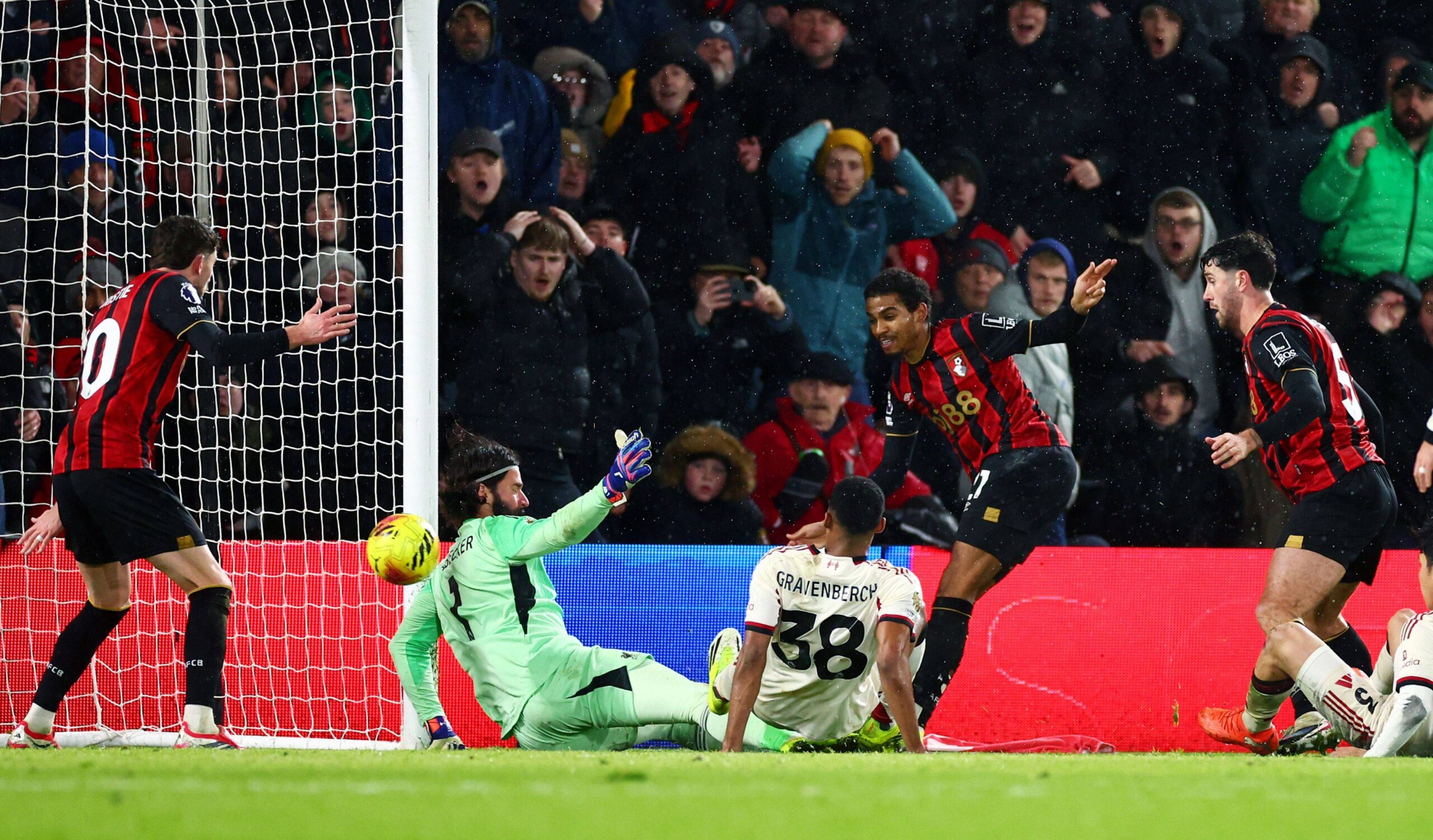
One moment, for Lynch, captures where Liverpool are. On the second goal, he says Liverpool had “10 players on the pitch” and “six minutes” to either “make a soft foul or kick the ball out of play”. They did neither. “I could not believe it,” he says. “This is professional football, you are professionals.” He calls it “naivity”, plus “stupidity”, plus a “lack of professionalism”.
He does offer a lift at the end, and it is specific. “I just want to end on a positive,” he says, naming Dominik Szoboszlai for “an assist and a goal”. Lynch calls him “the only player who’s been consistently good this season”, “a real leader who’s stepped up.” He also notes Florian Wirtz: “Wirtz was pretty good”, even if Lynch “would have liked to see him take a shot” late on.
The final note is bleak but direct. Lynch says it feels “back to square one for Arne Slot”. Liverpool were “pretty shocking”, Bournemouth “dominated them”, and the wider form means “that top four is looking pretty sketchy at the moment.”