
Gary Neville Rejects ‘Transition’ Excuse as Slot Faces Liverpool Scrutiny
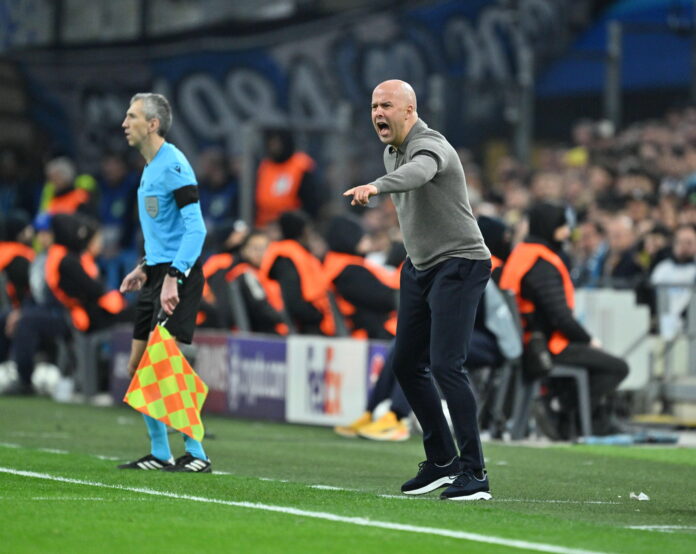
Liverpool’s stuttering Premier League campaign has prompted fresh debate over Arne Slot’s first full season in charge, with Gary Neville firmly rejecting suggestions that the club are operating in a period of transition. Following the 3–2 defeat to Bournemouth, the former Manchester United defender delivered a forthright assessment that has intensified pressure on Slot and his players.
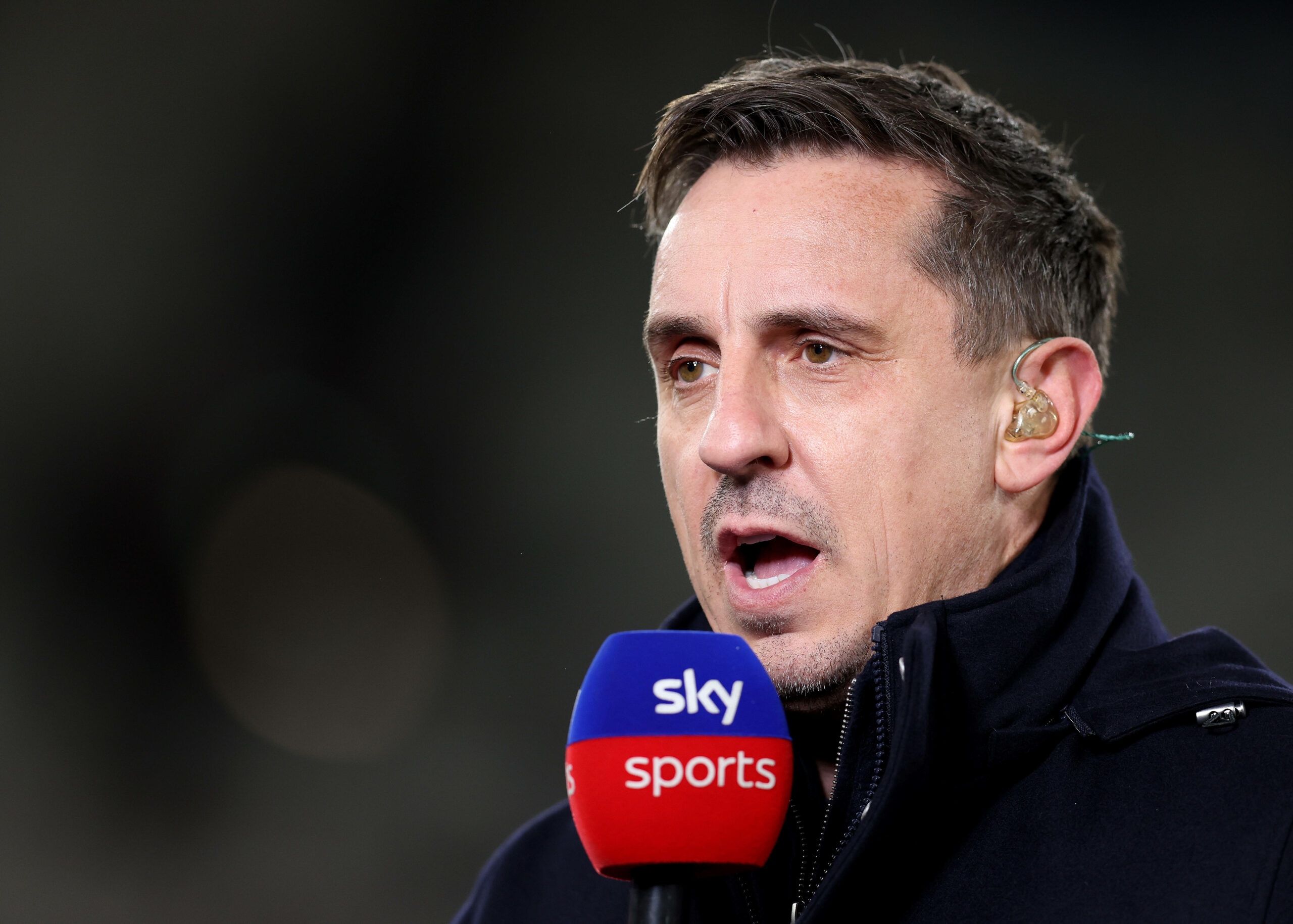
Speaking on The Gary Neville Podcast, and as reported by LiverpoolWorld’s Will Rooney, Neville argued that Liverpool’s heavy summer spending removed any justification for underperformance. With the Reds now hovering outside the title race and fighting for Champions League qualification, questions around identity, resilience and direction have become central to the narrative.
Neville’s remarks have resonated widely, particularly his insistence that Liverpool’s rebuild narrative does not align with the scale of their investment or their recent success. As the season enters a defining phase, Slot finds himself navigating a growing storm of scrutiny.
Neville Rejects Transition Narrative
Neville was unequivocal in dismissing claims that Liverpool are in a transitional phase. He stressed that last summer’s recruitment drive was designed to strengthen champions, not rebuild a weakened squad.
“I watched the Liverpool game and I always think when you win a league title that you have a lot of credit in the bank,” Neville said. “Arne Slot has won that title with that group of players last season… it was always going to be a transition season. Forget that, I’m not listening to that.”
He continued: “You’re £450 million spent in the summer on all those players was the season you were going to win back-to-back titles. Let’s not rewrite history.”
Neville’s central argument is that Liverpool entered the campaign with stability, experience and elite-level quality. With senior figures such as Mohamed Salah and Virgil van Dijk still central to the project, he believes expectations should have remained firmly aligned with title contention.
Slot’s Squad Investment Under Spotlight
Slot oversaw one of the most ambitious transfer windows in the club’s modern history, with major investment in attacking, defensive and goalkeeping areas. The arrivals were intended to refresh the squad while maintaining competitive standards at the top of English football.
Neville highlighted this point directly: “There was definitely a feeling Ekitike, Wirtz, Isak, Frimpong, Kerkez wasn’t a transition season transfer window, it was adding to a very stable squad of champions.”
From an external perspective, Liverpool appeared well placed to compete across multiple fronts. Financial backing, recruitment strategy and squad depth suggested continuity rather than compromise. Yet performances have failed to reflect that ambition consistently.
For Slot, the challenge has been integrating new signings while preserving the intensity and clarity that defined last season’s title-winning campaign. Injuries and fixture congestion have played a role, but critics argue that elite teams are expected to adapt.
Defensive Fragility and Loss of Edge
Beyond questions of structure and recruitment, Neville’s most stinging critique focused on Liverpool’s mentality and physical resilience.
“I have to say, the first time watching them, they looked a little bit soft,” he said. “Virgil van Dijk is a giant but at the end he got nudged off the ball… There’s a softness to them.”
He added: “They’ve become a bit nice and last season they were cutting. They have lost sharpness in their attacks and have gone soft in terms of defending.”
The Bournemouth defeat encapsulated these concerns. Liverpool conceded late from a long throw, struggled in key duels, and lacked authority during decisive moments. Despite recovering from an early deficit, they were unable to impose control.
Statistically, Liverpool remain competitive in possession and chance creation, yet defensive lapses and missed opportunities have undermined momentum. The balance between technical quality and competitive edge appears unsettled, a trend that has frustrated supporters and analysts alike.
Pressure Builds in Champions League Race
With Manchester United and Chelsea moving ahead in the table, Liverpool’s margin for error has narrowed. Neville suggested that rivals may now sense vulnerability.
“Liverpool have got to sort themselves out because Manchester United have just gone above them,” he said. “Maybe Liverpool’s players and Manchester United’s players will think that.”
The emphasis has shifted from title defence to damage limitation. Securing Champions League qualification remains achievable, but the psychological impact of slipping standards cannot be ignored.
Slot’s immediate priority is restoring clarity and intensity, particularly in high-pressure moments. The manager retains strong backing internally, yet sustained inconsistency risks eroding confidence.
As reported by LiverpoolWorld, Neville’s intervention reflects a broader industry view that Liverpool’s resources demand more. The notion of transition, once used as a shield, is no longer widely accepted. For Slot and his squad, the coming weeks represent a critical test of character and credibility.