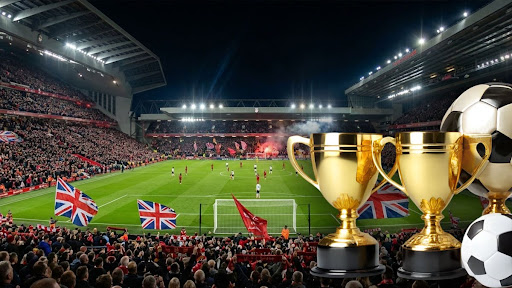

Liverpool entered 2025/26 as champions, yet the data tells a harsher story. After 22 matches, Arsenal are clear at the top while Manchester City and others keep pace. At the moment, Liverpool sit fourth, chasing points and control in games.
Below, you will see why this title defense has turned into a fight for credibility, how Arsenal and Manchester City keep setting brutal standards, and what Liverpool must fix fast, from defensive control to big match execution.
Arsenal Set the Pace and Liverpool Feel Every Gap
Arsenal’s lead is not just numbers, it is authority on betting sites. They have conceded so few goals that most matches look settled before the second half. For Liverpool, that creates pressure to chase perfection, because dropped points do not fade away.
Liverpool’s October and November wobble still haunts the conversation, even with a long unbeaten run since the Liverpool vs Brighton match. The gap is 14 points, and that changes how every away match feels. One sloppy transition can turn a decent performance into regret.
The bigger issue is that Arsenal do not need chaos to win. They win with calm, structure, and repeatable patterns. Liverpool can match intensity, but must match patience too. When Arsenal close games, they make opponents run out of ideas.
Manchester City Make Small Mistakes Costly
Manchester City are not always flawless, but they punish hesitation like no one else. Their chance creation stays high, and they do not need many openings to score in Liverpool vs Manchester City. Liverpool have to be brave on the ball, yet also ruthless when Manchester City lose shape.
The Anfield meeting on February 8 carries weight beyond three points. Liverpool have done well in recent league meetings, and that memory matters. Still, Manchester City arrive with a mindset that they can take control anywhere, and they often do.
What makes Manchester City dangerous is how quickly they change gears. Liverpool’s counter press can look strong, but one missed tackle can open the lane behind. In seasons like this, details decide narratives. Manchester City live off opponents being slightly late.
A New Look Attack Must Carry the Load
Liverpool spent big and tried to level up quickly. Wirtz brings vision between the lines, Frimpong adds direct running, and Ekitike has been the sharpest story. His recent goals have mattered because they arrived when pressure was loudest.
Ekitike’s brace against Brighton in December did more than win points. It reminded everyone Liverpool still has match winners, not just hardworking runners. That matters in the UK spotlight, where confidence swings fast. Goals make tactics look smarter overnight.
Dominik Szoboszlai has also helped keep the tempo honest. Even without dramatic headlines, his work in chance creation keeps Liverpool from turning predictable. Still, new combinations take time, and time is exactly what a title chase never gives. Chemistry must arrive quickly.

Defensive Control and the Counter Attack Problem
Liverpool’s defensive numbers show the struggle in plain sight. They have conceded enough that matches rarely feel comfortable, and the goal difference looks modest for a contender. The biggest pain comes when opponents break quickly into the space behind.
Slot’s system asks for control through pressure and positioning, but it can be exposed if the first duel is lost. That is where Ibrahima Konate matters, because he can defend big spaces and still step in, and rest defense in transition moments is where games swing.
Yet this is not only about centre backs. Fullbacks and midfielders must sense danger earlier, because counters begin with a simple pass that should never be allowed. When Liverpool manage those moments, they look like champions. When they do not, they chase shadows.
The Run In and What Success Really Looks Like
Liverpool’s league run is crowded with tests. Sunderland away on February 11 brings its own edge, and West Ham at Anfield on February 28 will demand focus in Sunderland vs Liverpool. Brighton in the FA Cup on February 14 adds another layer, while Arsenal’s set piece edge this season stays a warning.
Meanwhile, the Bournemouth away match on January 24 is a classic trap. It is easy to talk about Manchester City and Arsenal, then drop points against a stubborn side. For UK fans, those are the fixtures that decide whether a season stays alive.
With the title likely gone, the target becomes sharper, not softer for Liverpool vs West Ham. A top four finish is non-negotiable, and cups offer a route to meaning. Liverpool must treat each competition with intent, because silverware changes how a season is remembered.
Squad Depth, Injuries, and the Rotation Trap
Rotation only works when it protects the team’s core and keeps roles familiar before Nottingham vs Liverpool. The table below compares smart rotation versus risky rotation, so it is clearer where Liverpool gain an edge and where they hand momentum back to England’s giants.
| Rotation approach | What it looks like | Likely outcome |
| Spine protected | Keep first-choice centre backs, holding midfielder, and main creator stable | Shape stays consistent, and late-game control improves |
| Roles stay familiar | Swap one or two positions, but keep partnerships and pressing triggers intact | Players react faster, and transitions are easier to manage |
| Rotation gets too heavy | Change multiple lines at once, especially midfield and fullback roles | Rhythm breaks, spacing opens up, and counters become dangerous |
Conclusion
Liverpool’s season is still worth watching because it is real, not comfortable. The giants have raised the bar again, and Liverpool are trying to meet it while rebuilding parts of the team. Fourth place is not glory, but it is a platform.
Still, the second half can flip the mood if Liverpool defend transitions, keep Ekitike firing, and take points in the headliners with Hugo Ekitike. UK supporters know momentum can change quickly, especially at Anfield. If Liverpool finish strong, the story becomes a warning.
FAQs
Why does Liverpool’s midfield balance matter more than usual in 25/26?
A stable midfield balance improves pressing timing and reduces second ball losses that trigger emergency defending. It also helps Liverpool manage match tempo, sustain attacks longer, and protect fullbacks when opponents target wide channels with quick switches and late runners.
Can Liverpool improve set piece results without changing their overall style?
Yes, because set pieces rely more on rehearsed movement and marking discipline than open play patterns. Better delivery, clearer assignments, and stronger second phase positioning can add reliable goals while reducing conceded chances, especially in tight matches decided by small margins.
How do refereeing trends affect Liverpool’s games against top sides?
Refereeing trends shape how aggressively Liverpool can press and how quickly momentum shifts after physical duels. When officials allow contact, transitions become sharper and mistakes are punished faster, while stricter enforcement can slow games and reward teams that keep possession patiently.
Does fixture congestion change how Liverpool should approach Champions League nights?
Yes, because congested schedules demand sharper energy management and clearer tactical priorities across competitions. Liverpool can protect league form by controlling match tempo in Europe, using game state decisions earlier, and preventing unnecessary sprints that compromise recovery for domestic fixtures.