

Jarell Quansah’s Liverpool Future Raises Fresh Questions Over Defensive Planning
Liverpool’s long-term defensive strategy is once again under scrutiny, with growing discussion around whether Jarell Quansah could yet return to Anfield following his departure in 2025. Amid ongoing centre-back concerns and continued squad evolution under Arne Slot, the situation has prompted renewed debate about recruitment, development, and succession planning.
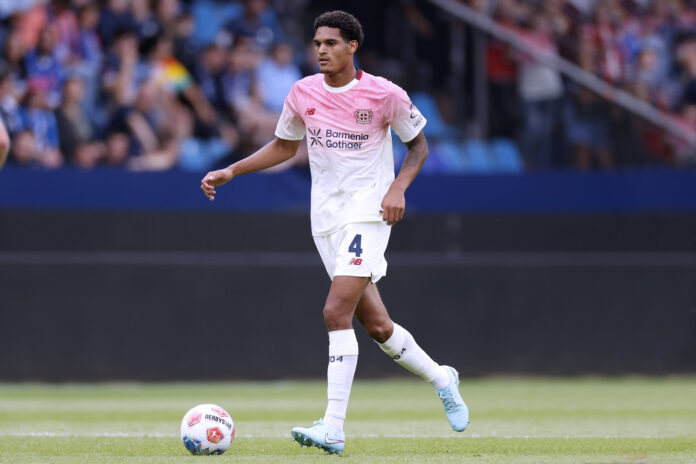
As first reported by TalkSport, the former Liverpool academy graduate has impressed since moving to Bayer Leverkusen, becoming a regular starter in Germany. His progress has only intensified conversations about whether his exit was premature, particularly given Liverpool’s recent defensive instability.
Quansah’s Development Since Leaving Anfield
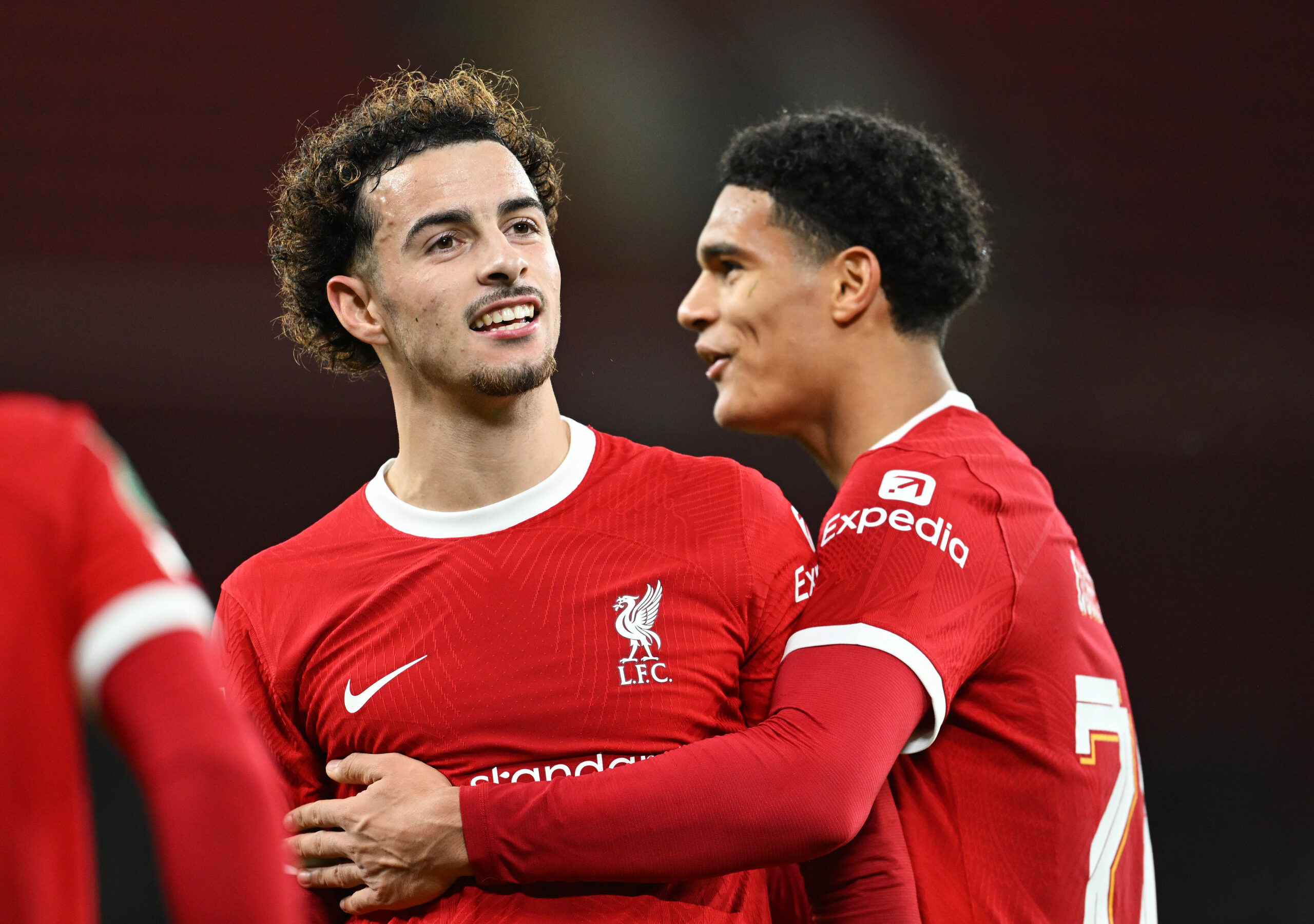
Quansah’s departure last summer was driven by a lack of consistent first-team opportunities. Despite being highly regarded internally, he found himself on the fringes of the senior squad, prompting a move in search of regular football.
At Bayer Leverkusen, the England Under-21 international has thrived. His composure in possession, aerial strength, and positional awareness have made him a dependable presence in Bundesliga football. Regular exposure to high-level European competition has accelerated his development and sharpened his tactical understanding.
Liverpool, meanwhile, have endured repeated defensive disruptions. Injuries to key personnel and frequent rotation have undermined continuity at the back. In that context, Quansah’s absence has been increasingly felt, particularly given his homegrown status and familiarity with the club’s playing philosophy.
His performances in Germany have reinforced the perception that he could have been a valuable squad option during this transitional period.
Brassell’s Assessment of Potential Return
Speaking to talkSPORT, football journalist Andy Brassell raised the possibility that Liverpool may eventually seek to bring Quansah back to Merseyside.
He said: “I wonder if at some point Jarell Quansah maybe comes back. I think that has to be a question as well. We’ve seen that before with players going out to the Bundesliga.
“Or do you even look at going way back, look at Dani Carvajal having his year in Leverkusen before going back to Real Madrid and becoming a Real Madrid legend. That’s always a possibility, I think.”
Brassell’s comments highlight a familiar developmental pathway, where young players gain experience abroad before returning more complete and confident. Liverpool have previously utilised similar strategies, although buy-back clauses and long-term planning are crucial to making such models work effectively.
Whether any formal mechanism exists to facilitate Quansah’s return remains unclear, but the precedent is firmly established within European football.
Liverpool’s Ongoing Centre-Back Concerns
Liverpool’s defensive unit has struggled for consistency throughout the current campaign. Giovanni Leoni, Joe Gomez, and Ibrahima Konate have all spent time sidelined, forcing frequent tactical adjustments.
In response, the club moved decisively in the transfer market. Leoni was recruited as a developmental option, while Jeremy Jacquet was secured in a deal worth around £60 million, underlining Liverpool’s commitment to strengthening the position.
However, Brassell has suggested that these additions alone may not be sufficient. He warned that Liverpool must continue investing in central defence to avoid over-reliance on a small core of players.
He said: “I’m sure Liverpool will go out and buy another centre-back from here. They have to.
“They really have to go out and buy a new centre-back from here because, depending on what happens with Van Dijk, they can’t have Van Dijk plus Jacquet and Leoni going into next season.”
With Virgil van Dijk entering the latter stages of his career, succession planning remains a pressing priority.
Long-Term Planning Under Slot and Recruitment Team
Under Arne Slot, Liverpool have adopted a more structured, forward-looking recruitment model, prioritising age profile, resale value, and tactical suitability. The emphasis has been on assembling a squad capable of sustained competitiveness rather than short-term fixes.
Quansah’s situation fits neatly into this wider context. His development abroad aligns with the club’s broader philosophy of nurturing talent through strategic exposure. Yet his absence also highlights the risks involved when young players are allowed to leave without clear reintegration pathways.
The arrival of Jacquet and Leoni suggests Liverpool are investing heavily in future-proofing their defence. However, the club’s hierarchy must balance external recruitment with internal development to maintain squad harmony and financial efficiency.
Should Quansah continue progressing, his profile may once again align with Liverpool’s needs. Whether through a formal buy-back clause or renewed interest in the transfer market, his name is likely to remain part of the conversation.
For now, his success in Germany serves as both encouragement and caution: a reminder of Liverpool’s strong academy production, and of the importance of retaining elite young talent at the right moment.