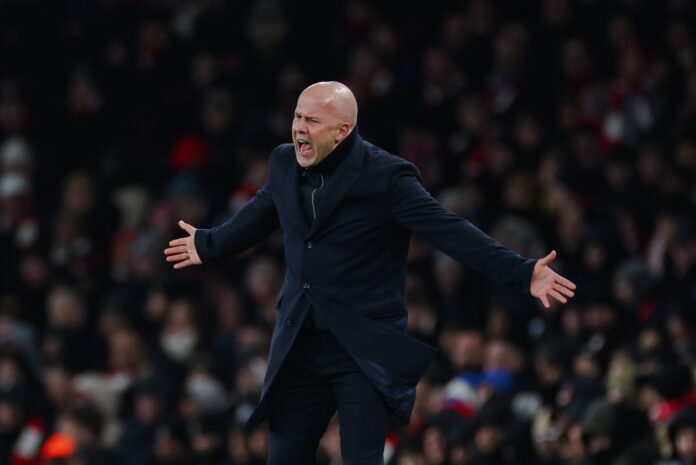

Arne Slot Reflects on Liverpool’s Season of Luck and Late Setbacks
Liverpool head coach Arne Slot has offered an honest and introspective assessment of his side’s struggles this season, addressing the recurring theme of misfortune, late goals, and the fine margins that have shaped their campaign.
Speaking during his latest media briefing, Slot was asked directly whether Liverpool have been victims of bad luck. His response combined realism, self-analysis, and a determination to keep focus on performance rather than misfortune.
With Liverpool continuing to fight for consistency and momentum, the manager’s comments provide insight into how he is attempting to balance accountability with resilience during a challenging period.
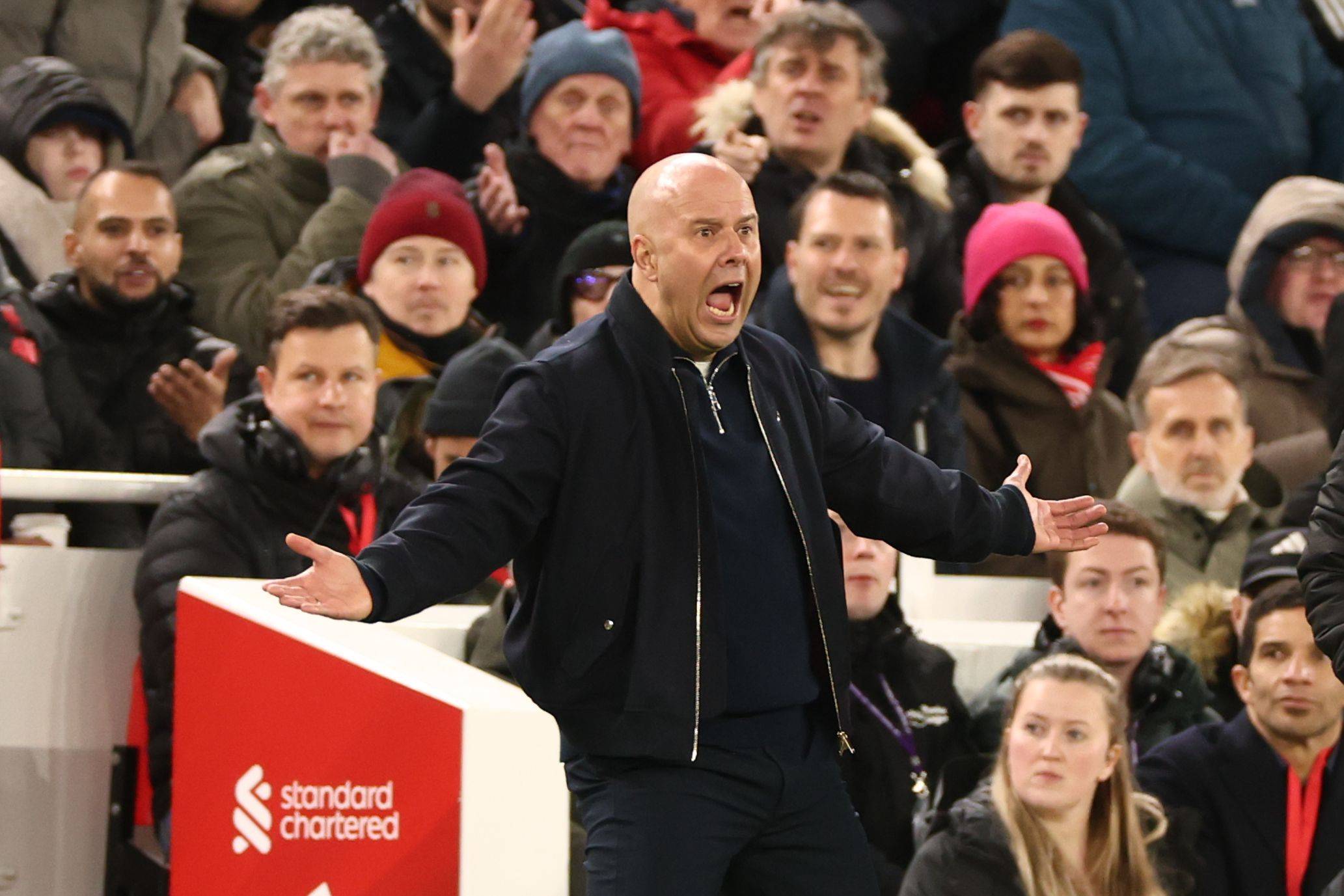
Slot Addresses Perception of Bad Luck
Slot did not dismiss the idea that Liverpool have suffered from poor fortune, admitting that circumstances have often felt stacked against his squad.
“It feels like that, that is for sure. I said even if we sign a player and he is not even playing for us he gets injured. Sometimes it feels like that but the moment you feel it is all bad luck it comes to you as well, so we should keep it away as much as possible and just focus on the performance. Focus on what we can do to improve it.”
This statement reflects Slot’s broader philosophy. While acknowledging setbacks, he is reluctant to allow the narrative of bad luck to dominate the dressing room.
From injuries to disrupted preparations, Liverpool have encountered repeated obstacles. However, Slot’s emphasis remains on controllable factors such as intensity, tactical execution, and decision-making.
By encouraging his players to “keep it away”, he is seeking to prevent negativity from becoming embedded in the squad’s mindset, particularly during a demanding phase of the season.
Late Goals Raise Difficult Questions
One of the most persistent issues for Liverpool this campaign has been their vulnerability in the closing stages of matches. Slot addressed this directly, questioning whether misfortune alone can explain the trend.
“But the amount of times we have conceded late goals in extra time is far more than usual, is it bad luck or are we to blame?”
This rhetorical question highlights the internal debate within the coaching staff. While individual incidents may appear unlucky, repeated patterns often point to structural or psychological factors.
Late concessions can stem from fatigue, lapses in concentration, or difficulties in managing pressure. For Liverpool, these moments have proved costly in terms of points and momentum.
Slot’s willingness to publicly raise this issue suggests a desire for accountability rather than excuses. It also indicates that performance analysis has become increasingly focused on closing stages, where fine margins frequently determine outcomes.
In high-level football, the difference between resilience and regret is often decided in these final minutes, making this area a priority for improvement.
Tactical Adjustments Fail to Change Pattern
Slot also revealed that he has experimented with different approaches in an attempt to address Liverpool’s late-game problems, without finding a definitive solution.
“I have tried many different things, I have made defensive substitutions and the ball went in and I kept playing the same players and the ball went in so we have tried a lot.”
This admission offers rare insight into the tactical uncertainty surrounding match management. Whether protecting a lead through substitutions or maintaining attacking structure, neither approach has consistently prevented late setbacks.
Defensive changes can sometimes disrupt rhythm, while sticking with the same personnel risks fatigue. Slot’s comments suggest that both strategies have produced similar outcomes, underlining the complexity of the issue.
For Liverpool, this has created a cycle of frustration. Matches that appear under control have slipped away late on, reinforcing the sense that something intangible may be working against them.
However, Slot’s analytical tone indicates that the coaching staff continue to search for data-driven and psychological solutions rather than accepting these moments as inevitable.
Liverpool’s Identity Under Examination
Perhaps the most revealing part of Slot’s remarks was his reflection on whether Liverpool’s struggles are purely circumstantial or indicative of deeper traits.
“I can say we haven’t been lucky, that is definitely true. Is it then unlucky or part of who we are? That is something we can find out in the upcomign three to four months.”
This statement points towards a period of self-evaluation for both manager and players. The coming months will determine whether Liverpool can redefine their narrative or remain trapped by familiar patterns.
Slot appears open to the possibility that recurring issues may reflect habits, decision-making processes, or squad balance rather than chance alone.
By framing the next phase as a test of identity, he is placing responsibility on collective improvement. The implication is clear: sustained progress will require more than hoping for better fortune.
Instead, Liverpool must demonstrate greater control in decisive moments, improved game management, and stronger mental resilience.
As the season approaches its climax, Slot’s reflections underline a manager deeply engaged with both the emotional and technical aspects of leadership. Rather than blaming luck, he is challenging his squad to shape their own destiny.
Whether Liverpool can transform frustration into consistency will define how this campaign is ultimately remembered.