
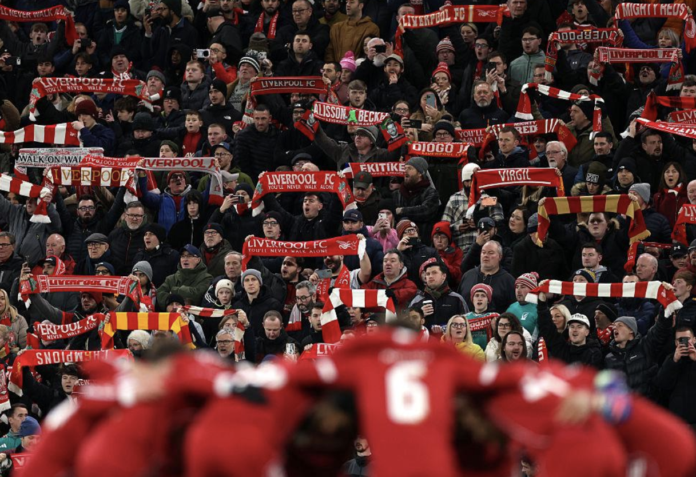

If you have only seen Anfield on television, you have not really met it. The camera catches the pitch, the Kop, a few tight shots of faces mid song, then it cuts away. What it misses is how the stadium sits inside a working part of Liverpool, not as a glossy island but as a weekly landmark with people orbiting it. On a matchday, you feel that pull from streets that are still residential, from corner shops and front gardens, from the steady stream of supporters who walk as if they are joining something already in motion.
The first thing that hits you is the sound arriving early. Long before kick-off, you hear songs breaking out in patches, then knitting together as more people appear. The atmosphere is not manufactured for cameras. It is built by habit. That habit includes all the modern rituals too, checking team news, texting mates, and, for some, a quick glance at BetGoodwin football betting prices to see how the afternoon is being framed. Then the attention shifts back to the real thing, the walk, the queues, the sense that you are stepping toward a place that carries its own memory.
The Walk In
Anfield is often described as famous, but that word is too blunt. It is intimate. The stands feel close to the pitch, and the ground seems to breathe when the crowd changes tempo. Even after redevelopment, there is still a tightness to it, a feeling that the stadium has grown out of its surroundings rather than being dropped onto them. You do not approach it on a wide boulevard. You arrive through everyday streets, and then, suddenly, the brickwork and steel are right there, towering above you like a neighbour who has been quietly getting bigger over the years.
The current shape of Anfield is a mix of eras, and that is part of the point. The new Anfield Road Stand has changed the skyline and increased capacity, but it has not stripped out the old personality. You still sense the ground’s earlier versions in the corners, in the way some routes funnel you into familiar choke points, in the small pauses where people stop to take photos because they know this is a place they will want to remember precisely. Outside, the club has leaned into museum pieces and official experiences, yet the real museum is the matchday itself. Every fixture adds another layer.
A Stadium That Holds the City
There is a particular kind of anticipation that builds at Anfield because the stadium is tied so closely to Liverpool’s identity. That is not marketing. It is visible in the way families arrive together, in the accents that tilt from local to global, in the casual confidence of supporters who know the club’s history does not need to be explained. You see older fans who can talk you through decades of teams and managers without romanticising any of it. You see younger fans for whom the modern Liverpool is their starting point, but who still understand that the club’s story is bigger than one era. The stadium holds all of that at once.
The Kop and the Rhythm of a Game
Inside, the Kop remains the reference point. It is not just a stand. It functions like an engine. When the Kop catches a moment, a press, a tackle, a run down the flank, the whole ground reacts faster. That is not because the rest of Anfield is quiet. It is because the Kop sets the rhythm. There are matchdays when it feels like the stadium is leaning forward, urging the players to keep the ball moving, to keep the tempo high. There are other days when it feels more watchful, waiting for a cue. Either way, it is a presence, and it shapes how the game is experienced.
The song everyone associates with Liverpool becomes different in the stadium. You hear it from outside sometimes, carried on the air as you get close, but inside it is heavier, slower, more communal. The words are familiar enough that you can sing them without thinking, yet the atmosphere makes you listen. It is not performance. It is a moment of collective focus, the crowd telling itself what it believes, reminding itself what it has endured and what it expects. Visiting supporters often say it is intimidating. Liverpool supporters would tell you it is grounding.
Close Enough to Feel It
Anfield also has an odd ability to make small details feel important. The way the light changes under the roof. The sightlines that keep the pitch as the centre of everything. The sense that you are close enough to hear the ball strike boots, to catch the sharpness in a shout from the touchline. In larger, more modern stadiums, you can sometimes feel as if you are watching football from a distance, with the event framed for consumption. At Anfield, you feel involved, even if you are just one person among tens of thousands.
Outside the Turnstiles
The surrounding area contributes to that feeling. The matchday economy is not hidden. It is visible in the food stalls, the taxis, the pubs, the scarves, the match programmes, the casual trading of tips and opinions. You can walk past the murals and understand that they are not decoration. They are statements of what the club means to people who live nearby and to people who travel a long way to be here. The stadium is a football venue, yes, but it also functions as a community marker. That is why its history is spoken about with such care.
It would be easy to turn an Anfield piece into a list of famous nights, a roll call of European comebacks and title charges. Those moments matter, but the stadium’s real character is in the ordinary match. A Saturday afternoon against a mid table side, a cup tie that begins cautiously, a wet evening when the ball skids and the crowd grows restless. Anfield does not only come alive for the biggest occasions. It responds to effort, to intensity, to a sense that the players have met the crowd halfway. When it feels that connection, the noise rises and the game changes shape.
The Walk Out
Leaving is its own ritual. The final whistle brings a release, either happy or bruised, and then the slow movement back through the streets begins. You hear the immediate debriefs, the tactical complaints, the praise for a full back’s discipline, the arguments about substitutions. Anfield empties, but the feeling lingers because you do not exit into emptiness. You exit into Liverpool, into streets that are still there once the matchday crowd fades. That continuity is the point. Anfield is not just where Liverpool play. It is where Liverpool gather, return, and measure themselves, week after week, season after season.