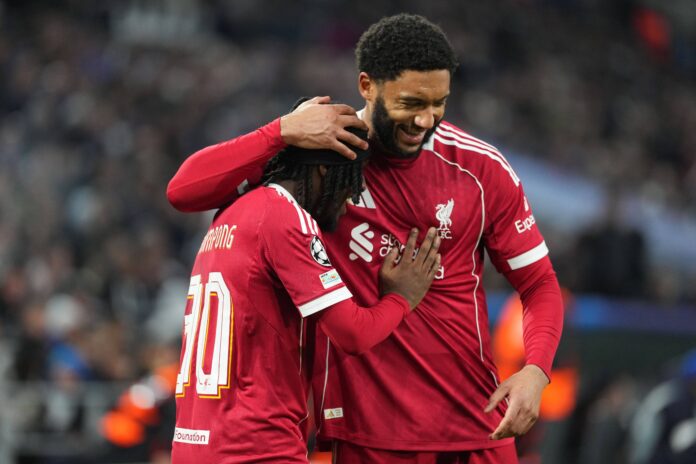

Frimpong Return Gives Slot Renewed Belief in Liverpool’s Champions League Charge
Liverpool’s season has felt like a study in resilience, a campaign teetering between revival and regret. Yet as the fixtures tighten and the stakes sharpen, Arne Slot has made one point abundantly clear: pace changes everything. And in Jeremie Frimpong, he believes Liverpool possess a weapon they have scarcely been able to deploy.
Speaking ahead of a pivotal double-header against Wolverhampton Wanderers, Slot did not hide from the reality that Frimpong’s limited involvement has disrupted the rhythm of Liverpool’s rebuild. The original source, Liverpool.com, detailed Slot’s candid assessment of how injuries have shaped the Reds’ push for Champions League qualification. The message was unmistakable. Frimpong matters.
Liverpool’s recent 5-2 victory over West Ham underlined the squad’s forward thrust, but it was Frimpong’s late cameo that stirred intrigue. His cross forced an own goal and reminded supporters what has been missing: incision, acceleration, chaos in controlled areas.
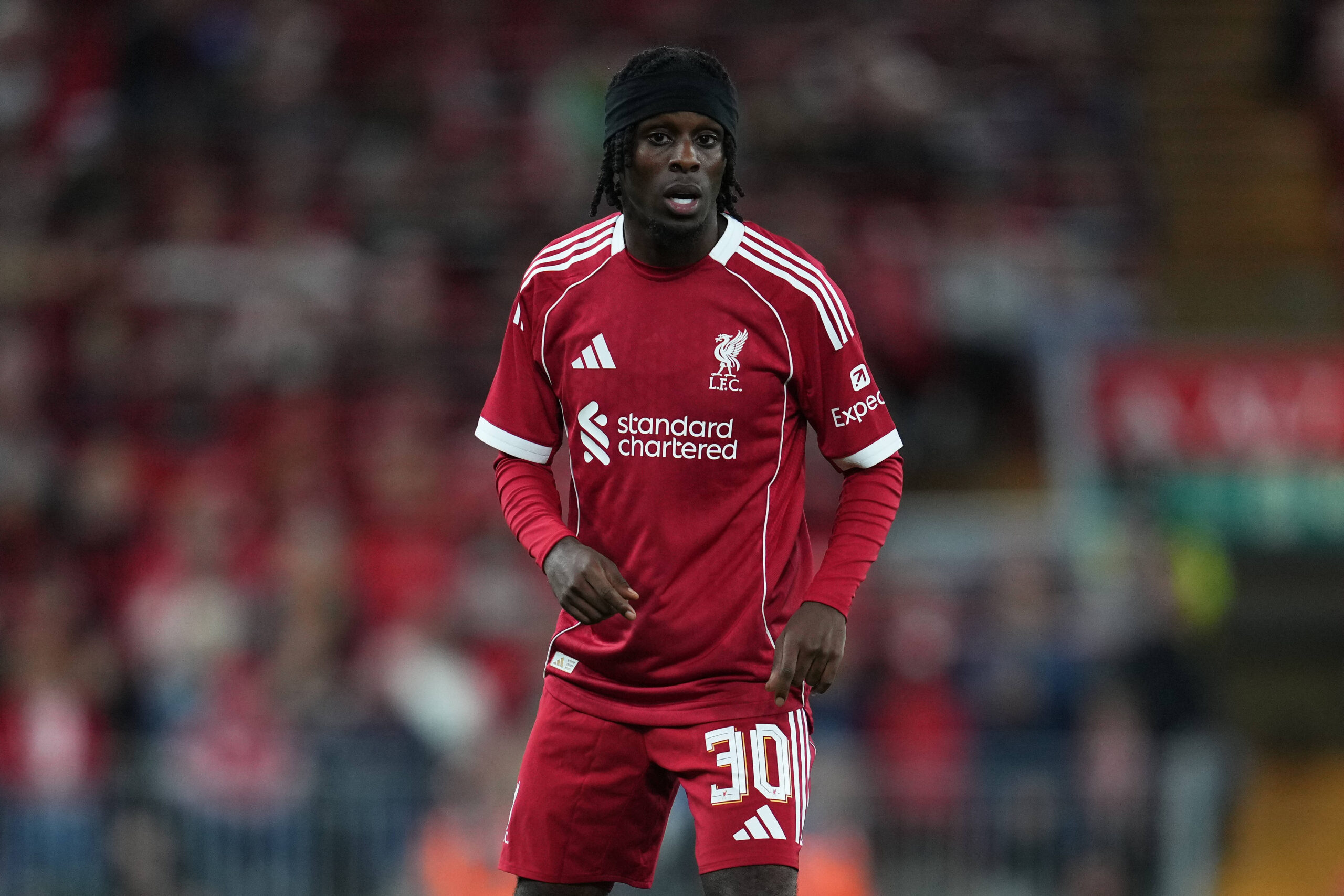
Frimpong Absence Altered Attacking Blueprint
Slot has consistently emphasised speed as a cornerstone of his project. Liverpool’s summer recruitment focused on injecting urgency into the frontline, stretching compact defences and unsettling structured back lines. Yet circumstances have frustrated those intentions.
“Jeremie has shown every time he comes in that when you face low blocks, how important pace is,” Slot explained. “I can tell you, the moment you don’t face low blocks and the moment you face teams who (line up) further away from goal, then pace becomes probably even more important.”
There is clarity in that statement. Modern Premier League football rewards verticality. Teams compress space, forcing opponents to improvise. Without Frimpong’s explosive runs down the right, Liverpool have often relied on patience rather than penetration.
Slot broadened the theme beyond his own squad. “Pace in modern football, apart from being really strong at set-pieces, is crucial. Not that I needed it because I knew it, but Paris Saint-Germain were a great example (last season) of pace when it comes to the forwards – to win the Champions League from open play and be creative.”
In other words, pace is not luxury; it is leverage.
Slot Perspective on Squad Progress
Despite the setbacks, Slot insists progress is evident. Results support that argument: just two defeats in 21 matches suggests structure has replaced uncertainty. Yet he cannot escape the thought of what might have been with a fully fit squad.
“We thought, I thought, that was something we could add to this team and what we’ve tried to do. But unfortunately we’ve only been able to use one player (we signed) who has a lot of pace in our front three and that is Hugo (Ekitike).”
The frustration is plain. Alexander Isak has struggled with fitness. Frimpong has managed only 20 appearances. What was meant to be a collective surge of speed became a solitary sprint.
“Alex (Isak) has been mainly injured, and Jeremie hasn’t played a lot of minutes in the Premier League. That’s why I always keep on saying that you see progress with us but what if all these players are fit? This club is in a very good place because we signed so many good players in the summer.”
Slot’s argument rests on potential fulfilled rather than promise unkept. Recruitment, he suggests, was sound. Availability was not.
Wolves Challenge Shapes Season Narrative
Wolves arrive with renewed confidence, four defeats in 13 after a dire run earlier in the campaign. Liverpool cannot afford complacency. A three-goal victory could temporarily elevate them to third, intensifying the Champions League race.
Frimpong’s December display against Wolves, where he assisted Ryan Gravenberch, demonstrated the value of wide dynamism. Even brief contributions tilt matches. Even fleeting bursts recalibrate defensive plans.
Liverpool’s campaign has not been linear. There was a torrid autumn, inconsistency, murmurs of fragility. Yet Slot believes the squad deserve recognition for enduring.
“Maybe it is something we didn’t want when we started the season, but to play for the position we have to play for now I think it’s maybe a compliment to the players,” he said.
“Taking into account all the things that have happened, I have to compliment them for the fact that they stayed fit.
“Most of them constantly stay fit, because I’ve said a few times already that when things go against you or things don’t go that well and you are losing, usually you see teams building up their injury record a lot because that’s how the mental part plays a part in football, in staying fit.
“That is a compliment to our performance staff and to our players, that we could have kept them, apart from the long-term injuries, fit and able to perform, which we did not with the best consistency we could, but still in a way that we can now compete for the things we want to compete for.”
There is grit in that assessment. Slot does not deny imperfection. He acknowledges impermanence. But he sees resilience.
Frimpong’s return, therefore, is more than tactical adjustment. It symbolises momentum reclaimed. For Slot, for Liverpool, and for a season still balanced between ambition and opportunity, pace may yet prove decisive.